
Since its inception in 2008, the Indian Premier League has evolved beyond expectations. What began as an ambitious T20 event has transformed into one of the most influential sporting and commercial entities in global cricket. Nevertheless, the usual scheduling from March to May is currently under scrutiny, particularly due to soaring summer heat, international cricket schedules, and the league’s expanding commercial aspirations.
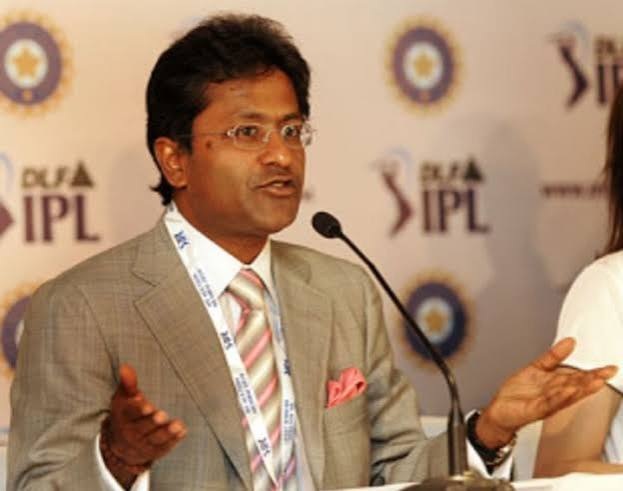
Former IPL chairman and originator Lalit Modi has again posed a significant question regarding the future of the tournament. Is it advisable for the IPL to maintain its usual calendar, or should the Board of Control for Cricket in India (BCCI) examine an entirely new schedule?
In a recent comment made on November 9, 2026, Modi proposed that the league ought to seriously consider initiating in January or implementing a thoughtfully designed October to April timetable. His remarks have sparked a renewed dialogue concerning the prospective trajectory of Indian franchise cricket.
A particularly engaging aspect of his reasoning was his analogy to Bollywood. Modi reminisced about how the entertainment sector initially perceived the IPL as a rival but eventually altered its schedules to accommodate the tournament.
His point was clear: the IPL has gained sufficient strength to shape the broader cricket timetable rather than perpetually modifying itself to fit around pre-existing schedules.
What Did Lalit Modi Express Regarding the IPL Schedule?
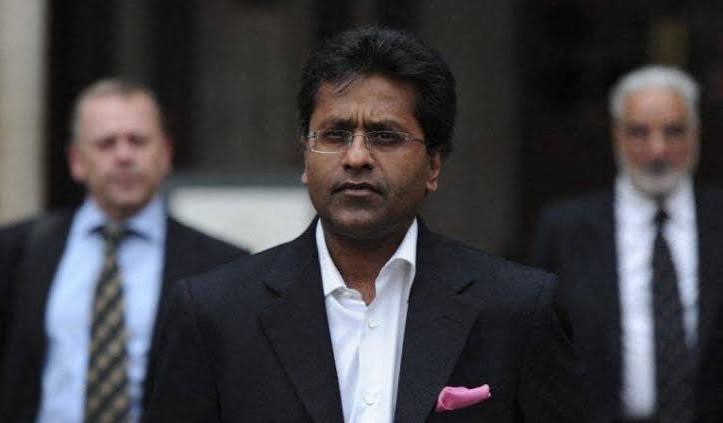
Lalit Modi thinks the IPL has matured to a point where its administrators ought to rethink the usual tournament timeframe. He believes the competition has cultivated its own identity, audience, and commercial viability.
In his social media post from November 9, he contended that the IPL does not require the International Cricket Council (ICC) to allocate a specific window for it, as the tournament is managed by the BCCI.
He asserts that the Indian board must possess the confidence to establish the competition’s timetable while collaborating with other cricket boards on international obligations and the availability of players from abroad.
Modi proposed two potential scheduling options:
- January launch: Adjusting the start of the IPL to January rather than the customary March-April frame.
- October to April timeframe: Considering a longer, well-structured competition period within these months.
These suggestions remain proposals and do not indicate confirmed changes to the IPL schedule. Any adjustments would necessitate thorough discussions with the BCCI, international cricket boards, franchises, and athletes.
In Modi’s view, the goal should not merely be to increase the number of matches. The emphasis must be on enhancing the overall competition, ensuring better playing conditions, and establishing sustainable commercial opportunities.
His argument has revived the discussion surrounding Lalit Modi’s IPL Schedule Change.
What Motivates Lalit Modi to Advocate for a January Start for the IPL?
The primary motivation behind Modi’s recommendation is the growing challenges posed by weather conditions during India’s summer cricketing period.
The IPL generally occurs from March to May, with some seasons continuing into June. Many Indian cities face extremely elevated temperatures during this time.
Players frequently endure extensive periods on the pitch, while fans attending evening games may encounter less than ideal conditions.
1. Relief From April-May Summer Heat
The summer heat has become a significant factor for cricket event organizers.
Despite most IPL games starting in the evening, the heat accumulated throughout the day can impact the playing surface and the comfort levels of players, officials, and fans.
Hosting a tournament in January could provide more pleasant conditions in numerous Indian cities. Cooler evenings would enhance the stadium experience and might make attending matches more appealing for families.
Nevertheless, weather conditions in January are not uniform across India. Northern locations might face fog and chill, whereas other areas could experience various weather difficulties.
As such, altering the schedule would necessitate careful venue choice rather than just shifting all events to January.
2. Better Experience for Stadium Spectators
The IPL significantly relies on its fan base. Attendance at stadiums, TV viewership, and online interaction are all key components of its commercial viability.
A pleasant experience at the stadium can motivate more families to participate in matches.
Relocating certain fixtures to cooler seasons could foster a more inviting atmosphere for spectators. It could also create chances to schedule games at varied times throughout the day.
However, the BCCI would need to take into account academic calendars, work schedules, travel logistics, and local climate conditions before committing to any new tournament timeline.
3. Long-Term Commercial Opportunities
Another key reason supporting Modi’s viewpoint is the financial growth potential of the league.
The IPL has positioned itself as a significant commercial entity, attracting broadcasters, sponsors, advertisers, franchises, and global players.
A modified schedule could open up new broadcasting prospects and aid the organizers in distributing fixtures more efficiently.
For instance, an extended season might allow the league to avoid scheduling numerous matches too closely together. Broadcasters could also benefit from more consistent game timings and a better-structured timetable.
This aspect is a crucial part of Lalit Modi’s overarching IPL Schedule Change recommendation, though any financial gains would rely on actual broadcasting demand, sponsorship deals, and operational expenses.
‘Bollywood Adjusted to IPL’: Why His Statement Is Important
One of the most discussed elements of Modi’s remarks was his mention of Bollywood.
When the IPL debuted in 2008, the Indian entertainment sector was already vying for TV audiences and public interest. A new cricket league featuring international stars, franchise rivalries, and prime-time matches posed a significant challenge.
Modi stated that the entertainment industry initially thought it could rival the IPL by sticking to its existing release and broadcasting timetables.
However, the league swiftly drew in a substantial viewership.
Modi noted that film releases were delayed, television schedules were altered, and entertainment businesses ultimately had to rethink their programming strategies.
His main point was that the IPL did not request a special time frame from Bollywood. Instead, Bollywood adapted to the tournament’s rising popularity.
He believes the same level of confidence should now govern the IPL’s interactions with the international cricket timeline.
This comparison is noteworthy as it illustrates how a successful sports entity can have an impact on other sectors.
However, cricket carries extra obligations that cannot be directly contrasted with movie launches. Global cricket encompasses national squads, agreements between countries, ICC events, the workload of players, and local leagues.
Hence, the BCCI would require support from the broader cricket community prior to implementing such a major alteration.
Can the BCCI Truly Transition IPL to January?
This is likely the most pressing question following Modi’s remarks.
The BCCI oversees the IPL and holds substantial authority over cricket at the domestic level in India. Nevertheless, hosting the tournament in January would entail more than merely adjusting a few dates.
One of the significant obstacles is the commitments of international cricket.
As reported by Gulf News on November 9, India is set to compete against Zimbabwe in early January 2027, followed by a five-match Test series with Australia from January 21 to March 3, 2027. These obligations may complicate the feasibility of an immediate start in January.
International Cricket Schedule May Cause Issues
India frequently participates in bilateral series and ICC events throughout the year.
If the IPL kicks off in January, the BCCI will need to find a way to fit in international games without putting undue strain on the players.
There are various key factors to take into account:
- The integrity of India’s international schedule should be safeguarded.
- Availability and clearance from their respective boards are necessary for overseas players.
- Sufficient space must be allocated for Test cricket within the calendar.
- Players require enough recovery time between tournaments.
- Ongoing domestic events must continue to offer chances for budding Indian cricketers.
These aspects complicate the possibility of a January launch, despite the IPL’s commercial significance.
Foreign Player Engagement
International athletes represent a major draw for the IPL.
Franchises heavily invest in foreign talent, and fans enjoy witnessing top global cricketers play alongside Indian luminaries.
However, national boards dictate when their contracted players are available for international duties.
A new timetable could lead to conflicts with international tours and other domestic T20 leagues.
For instance, a player may find themselves torn between national responsibilities and franchise commitments if their schedules overlap.
That scenario could lead to challenges for franchises and might impact the overall quality of the tournament.
Thus, Modi’s suggestion necessitates collaboration instead of being a unilateral decision by the BCCI.
October-April Schedule: A Different Option to a January Launch
Interestingly, Modi’s suggestion does not just revolve around a January start.
He has also indicated the need to look into the time frame from October to the end of April to spot the ideal slot for the IPL.
While discussing with Cricbuzz, he mentioned that January was a specific starting option within a broader planning window that extends from October to April. He clarified that he did not advocate for an unbroken seven months of IPL matches.
This clarification is crucial as a longer planning period could allow for greater flexibility.
Rather than cramming every game into a limited timeframe, organizers could space matches around established international cricket windows.
Could an Extended Tournament Enhance Competitive Balance?
A longer season could yield various benefits.
Teams might gain more recovery time between crucial matches. Players could also enjoy improved preparation periods, and broadcasters could take advantage of a more reliable match schedule.
Additionally, it would allow the IPL to integrate more matches if the competition were to grow in the future.
However, an extended season would present its own set of challenges, including:
- Availability of venues
- Operational costs
- Player contracts
- Competition with other sporting events
The BCCI must evaluate if the added commercial benefit justifies the heightened organizational requirements.
Lalit Modi Also Opposes Revival of Champions League T20
In addition to addressing the IPL schedule, Modi expressed his thoughts on reinstating the Champions League T20.
This tournament was initially established to unite successful domestic T20 teams from various nations. It offered franchise teams the chance to engage in international competition.
Nonetheless, the contest was terminated following its 2014 season.
There have been talks regarding its revival, especially with the growth of franchise cricket in numerous countries.
Modi is not in favor of its reinstatement.
What Are Modi’s Reasons for Opposition?
A primary issue he raises relates to franchise ownership.
Numerous business entities that own IPL franchises have ventured into international T20 events. These ownership affiliations might complicate matters if teams from the same ownership groups compete in another global tournament.
There are also financial factors to consider.
A new tournament would have to draw in broadcasters, sponsors, players, and fans. Modi believes these resources should be instead focused on enhancing the IPL.
He contends that cricket does not need another franchise league when a pre-existing tournament already holds substantial commercial worth.
His stance aligns with his broader vision regarding the Lalit Modi IPL Schedule Change proposal: to bolster the current offering instead of introducing more competitions.
Could the IPL Increase to 94 Matches?
Another intriguing element of Modi’s overall vision involves the potential increase of the IPL to 94 matches.
Presently, the ten-team format consists of 74 matches, including playoffs.
Modi has proposed a complete home-and-away system where each franchise faces every other team twice.
In his suggested framework:
- Ten franchises would meet nine opponents two times.
- Each team would have both home and away matches against all rivals.
- The league stage would encompass 90 matches.
- Four playoff games would bring the total to 94.
This setup would offer fans more chances to see their favorite franchises compete at home against every opponent.
It could also generate extra commercial opportunities for broadcasters and sponsors.
However, increasing match totals would necessitate a longer tournament duration, greater venue accessibility, and careful management of player workloads.
This is why discussions regarding the proposed expansion and scheduling are closely intertwined.
What Impact Might a New IPL Schedule Have on Franchises?
Any significant adjustment to the calendar would have immediate ramifications for all ten IPL franchises.
Teams construct their strategies around player availability, auction preparations, training schedules, travel logistics, and match timelines.
A January start might compel franchises to modify various aspects of their preparation.
Auction and Team Readiness
The IPL auction represents a crucial event for team owners.
Franchises evaluate players based on their abilities, recent performances, physical fitness, and anticipated availability.
If the competition shifts to a different timeframe, teams might need to re-evaluate their preparation plans and player management approaches.
Travel and Venue Management
The IPL occurs across various cities in India.
A modified timetable would necessitate that organizers verify the availability of stadiums, consider local weather patterns, arrange transportation logistics, and address security needs.
Certain locations might be more appropriate in January, while others could experience fog, rain, or other seasonal challenges.
An effectively structured timetable is crucial to prevent avoidable interruptions.
What Does This Imply for IPL 2027?
The timing of Modi’s statements is notably intriguing as the 2027 edition represents a significant milestone for the tournament.
It will signify the IPL’s 20th season, providing the BCCI with a chance to rethink the league’s future trajectory.
Nonetheless, fans should not presume that the January suggestion has already been approved.
The reports from November 9 pertain to Modi’s proposals, rather than an officially confirmed alteration to the IPL 2027 schedule.
Gulf News indicated that the BCCI was considering advancing the 2027 tournament, with an envisioned timeframe from March 10 to May 15. That differs from adopting a January kickoff.
The international schedule, specifically India’s planned matches against Australia, would further complicate initiating the season in January.
For the time being, the BCCI must assess whether the current setup can be enhanced without compromising international cricket.
Will BCCI Embrace Lalit Modi’s Suggestion?
There is no assurance that the BCCI will embrace Modi’s ideas.
His role as the original chairman lends significant weight to his opinions, yet the ultimate decision rests with the appropriate cricket governing bodies.
The board would have to weigh several key elements prior to altering the IPL calendar.
Firstly, it must scrutinize the international cricket timetable. Secondly, discussions regarding player availability with foreign cricket boards are necessary. Lastly, it must evaluate the financial advantages of shifting the tournament schedule.
The BCCI must also contemplate the repercussions for domestic cricket, the Women’s Premier League, and India’s home international season.
A January start could open avenues, but it might also lead to scheduling conflicts that would be challenging to navigate.
Consequently, the Lalit Modi IPL Schedule Change suggestion is best viewed as a proposal for future planning rather than a declaration of an imminent shift.
Why This Discussion Could Influence the Future of Indian Cricket
The IPL has transformed the financial landscape of professional cricket.
It has opened up avenues for emerging Indian athletes, provided a substantial platform for international stars, and garnered significant interest from commercial stakeholders.
However, its prosperity means that its timing has become increasingly critical to the overall cricket schedule.
Modi’s remarks underscore a dilemma that cricket administrators must eventually confront: how can international cricket, local tournaments, and franchise leagues coexist without overwhelming players?
An updated timetable could be beneficial if it is carefully designed.
Yet, financial expansion should not undermine Test cricket, international obligations, or player well-being.
The BCCI’s challenge will be to achieve a balance between the IPL’s economic power and the long-term needs of both Indian and international cricket.
The conversation surrounding the Lalit Modi IPL Schedule Change may prompt administrators to explore these considerations with greater seriousness.
Final Thoughts
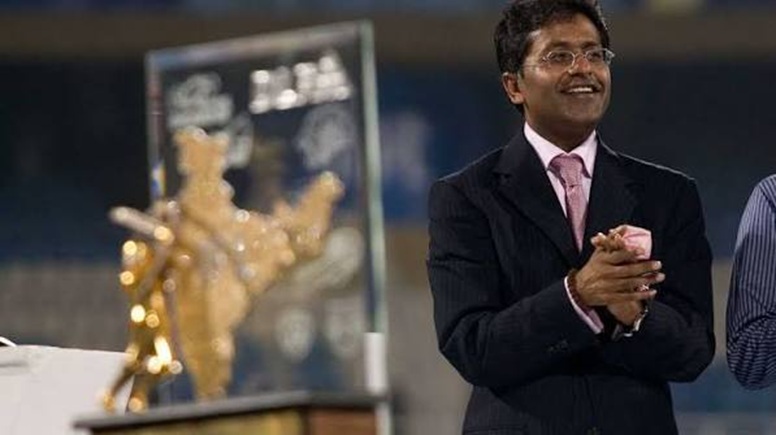
Lalit Modi’s recent remarks have reignited a significant conversation regarding the future direction of the Indian Premier League. His proposal to explore starting in January or adopting an October to April timeframe indicates his view that the league has gained enough influence to dictate its own role in the realm of global cricket.
Furthermore, his reference to Bollywood has garnered interest as it underscores the extent to which the IPL has transformed India’s entertainment and sports sector since its inception in 2008.
Nonetheless, relocating the tournament presents various challenges. Key elements such as:
- International schedules
- The availability of foreign players
- Domestic cricket commitments
- The condition of venues
will all be crucial factors.
The proposal for a change in the IPL timetable put forth by Lalit Modi may not lead to an immediate overhaul, yet it has sparked a vital inquiry for the BCCI: should the IPL maintain its conventional schedule, or is it time to create a new timeline for its forthcoming stage of evolution?
It is evident that the conversation surrounding the future of the IPL is becoming nearly as captivating as the league itself.