
Cricket has given rise to numerous notable rivalries, but certain competitions quietly cultivate a rich history while not receiving significant global focus. The contest between Zimbabwe and New Zealand is one such case. Since their initial official matchup in the early 1990s, both sides have shared unforgettable moments through Test matches, One-Day Internationals (ODIs), and T20 Internationals.
While New Zealand has typically experienced more success, Zimbabwe has delivered several memorable performances that have put the Black Caps under pressure at various times. From exhilarating Test matches in Harare to World Cup encounters and thrilling ODI battles, the narrative between these two countries highlights the advancement of international cricket over the span of more than thirty years.
This article delves into the Zimbabwe versus New Zealand Timeline, emphasizing the significant matches, key historical moments, outstanding individual performances, and the progression of their cricket rivalry from 1992 to 2025.
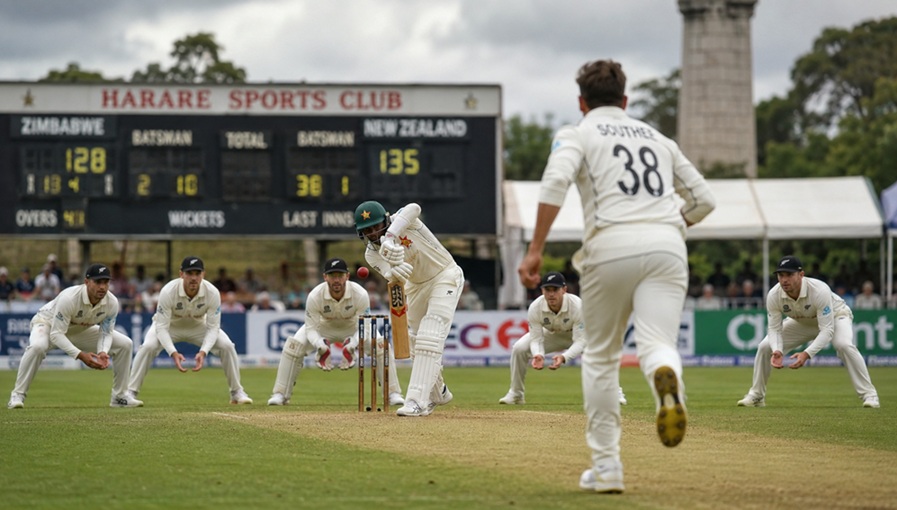
The Beginning of the Rivalry (1992–1993)
Zimbabwe made its entry into Test cricket in 1992 after being awarded Full Member status by the International Cricket Council (ICC). Their initial years were filled with tough challenges against seasoned international teams, including New Zealand.
The first Test series between the two countries unfolded during New Zealand’s tour of Zimbabwe in 1992-93. For Zimbabwe, each match represented a chance to demonstrate their worth among cricket’s top teams.
Despite their lack of experience, Zimbabwe showcased incredible resolve. Their disciplined bowling and careful batting garnered accolades from critics globally, while New Zealand depended on its seasoned lineup to achieve favorable outcomes.
The series laid the groundwork for a rivalry characterized by shared respect rather than animosity. Both sides were still working on establishing their international presence, turning every match into a valuable learning opportunity.
Building Competitive Cricket During the 1990s
In the 1990s, Zimbabwe progressively enhanced its status as a competitive international team. Talents like Andy Flower, Grant Flower, Heath Streak, Alistair Campbell, and Guy Whittall played pivotal roles in evolving Zimbabwe into a side capable of overcoming established rivals.
Simultaneously, New Zealand kept producing players with solid technical skills who performed well across various conditions. Their well-rounded mix of dependable batsmen and disciplined fast bowlers often created challenges for Zimbabwe.
Numerous ODI series throughout this decade were marked by tightly fought matches where minor partnerships or vital wickets dictated the results.
Key features of these encounters included:
- Strong bowling displays on sluggish Zimbabwean surfaces.
- Extensive batting partnerships from experienced players in the middle order.
- Low-scoring nail-biters concluding in the last overs.
- Steady all-around contributions from both teams.
As both sides developed, each bilateral series became increasingly more competitive.
Zimbabwe’s Rise at the Turn of the Century
The late 1990s and early 2000s showcased Zimbabwe’s peak era in international cricket.
With a mix of seasoned leaders and talented newcomers, Zimbabwe frequently took on formidable opponents. During this time, they achieved several notable wins against New Zealand in limited-overs formats.
Andy Flower emerged as one of the premier wicketkeeper-batsmen globally, while Heath Streak established himself as Zimbabwe’s most dependable fast bowler and captain.
New Zealand responded with athletes like:
- Stephen Fleming
- Nathan Astle
- Chris Cairns
- Daniel Vettori
- Craig McMillan
delivering highly exciting matchups.
The timeline of Zimbabwe versus New Zealand grew more equitable in this period, with Zimbabwe demonstrating the ability to contend in every type of match.
A key aspect of this time was Zimbabwe’s self-assurance when playing at home. The familiar playing surfaces allowed their bowlers to gain an advantage, while seasoned batsmen were adept at interpreting local conditions.
Notable ODI Matches
Most of the encounters between Zimbabwe and New Zealand took place in One-Day Internationals.
Throughout ICC competitions and bilateral matches, various games have become unforgettable due to thrilling finishes and remarkable individual feats.
Zimbabwe typically leaned on solid bowling units and measured batting efforts to take on New Zealand’s seasoned roster.
New Zealand usually responded with:
- Strong opening combinations
- Consistent middle-order support
- Precise fast bowling
- High-quality fielding capabilities
Many games stayed tight until the closing overs, showing that rankings typically did not govern the final results.
World Cup matchups between the two countries held extra importance, as crucial points were on the line during the group phase.
Test Cricket: Resilience and Strategy
Though the two teams have engaged in fewer Test matches than ODIs, their matches in the longest format have yielded numerous unforgettable individual achievements.
Harare Sports Club became a known ground where batsmen often needed to exercise patience to establish significant innings.
New Zealand’s disciplined fast bowling consistently challenged Zimbabwe’s batting order, while Zimbabwe’s spinners often generated chances during the crucial later stages of the games.
Several batsmen scored remarkable centuries in these matchups, showcasing the classic style of Test cricket between the nations.
In contrast to high-scoring games seen in other rivalries, various Zimbabwe-New Zealand Test matches were claimed through steadiness rather than aggressive batting.
Iconic Players Who Shaped the Rivalry
Every enduring cricket rivalry is marked by the players who regularly produced winning performances.
For Zimbabwe, many cricketers gained fame due to their exploits against New Zealand.
Notable names include:
- Andy Flower
- Heath Streak
- Grant Flower
- Tatenda Taibu
- Hamilton Masakadza
These athletes offered Zimbabwe a mix of experience, leadership, and tenacity during challenging periods.
New Zealand also showcased several legendary figures who found success against Zimbabwe, such as:
- Stephen Fleming
- Daniel Vettori
- Chris Cairns
- Brendon McCullum
- Ross Taylor
- Kane Williamson
Each era brought new stories to this intriguing rivalry, ensuring that the battles remained competitive even with changes in player rosters.
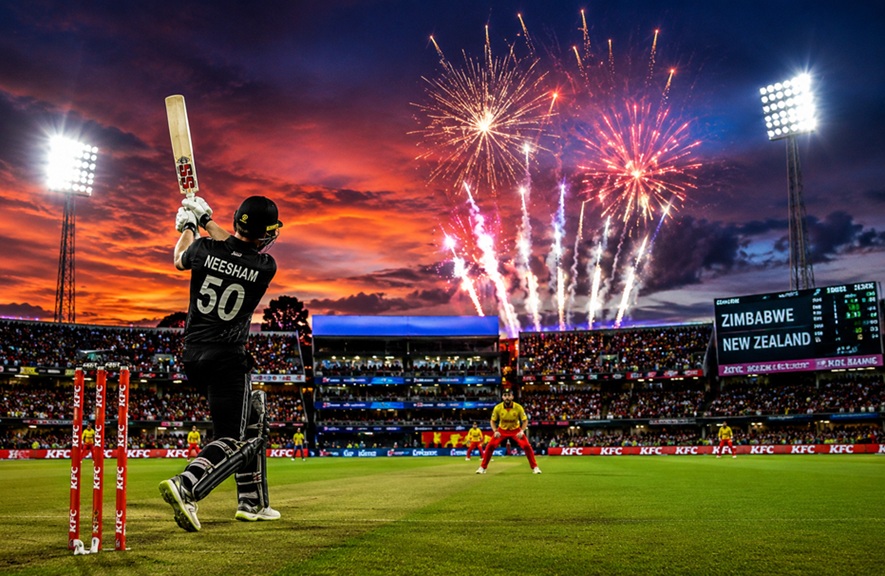
The Modern Era (2005–2015)
In the mid-2000s, notable transformations occurred for both teams. Zimbabwe experienced a challenging period of rebuilding as numerous seasoned players retired or exited from international cricket. Consequently, the team faced difficulties in achieving consistency against stronger rivals, such as New Zealand.
Conversely, New Zealand embarked on one of the most prosperous phases in its cricketing journey. Guided by figures like Daniel Vettori and subsequently Brendon McCullum, the Black Caps embraced a more assertive style of cricket. Their batting became more audacious, while their bowling lineup gained increased depth with a range of pace and spin alternatives.
Even with New Zealand’s rising supremacy, Zimbabwe maintained spirited showings on home turf. Emerging talents accrued significant international exposure, and each series contributed to the groundwork for the team’s future enhancements.
T20 Cricket Brings a New Dimension
The introduction of T20 Internationals added a quicker and less predictable element to the rivalry. With merely 20 overs per team, the momentum could quickly shift within a handful of deliveries, offering Zimbabwe chances to challenge a higher-ranked rival.
New Zealand swiftly adjusted to the challenges of T20 cricket with their explosive batting style, agile fielding, and adaptable bowling partnerships. Zimbabwe leaned on disciplined bowling, clever variations, and bold batting from developing players.
Numerous T20 matchups remained intensely competitive, even with New Zealand as the favored side, demonstrating that the shortest format often narrows the disparity between teams.
The timeline of Zimbabwe versus New Zealand broadened beyond traditional Test and ODI cricket, highlighting thrilling competitions across all three international formats.
New Zealand’s Continued Success (2016–2025)
Over the past decade, New Zealand carved out a reputation as one of the most reliable cricket teams globally. Their frequent presence in ICC tournament finals showcased their disciplined methodology, strong leadership, and cohesive team culture.
Notable players like:
- Kane Williamson
- Trent Boult
- Tim Southee
- Devon Conway
- Daryl Mitchell
- Glenn Phillips
- Mitchell Santner
propelled New Zealand forward with remarkable performances across different formats.
Zimbabwe, on the other hand, continued its rebuilding process with a youthful squad filled with skilled players eager to revive the nation’s cricketing reputation. Players such as:
- Sikandar Raza
- Sean Williams
- Blessing Muzarabani
- Craig Ervine
- Ryan Burl
delivered several notable performances, emphasizing Zimbabwe’s improving competitiveness.
Despite New Zealand’s dominant victories in recent encounters, Zimbabwe displayed consistent progress and occasionally took games to thrilling conclusions.
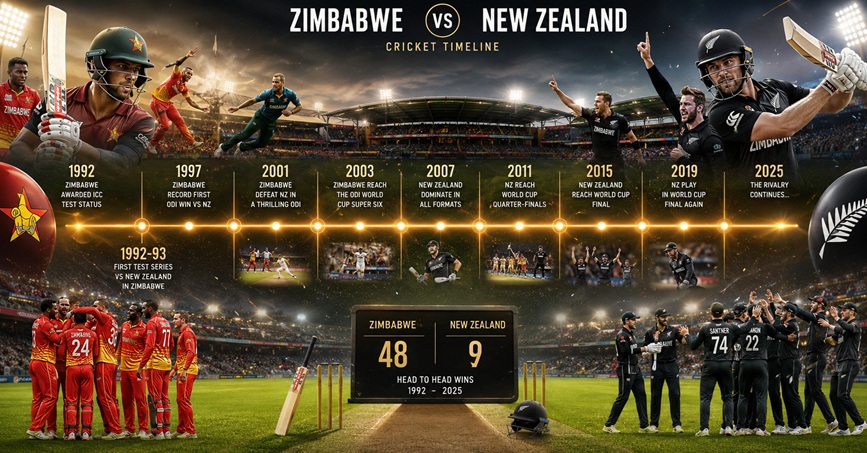
Head-to-Head Record (1992–2025)
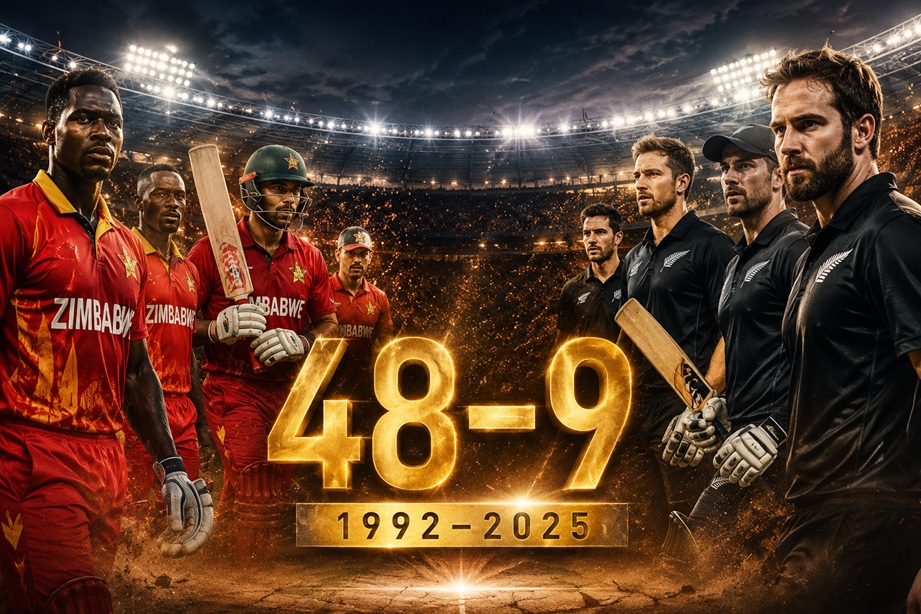
At the conclusion of the 2025 cricket season, the overall statistics clearly indicated New Zealand’s dominance within international cricket.
The widely recognized overall tally was:
- New Zealand Wins: 48
- Zimbabwe Wins: 9
- Draws/No Results: Other matches varied based on format and series
While the statistics favor New Zealand, they do not entirely reflect how competitive many matches have truly been. Zimbabwe has continuously challenged the Black Caps, particularly on home soil, where slower pitches have contributed to a more balanced encounter.
Several games were decided by slim margins, reminding fans that numbers alone cannot convey the full narrative of this rivalry.
Greatest Individual Performances
Throughout three decades, numerous players delivered unforgettable performances.
For Zimbabwe:
- Andy Flower executed several innings that were crucial for saving or winning matches.
- Heath Streak consistently posed challenges to New Zealand’s batting lineup with his disciplined fast bowling.
- Sikandar Raza became a reliable all-rounder in contemporary cricket.
- Sean Williams played significant innings and formed critical partnerships.
For New Zealand:
- Stephen Fleming delivered graceful innings that defined matches.
- Brendon McCullum transformed games with his aggressive batting style.
- Kane Williamson exhibited outstanding reliability across various formats.
- Daniel Vettori frequently impacted games with both his batting and bowling.
- Trent Boult and Tim Southee established one of the most trustworthy pace bowling pairs in the realm of international cricket.
These athletes were instrumental in creating numerous unforgettable moments and enhancing the quality of matches between the two teams.
How the Rivalry Has Evolved
A fascinating element of this rivalry is the progression of both teams over time.
During the early 1990s, both sides primarily depended on patience and classic Test-match methods. With the rise of limited-overs cricket, the dynamics of their matches shifted through aggressive batting, agile fielding, and creative bowling tactics.
New Zealand adapted remarkably well to the changes in cricket, rising to become one of the most esteemed teams globally in all formats.
Zimbabwe went through various phases of transition yet maintained its fighting spirit. Each generation has produced athletes who could stand up to more formidable opponents, ensuring that the rivalry remains significant whenever these teams compete.
Conclusion
The narrative of Zimbabwe and New Zealand encompasses far more than mere victories and defeats. It chronicles the experiences of two cricketing nations that have matured through distinct challenges while nurturing a competitive relationship characterized by respect.
From Zimbabwe’s entry into Test cricket in 1992 to the current era of T20 internationals, every series has added another chapter to their shared narrative. Iconic players, thrilling finishes, unforgettable centuries, and remarkable bowling performances have all played a part in shaping this competition for over thirty years.
While New Zealand’s overall record of 48 wins compared to Zimbabwe’s 9 emphasizes their steady performance, Zimbabwe’s notable displays have kept the rivalry engaging for cricket enthusiasts worldwide. As new generations continue to emerge, upcoming matches promise fresh achievements and new memories.
The timeline of Zimbabwe vs New Zealand serves as an exceptional illustration of how international cricket is continuously evolving, while still maintaining the traditions, competitiveness, and spirit that render the sport one of the most cherished in the world.
“`html