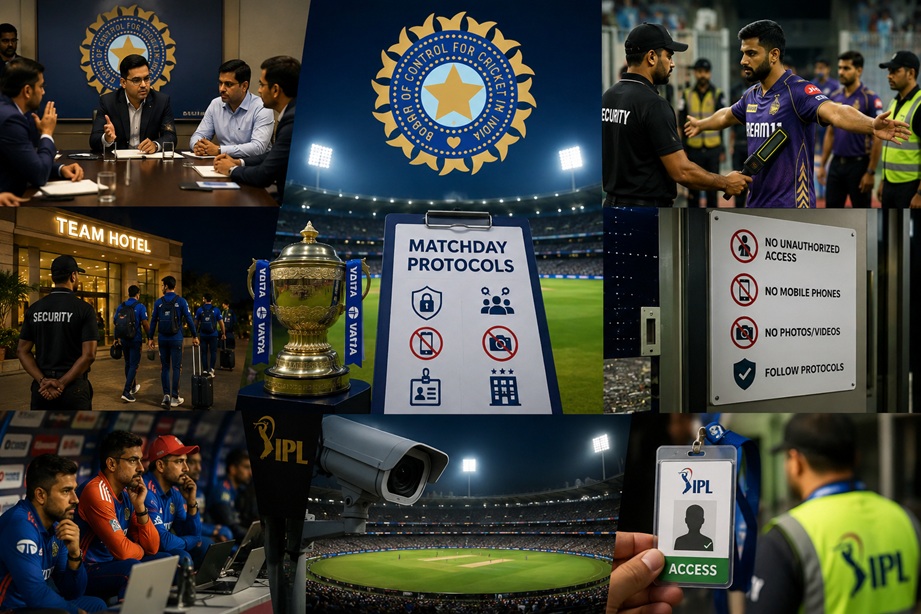

The 2026 iteration of the Indian Premier League has evolved into a spectacle that encompasses much more than just thrilling sixes, nail-biting finishes, and playoff competitions. Behind the scenes, the Board of Control for Cricket in India has stealthily implemented a stricter operational framework that is altering the dynamics of franchise operations during matches. The recently revised BCCI matchday protocols have generated considerable discussion throughout the cricket community, as teams, athletes, support personnel, broadcasters, and even family members are now subject to unprecedented restrictions.
This initiative was prompted by several issues related to security breaches, unauthorized entry, violations of anti-corruption protocols, and various behavioral incidents noted during the current IPL season. Reports from multiple Indian news outlets indicated that the cricket governing body detected inconsistencies concerning team accommodations, restricted access areas in dressing rooms, dugout protocols, and social media activities.
Historically, the IPL maintained strict regulations behind the curtains; however, recent events indicate that the controlling authority feels these guidelines were not being consistently adhered to. Consequently, franchises are now facing unannounced inspections, heightened surveillance, stricter monitoring of accreditation, and new limits on communication.
These changes are not merely short-term responses. Numerous experts contend that they might fundamentally alter the functioning of professional T20 leagues in India on a long-term basis.
Why the Board Suddenly Tightened Rules
The introduction of these regulations was not coincidental. Reports suggest that officials within the Board of Control for Cricket in India noted repeated breaches of anti-corruption protocols during IPL 2026.
Some of the reported infractions included:
- Unauthorized persons gaining entry to team accommodations
- Non-team individuals accessing players’ rooms
- Team representatives engaging with players in restricted areas
- Improper mobile phone use near dugouts
- Concerns about social media presence and excessive online exposure
- Security risks regarding potential honey-trap scenarios
Authorities deemed these occurrences significant enough to deliver formal warnings to all franchises. The board further highlighted that any subsequent violations could lead to disciplinary measures, suspensions, financial penalties, or exclusion from tournament participation.
Thus, the BCCI matchday protocol modifications are part of a broader initiative to maintain the integrity of the event while safeguarding players and staff from potential legal or security threats.
New Restrictions Around Team Hotels
One of the most notable alterations pertains to regulations concerning hotel access. Previously, friends, acquaintances, and even members of the extended entourage often roamed freely within team hotels. That level of flexibility has now been significantly curtailed.
According to the updated policies, outsiders are prohibited from entering players’ rooms without consent from team management. Reports indicate that the IPL Operations Team may also carry out unexpected checks to ensure adherence.
This measure underscores rising apprehensions about corruption risks in high-stakes sports events.
Guest Movement Is Being Monitored
Franchises are being instructed to maintain thorough documentation of:
- Authorized guest visits
- Movement logs within hotels
- Players’ exits from team locations
- Leisure outings
- Security clearances
Players and support staff are also required to notify assigned security personnel prior to departing from hotels.
While some fans might perceive these measures as overly stringent, officials assert that they are essential given the vast commercial significance associated with the IPL.
The adjustments to the BCCI matchday guidelines have transformed team hotels into strictly monitored operational areas instead of relaxed sport hospitality venues.
Anti-Corruption Concerns Behind the Decision
The IPL is among the most lucrative T20 leagues in the world of cricket. Its immense popularity naturally draws in betting groups, illicit tactics, and risks of corruption.
Historically, the Anti-Corruption Unit has had a robust presence throughout the tournaments, but current circumstances imply that officials believed existing measures were becoming too lenient.
Multiple reports have emerged indicating that unauthorized individuals were frequently spotted mingling with team members and accessing restricted zones.
From the board’s viewpoint, even interactions that seem benign can pose risks.
Social Media Became a Growing Problem
A significant factor contributing to these concerns seems to be the surge of behind-the-scenes material circulating online. Contemporary franchises almost daily generate reels, vlogs, travel logs, celebrations in the changing room, and footage from hotels.
Although such media increases fan interaction, organizers worry it could inadvertently reveal:
- Player routines
- Hotel venues
- Internal conversations
- Team tactics
- Restricted entry points
- Personal engagements
Recent reports have indicated that the board cautioned players, broadcasters, officials, and even relatives against excessive social media documentation around teams.
Thus, the alterations in BCCI matchday protocols represent an effort to balance fan engagement with operational safety.
Dugout Rules Are Becoming Stricter
The dugout area is always regarded as sensitive as it allows close interaction with tactical discussions and immediate team communications.
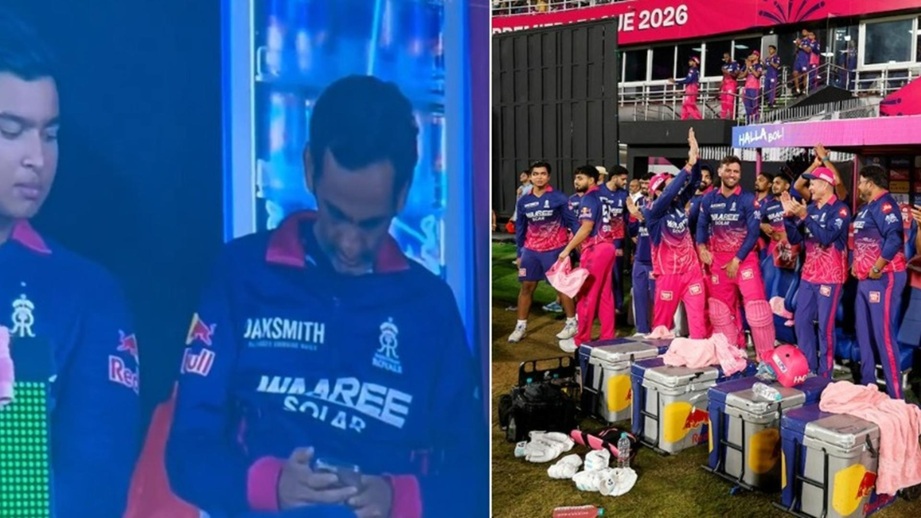
This season saw controversy when a Rajasthan Royals official faced penalties for utilizing a mobile device near the dugout during a match.
This incident underscored how even trivial breaches of protocol can escalate anti-corruption worries.
Why Mobile Usage Matters
Cricket authorities keep a close watch on communication devices because illegal betting organizations frequently depend on timely insider information.
A single unauthorized call or message during a game can arouse suspicion, irrespective of whether any misconduct occurred.
Consequently, the recent regulations stress:
- Controlled usage of electronic devices
- Restricted communication areas
- Monitoring support staff conduct
- Limited interaction in tactical zones
The BCCI matchday protocol changes aim to eliminate every conceivable loophole during live matches.
Franchise Owners Also Face Limitations
An unexpected aspect of the new advisory is that even franchise owners are reportedly now subject to restrictions regarding player interactions during matches.
According to several reports, owners and high-ranking officials were cautioned against entering areas where player access is limited according to IPL guidelines.
This suggests the board desires uniform enforcement, independent of status or commercial clout.
In previous IPL seasons, cameras often captured owners reveling in dugouts, conversing with players during crucial moments, or entering locker rooms shortly after matches.
While such instances produced emotional television moments, organizers now seem more focused on maintaining professional boundaries.
The BCCI matchday protocol adjustments indicate a move toward a more corporate and compliance-focused tournament framework.
Security Risks Beyond Match-Fixing
Interestingly, the latest advisories extend beyond just betting-related issues.
Reports indicate that officials specifically warned franchises about risks associated with “targeted compromise” and honey-trap scenarios.
Such terminology reflects broader fears surrounding:
- Reputational harm
- Legal allegations
- Attempts at blackmail
- Invasions of privacy
- Leaks of sensitive information
Modern athletes find themselves in a setting where every action can be shared publicly in an instant due to social media.
For cricket officials, even mere speculation can harm both the athlete involved and the league’s commercial reputation.
The Pressure on Young Cricketers
The IPL features many young national players who unexpectedly gain fame overnight.
Many of these individuals are still trying to navigate the challenges of notoriety, wealth, public examination, and online visibility. Without adequate support, they may become susceptible to exploitation.
By enhancing operational management, the board likely aims to prevent problematic situations from developing into scandals.
Consequently, the alterations to the BCCI matchday protocols are as much about safeguarding players as they are about overseeing the tournament.
Fans Are Divided Over the New Rules
Reactions from cricket enthusiasts have been predictably varied.
Certain fans feel that more stringent regulations are essential because the IPL has evolved into a billion-dollar sports entity that cannot afford scandals around integrity.
Conversely, some believe the event runs the risk of becoming too regulated and impersonal.
Critics argue that excessive rules might:
- Diminish player autonomy
- Restrict fan engagement
- Impact behind-the-scenes content
- Make the league feel less intimate
- Create unnecessary strain on teams
Nevertheless, proponents of the board’s decision highlight that established global sports leagues already adhere to similar compliance protocols.
Leagues such as the NBA, EPL, and international football competitions maintain stringent accreditation, security, and access control measures.
The modifications to the BCCI matchday protocols may simply reflect cricket’s alignment with contemporary sports governance practices.
How Teams Are Adapting Internally
Franchises are now reportedly holding internal sessions to ensure that players and support staff are aware of the updated compliance requirements.
Team managers have become increasingly significant figures as they oversee:
- Security management
- Visitor approvals
- Travel supervision
- Communication with integrity officials
- Keeping movement records
Several teams are also thought to be reassessing their strategies for producing content aimed at social media.
Content Teams Face New Challenges
IPL teams highly rely on digital interaction.
Instagram reels, practice footage, humorous locker-room videos, and celebration highlights attract millions of viewers throughout the season.
Should access become more limited, those creating content in collaboration with teams may have to adjust their methods of operation.
Rather than having spontaneous behind-the-scenes access, future content might become more organized and subject to pre-approval.
This could lessen authenticity but enhance safety.
Thus, the modifications to the BCCI matchday protocols are impacting not only cricket operations but also sports entertainment marketing strategies.
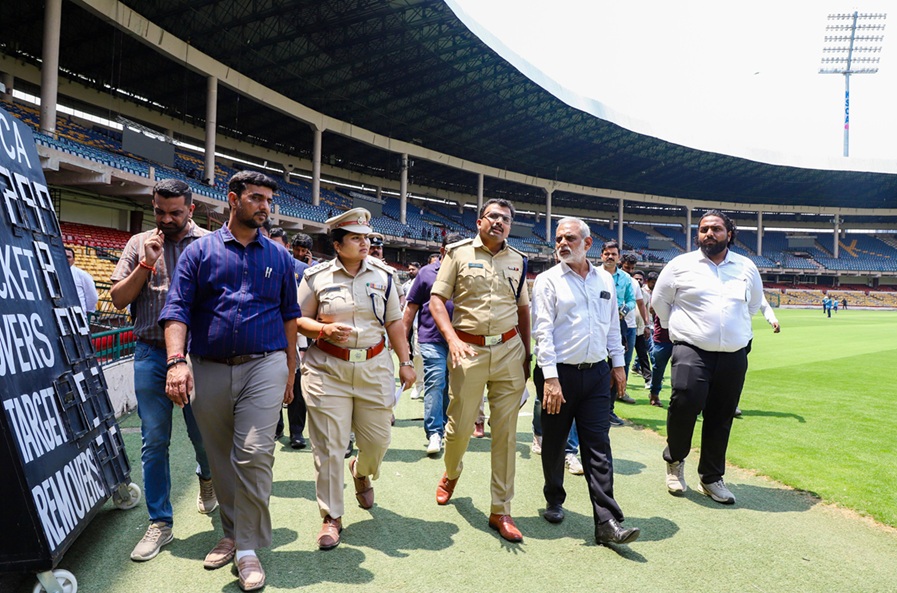
Stadium Safety Has Also Become a Priority
The recent initiative for stricter oversight goes beyond just hotels and locker rooms.
Discussions about safety concerning stadium structures have also come to the forefront this year.
Earlier reports expressed concerns about emergency exits and safety measures at specific venues.
Furthermore, logistical issues purportedly influenced the planning for IPL playoffs and the final.
These developments indicate that administrators are adopting a more comprehensive approach to operational management.
More Accountability Across the Tournament
Traditionally, the administration of cricket has heavily emphasized on-field behavior while operational systems received minimal public scrutiny.
That equilibrium seems to be shifting.
Current tournaments now encompass:
- Digital surveillance
- Security oversight
- Crowd management
- Compliance record-keeping
- Reputation safeguarding
- Concerns over data privacy
The changes to the BCCI matchday protocols align with this broader shift.
Could These Regulations Extend Beyond IPL 2026?
It is highly likely that these guidelines will persist well beyond the conclusion of the current season.
Once sports organizations implement stricter compliance frameworks, they seldom withdraw them entirely.
If the governing body is convinced that enhanced operational oversight bolsters tournament safety, future IPL editions might incorporate even more advanced surveillance methods.
Long-term advancements might entail:
- Biometric entry systems
- Broadened CCTV monitoring
- Instantaneous credential tracking
- Limited digital recording areas
- Centralized guest verification systems
While these initiatives may appear excessive now, elite international sporting events are increasingly dependent on such technologies.
Thus, the modifications to BCCI’s matchday procedures could signify the onset of a significant operational transformation within Indian cricket.
Players Will Need to Adapt Swiftly
For players, conforming to these regulations could become an essential aspect of their professional duties.
Contemporary cricket already necessitates careful handling of media relations, sponsorship obligations, anti-corruption training, and strict travel itineraries.
Introducing more rigorous security protocols simply amplifies that professional burden.
Established international players might adjust easily since they already function within stringent international rules.
Conversely, younger domestic cricketers might initially feel overwhelmed by the new atmosphere.
Franchises will probably have to supplement training on:
- Digital behavior
- Personal safety
- Public interactions
- Rules for restricted areas
- Communication procedures
The alterations to the BCCI matchday protocols are gradually changing the definition of professionalism within the IPL framework.
The Broader Message Behind the Enforcement
Aside from particular regulations, the board seems focused on conveying a more significant message.
The IPL has evolved beyond merely being a cricket tournament; it now ranks among India’s most commercially significant athletic assets with worldwide exposure.
Any scandal relating to corruption, wrongdoing, or security failures could influence:
- Broadcasting value
- Sponsorship trust
- Global reputation
- Fan confidence
- Franchise reliability
This context explains why administrators react strongly to even comparatively minor violations.
From the board’s viewpoint, taking preventive action is more effective than managing damage later.
The changes to BCCI matchday protocols illustrate just how seriously cricket authorities regard operational discipline in today’s T20 landscape.
Conclusion
The IPL has always adapted to the changing landscape. Previous seasons have reshaped player drafts, broadcasting formats, analytics, fitness regimes, and fan interaction. IPL 2026 could be remembered as the season that established strict operational discipline.
What seemed like isolated warnings has rapidly transformed into a concerted effort toward enhanced control, fortified security, and rigorous anti-corruption measures.
With restrictions on hotel access, dugout oversight, and regulations surrounding social media, the board clearly aims to foster a safer and more professionally managed tournament setting.
Some fans may resent these heightened limitations, especially if they curtail spontaneous player engagement and behind-the-scenes experiences. Nevertheless, administrators assert that these measures are crucial for upholding the league’s long-term integrity.
Whether fans support or oppose these changes, one thing is clear: the adjustments to the BCCI matchday protocols have already transformed how franchises, players, and officials function during IPL 2026, and their influence is likely to continue affecting Indian cricket for years ahead.