
Indian cricket has always thrived on talent, but what separates great teams from dominant teams is depth. The latest ODI series against Afghanistan offered another reminder that India is building a squad capable of competing across formats, conditions, and tournaments.
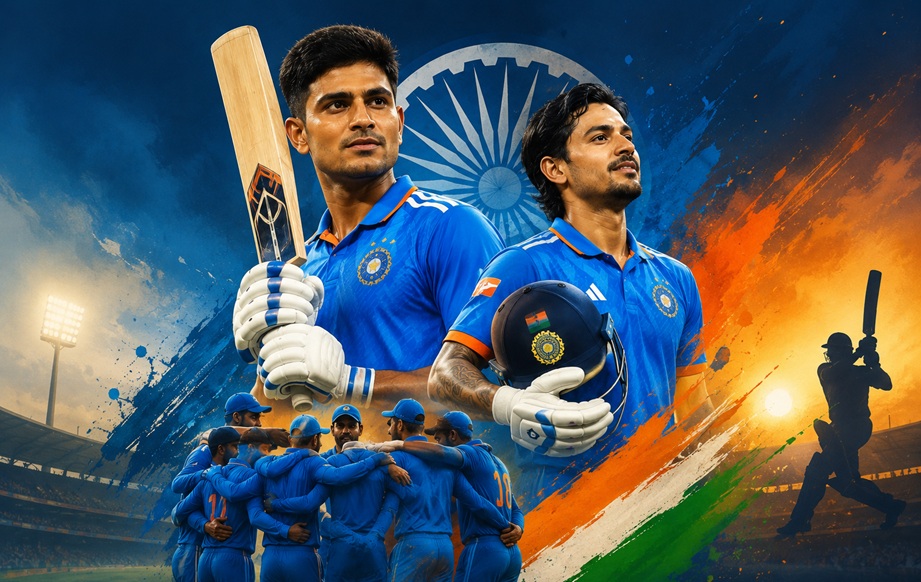
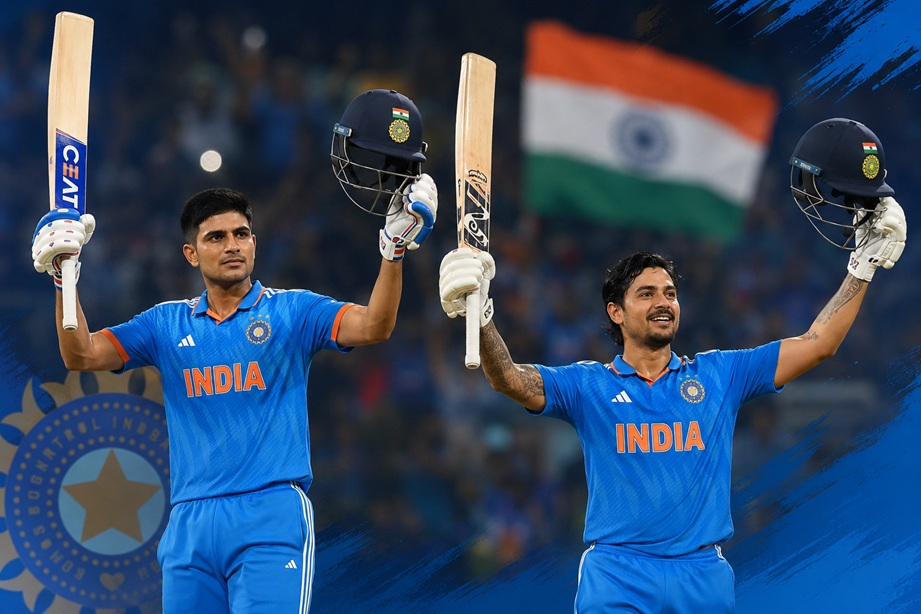
The second ODI in Lucknow was more than just a series-clinching victory. It was a statement about the future. Captain Shubman Gill produced a masterclass with 154 runs, while Ishan Kishan announced his return in style with a blazing century. Together, they powered India to a massive total and underlined why the team’s future looks brighter than ever.
Beyond the runs and records, the match revealed something even more important: India’s talent pipeline continues to expand. Young players are stepping up, competition for places is increasing, and the national side is benefiting from an abundance of options.
A Captain Leading From the Front
The story began with Shubman Gill.
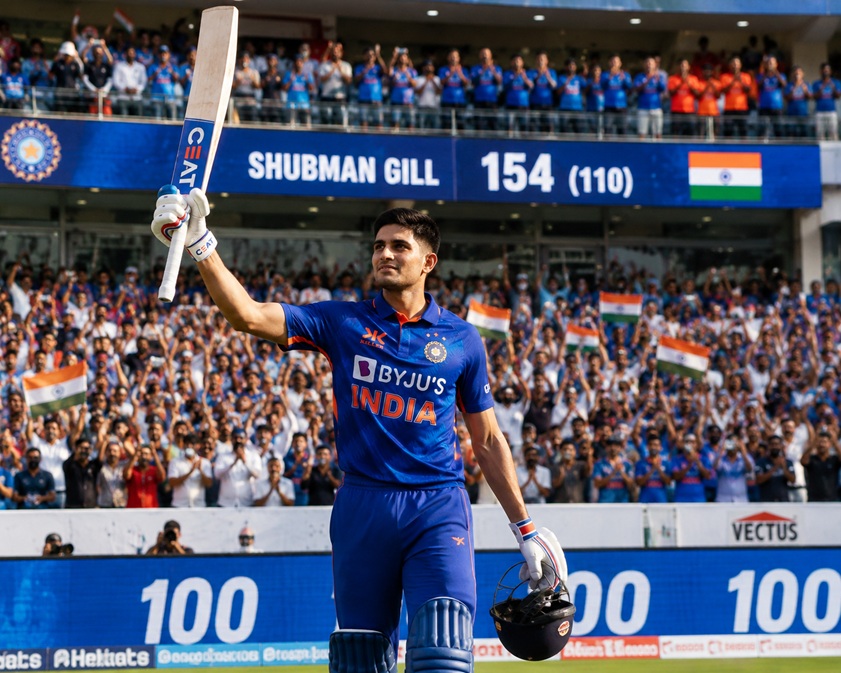
Since taking on greater leadership responsibilities, Gill has shown remarkable maturity. Against Afghanistan, he delivered an innings that combined elegance, aggression, and resilience. Battling extreme heat and physical discomfort, he remained focused and controlled the innings beautifully. His 154 came from just 110 deliveries and included a stream of boundaries that kept the scoreboard moving relentlessly.
What Made the Knock Special?
India lost an early wicket and needed stability. Gill provided exactly that.
He assessed conditions quickly, rotated strike efficiently, and accelerated when the opportunity arrived. His innings reflected the qualities expected from a modern captain—calm decision-making and the ability to lead through performance.
The performance also added another milestone to his growing list of achievements. The young skipper entered an elite group of Indian captains who have scored 150-plus runs in ODI cricket.
For a player still in the early stages of his leadership journey, it was a significant statement.
The Evolution of Shubman Gill
Gill’s rise has not happened overnight.
Over the last few years, he has transformed from a promising youngster into one of the most dependable batters in world cricket. His technique allows him to succeed against pace and spin alike, while his shot selection continues to improve.
Several Aspects Stand Out
- Ability to score in all phases of an innings
- Strong temperament under pressure
- Consistency across formats
- Leadership qualities developing rapidly
His recent milestones, including becoming one of the fastest Indians to major ODI landmarks, highlight just how quickly he is progressing.
The performance in Lucknow felt like another step toward becoming the face of India’s next cricketing era.
Ishan Kishan’s Dream Return
While Gill dominated headlines, the biggest emotional story belonged to Ishan Kishan.
For many players, returning to the national setup after periods of uncertainty can be difficult. Expectations remain high, opportunities are limited, and every innings is scrutinized.
Kishan responded in the best possible way.
His century against Afghanistan was fearless, entertaining, and immensely valuable. After a measured start, he shifted gears dramatically and began attacking every loose delivery. The result was a stunning hundred that reminded everyone why he remains one of India’s most explosive batters.
The Innings Wasn’t Just About Power
It demonstrated maturity.
Rather than charging from ball one, Kishan built his innings carefully before accelerating. That balance between patience and aggression is what separates good innings from great ones.
The return of form couldn’t have come at a better time for both the player and the team.
Why Kishan’s Comeback Matters
Competition in Indian cricket is relentless.
Every position has multiple contenders, and opportunities can disappear quickly. In such an environment, strong returns carry enormous significance.
Kishan Brings Several Unique Qualities
- Left-handed batting variation
- Aggressive stroke play
- Wicketkeeping flexibility
- Ability to bat at different positions
- Match-winning potential in limited-overs cricket
Former players and analysts have often praised his versatility and willingness to adapt according to team requirements.
That versatility makes him a valuable asset as India prepares for future global tournaments.
The success of Gill Kishan India depth becomes more evident when players returning to the side immediately deliver match-winning performances.
The Partnership That Changed the Match
Every great ODI innings often includes a defining partnership.
In Lucknow, that partnership belonged to Gill and Kishan.
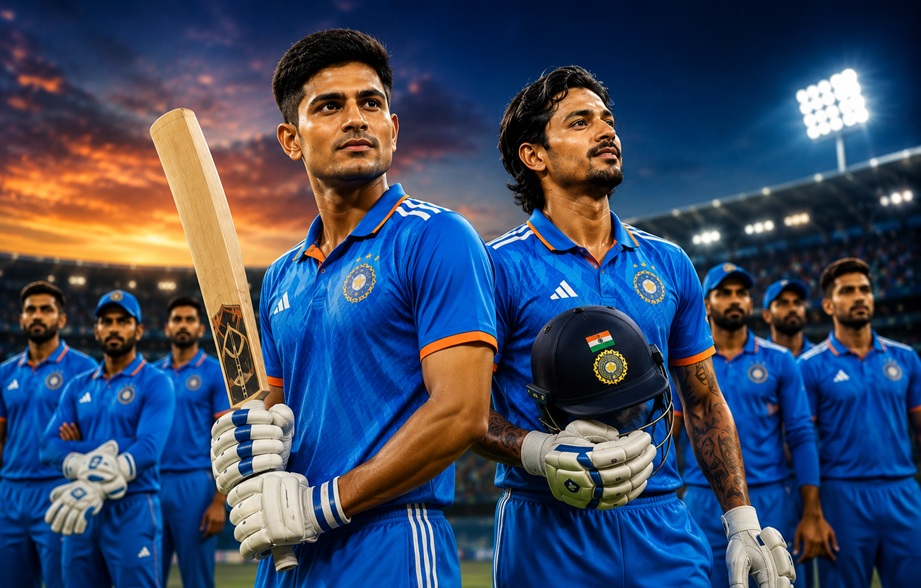
After Rohit Sharma’s departure, the pair took complete control. Their stand crossed 200 runs and left Afghanistan searching for answers. Boundaries flowed regularly, singles became doubles, and the pressure on the bowlers increased with every over.
What Stood Out?
- Gill relied on timing and placement
- Kishan relied on power and innovation
Together, they formed the perfect combination.
The partnership not only powered India beyond 400 runs but also highlighted the variety available in the batting unit. Different players can succeed through different methods while contributing to the same objective.
That diversity is a major strength for modern teams.
A Batting Line-Up Filled With Options
One of the biggest positives from the Afghanistan series was India’s flexibility.
The team experimented with batting combinations, shuffled positions, and continued evaluating players. Such experimentation is only possible when a squad possesses genuine quality.
India Currently Has Several Batters Capable of Performing Different Roles
- Aggressive openers
- Classical anchors
- Middle-order accumulators
- Finishers
- Multi-dimensional wicketkeeper-batters
This variety gives team management tremendous freedom.
Different opponents require different strategies. Conditions change. Injuries occur. Form fluctuates.
Depth ensures solutions remain available.
The emergence of Gill Kishan India depth as a discussion point reflects how India’s batting resources continue to expand.
Young Talent Waiting in the Wings
One reason India remains competitive across generations is its development system.
Domestic cricket, the IPL, India A tours, and age-group competitions constantly produce new talent.
The Afghanistan series once again offered glimpses of that pipeline.
Young players were given opportunities, and several responded positively. The willingness to test fresh faces indicates confidence in the talent pool available to selectors.
Why This Matters
- Healthy competition for places
- Motivation for younger cricketers
- Long-term sustainability for the national team
That cycle has helped India remain one of cricket’s strongest nations for decades.
Bowling Depth Is Growing Too
Much of the attention understandably focused on the centuries scored by Gill and Kishan.
However, India’s bowlers also deserve recognition.
Defending a massive total still requires discipline. Afghanistan possessed capable batters, yet India maintained control throughout the chase.
Young pacers continued to impress, while experienced bowlers provided balance and guidance. Wickets were shared across the attack, showing that India is not overly dependent on a single match-winner.
Strong Teams Win Because
- Multiple players contribute
- Responsibility is shared
- Consistency is maintained across departments
The growing narrative around Gill Kishan India depth extends beyond batting and includes the broader strength of the entire squad.
What This Means for Future ICC Events
Every successful international side builds toward major tournaments.
While bilateral series are important, they often serve as preparation for bigger challenges.
Strong Leadership Core
Gill continues to mature as a captain and senior batter.
Multiple Match Winners
Different players can take responsibility on different days.
Squad Flexibility
Several combinations remain available depending on conditions.
Healthy Competition
Places in the playing XI are far from guaranteed.
These factors become invaluable during long tournaments where adaptability often determines success.
The more players capable of delivering under pressure, the stronger a team’s chances become.
Learning From Previous Generations
India’s greatest teams shared a common characteristic.
They possessed depth.
Whether it was the era of Sachin Tendulkar and Sourav Ganguly, the period led by MS Dhoni, or the Virat Kohli years, strong bench strength consistently played a major role.
Today’s team appears to be following the same blueprint.
Instead of depending on a handful of stars, India is building a larger pool of international-ready players.
That approach reduces risk and improves long-term stability.
The recent success of Gill Kishan India depth highlights how the next generation is beginning to take ownership of that responsibility.
The Significance of Self-Assurance
Skill on its own is insufficient.
Competitions at the international level require a strong sense of self-assurance.
The series against Afghanistan was an excellent opportunity for that.
Key Positives
- Gill affirmed his position as a team leader
- Kishan found his rhythm and confidence again
- Young bowlers gained essential experience
- The team achieved yet another series win
Self-assurance often generates momentum, which can affect entire seasons.
For athletes vying for spots in the World Cup or seeking long-term positions, performances of this nature could define their careers.
Afghanistan Also Merited Acknowledgment
Although the spotlight is on India’s achievements, Afghanistan deserves recognition.
The team is continually evolving and has several skilled cricketers capable of facing formidable rivals.
Afghanistan’s Strengths
- Strong bowling lineup
- Experienced batting order
- Continuous improvement on the global stage
Games against developing teams offer significant challenges and helpful learning moments.
Thus, India’s overwhelming victory should be considered in context—it was secured against a squad that is progressively enhancing its capabilities on the global stage.
Looking Forward
The future looks bright for Indian cricket.
Numerous veteran players are still competing, while a fresh wave of talent is emerging. The transition seems to be more seamless than anticipated as skilled replacements are consistently coming through.
Reasons for Optimism
- Gill is maturing into a leadership role
- Kishan is returning to peak performance
- New bowlers are acquiring experience
- Domestic cricket is consistently producing fresh contenders
This mix is generating a sense of hopefulness.
The dialogue regarding the depth of Gill Kishan India transcends a single ODI or a specific partnership. It signifies a broader evolution towards a team that appears well-equipped to tackle challenges across various formats and conditions.
Final Thoughts
India’s win against Afghanistan will stand out for numerous reasons.
Shubman Gill’s outstanding 154 exemplified leadership, excellence, and reliability. Ishan Kishan’s century highlighted a strong comeback and served as a testament to his vast potential. Together, they formed one of the key partnerships of the series, contributing to India’s decisive triumph.
However, the larger narrative extends beyond the final score.
Indian cricket is entering a period filled with opportunities, intense rivalry, and eager athletes ready to claim their moment. The combination of seasoned stars and rising talents is forming a team distinguished by skill and self-assurance.
If recent outings are indicative, the outlook appears exceptionally bright. As the journey progresses, the emergence of Gill Kishan India depth may very well become a central theme in the next chapter of India’s cricketing story.