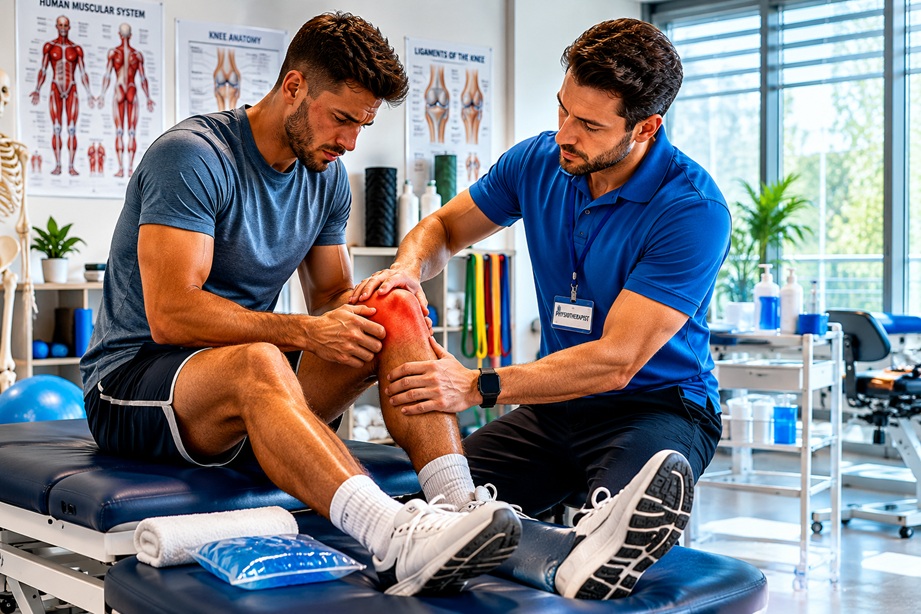

Engaging in sports promotes physical health, keeps us active, and fortifies our mental well-being. Whether it involves playing cricket, football, basketball, tennis, participating in marathons, or enjoying fitness activities on weekends, injuries can arise unexpectedly. Recognizing their origins, recognizing symptoms, and knowing effective recovery techniques can assist athletes in getting back to their sport safely while avoiding long-term issues.
Annually, countless individuals encounter sports-related injuries that impact muscles, ligaments, tendons, joints, and bones. Most injuries stem from overuse, improper techniques, insufficient warm-ups, abrupt impacts, or accidents during training and competitions. Professionals identify sprains, strains, fractures, tendon injuries, knee issues, and dislocations as some of the most frequent athletic injuries globally.
This detailed guide outlines the prevalent sports injuries, along with their symptoms, causes, treatment options, rehabilitation plans, and preventive measures that every athlete must be familiar with.
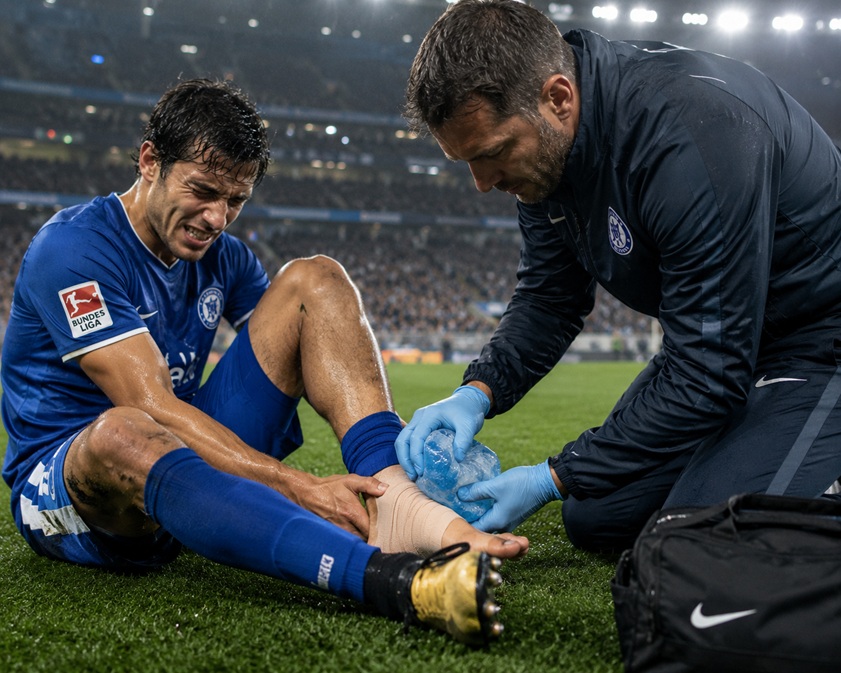
Understanding Sports Injuries
A sports injury pertains to harm to muscles, bones, tendons, ligaments, joints, or connective tissues that occurs while engaging in physical activities. Such injuries generally fall into two main types:
Acute Injuries
Acute injuries happen suddenly during physical activities. They include:
- Ankle sprains
- Fractures
- Dislocations
- Concussions
- Muscle tears
These injuries are typically caused by collisions, falls, twists, or direct strikes.
Chronic Injuries
Chronic injuries develop progressively due to repeated stress and overuse. Examples encompass:
- Tendinitis
- Shin splints
- Tennis elbow
- Runner’s knee
- Achilles tendon issues
Such conditions often escalate when athletes dismiss initial warning signs and continue training excessively.
Why Sports Injuries Happen
A variety of factors heightens the risk of injury during physical activity.
Poor Warm-Up Routine
Diving into vigorous exercise without warming up decreases muscle flexibility and heightens strain on the joints.
Overtraining
Excessive training without proper recovery can overwhelm muscles, ligaments, and tendons.
Incorrect Technique
Improper techniques in running, lifting, throwing, or jumping can place unnecessary stress on the body.
Inadequate Equipment
Inferior footwear, worn protective gear, and inappropriate sports equipment significantly increase the risk of injuries.
Muscle Imbalances
Weak surrounding muscles may lead other parts of the body to adjust, thereby increasing injury risk.
Previous Injuries
Athletes returning to sport too swiftly after an injury often face recurring issues.
Sports Injury Treatment Basics
The essential aspect of Sports Injury Treatment initiates right after an injury takes place. Prompt action can help in minimizing swelling, pain, and the duration of recovery.
For numerous acute injuries, medical professionals often suggest rest, ice, compression, and elevation during the initial phase. This strategy aids in managing inflammation and discomfort that follows sprains, strains, and other similar soft-tissue injuries.
Key initial actions consist of:
- Cease activity immediately
- Safeguard the injured area
- Apply ice for brief stretches
- Use compression as needed
- Elevate the injured limb
- Obtain medical assessment when needed
Ankle Sprains
Ankle sprains rank among the most prevalent sports injuries, particularly in football, basketball, volleyball, and running. They happen when ligaments stretch or rip due to sudden twisting actions.
Symptoms
- Swelling
- Bruising
- Pain during walking
- Reduced movement
- Joint instability
Treatment
The beneficial Sports Injury Treatment for ankle sprains typically includes early protection, managing swelling, progressively restoring movement, and rehabilitation exercises. Severe ligament injuries might necessitate bracing or specialized treatment.
Recovery Timeline
Minor sprains can heal within several weeks, while more serious injuries may require multiple months.
Muscle Strains
Muscle strains happen when muscle fibers are either overstretched or damaged. Athletes often suffer from strains in the hamstrings, calves, groin, and lower back.
Symptoms
- Abrupt discomfort
- Muscle stiffness
- Swelling
- Bruises
- Decreased strength
Treatment
An effective strategy for dealing with sports injuries includes minimizing inflammation, refraining from putting excessive strain on the affected muscle, and gradually enhancing strength through rehabilitation activities.
Rehabilitation
Recovery efforts should concentrate on:
- Mild stretching
- Controlled strengthening
- Exercises to enhance mobility
- Slow reintegration into training
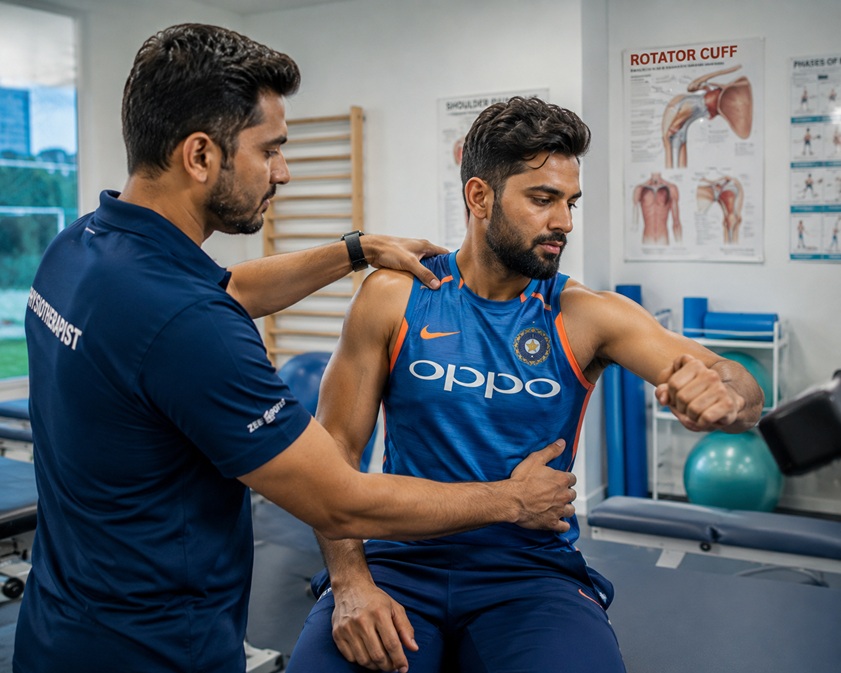
Knee Injuries
The knee endures significant pressure while running, jumping, and making pivoting movements. Typical knee injuries consist of ACL tears, meniscus damage, patellar tendinitis, and runner’s knee.
Symptoms
- Swelling in the knee
- Feeling of instability
- Discomfort during movement
- Clicking noises
- Challenges with weight-bearing
Treatment Options
The effectiveness of sports injury treatment for knee damage hinges on the extent of the injury. Mild injuries usually improve with physical therapy and strengthening routines, while severe ligament tears may necessitate surgical solutions.
Long-Term Recovery
Athletes healing from knee injuries should prioritize:
- Strengthening the hips
- Stabilizing the core
- Balance training
- Correct movement techniques
Tendinitis and Overuse Injuries
Tendinitis arises from irritation of tendons due to repetitive actions. It frequently impacts the shoulder, elbow, knee, and Achilles tendon.
Common Examples
- Tennis elbow
- Golfer’s elbow
- Achilles tendinitis
- Patellar tendinitis
Symptoms
- Ongoing pain
- Sensitivity
- Stiffness
- Discomfort during activities
Treatment
Contemporary treatment methods for tendinitis stress controlled exertion instead of total rest. Gradual strengthening aids in restoring tendon capacity while alleviating symptoms.
Fractures and Broken Bones
Fractures take place when excessive pressure leads to a bone cracking or breaking. These injuries are often a result of contact sports, falls, and collisions.
Warning Signs
- Intense pain
- Visible misalignment
- Swelling
- Inability to use the injured area
Medical Management
Adequate treatment of fractures requires a medical review. Depending on how serious the injury is, treatment might include casting, splinting, immobilizing, or an operation.
Healing Process
The healing of bones typically advances through multiple phases and can take weeks or months based on the location and seriousness of the injury.
Shoulder Injuries
Injuries to the shoulder are especially frequent among swimmers, cricket bowlers, baseball pitchers, and tennis players.
Common Conditions
- Rotator cuff injuries
- Shoulder impingement
- Tendinitis
- Dislocations
Symptoms
- Discomfort during overhead actions
- Weakness
- Restricted range of motion
- Joint instability
Treatment Approach
Efficient treatment for sports injuries usually merges rest, physiotherapy, mobility exercises, and strengthening routines aimed at restoring shoulder function.
Shin Splints
Shin splints commonly impact runners and athletes who abruptly elevate their training intensity.
Causes
- Excessive training
- Inadequate footwear
- Running on rigid terrain
- Muscle disparities
Symptoms
- Pain in the shin area
- Sensitivity
- Slight swelling
Treatment
The suggested Sports Injury Treatment approach entails decreasing training intensity, correcting movement patterns, enhancing footwear quality, and progressively resuming activities.
Concussions
Concussions refer to brain injuries that arise from either direct or indirect impacts to the head. These injuries necessitate prompt medical intervention.
Symptoms
- Head pain
- Lightheadedness
- Disorientation
- Memory issues
- Light sensitivity
Recovery
Effective Sports Injury Treatment for concussions includes medical evaluation, cognitive relaxation, and a carefully monitored program for returning to play.
Athletes should not resume competitive activities without full clearance from licensed healthcare providers.
Rehabilitation: The Key to Full Recovery
Numerous athletes concentrate exclusively on alleviating pain, overlooking the importance of rehabilitation. Nonetheless, rehabilitation is often the key component in the recovery process.
Goals of Rehabilitation
- Regain movement
- Restore strength
- Enhance flexibility
- Boost balance
- Avoid re-injury
Role of Physiotherapy
Physiotherapists assist athletes in regaining proper movement patterns while pinpointing weaknesses that may have led to their injury.
A well-organized rehabilitation program can greatly enhance recovery outcomes and minimize the likelihood of future injuries.
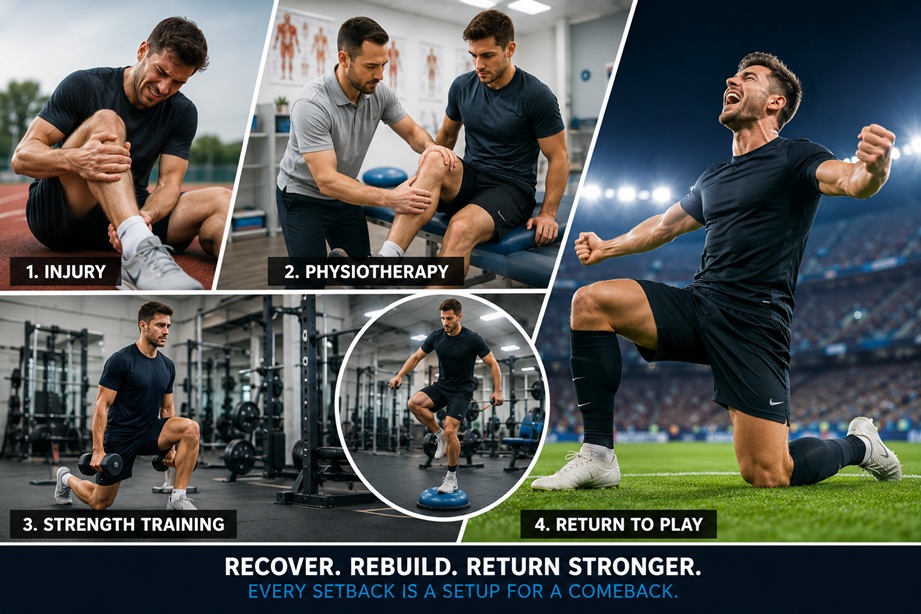
Nutrition and Recovery
Recovery is influenced by not just physical activity but also by adequate nutrition.
Important Nutrients
- Protein for repairing muscles
- Calcium for healthy bones
- Vitamin D for strong bones
- Omega-3 fatty acids for managing inflammation
- Complex carbohydrates for energy replenishment
Athletes who neglect their dietary needs may face prolonged recovery times and a heightened risk of injuries.
When to See a Doctor
While minor injuries may resolve through self-care, certain cases necessitate prompt medical evaluation.
Request professional assistance if you encounter:
- Severe discomfort
- Obvious deformity
- Ongoing swelling
- Inability to bear weight
- Tingling sensations
- Possible fracture
- Symptoms of head trauma
Getting an early diagnosis can enhance treatment effectiveness and lower the chance of complications.
Preventing Future Sports Injuries
Prevention remains the most potent method to ensure ongoing activity and well-being.
Essential Prevention Tips
- Always warm up prior to workouts
- Increase training intensity gradually
- Utilize sport-specific gear
- Practice correct techniques
- Strengthen surrounding muscles
- Keep hydrated
- Prioritize restorative sleep
- Steer clear of overtraining
Studies consistently indicate that athletes engaged in structured programs aimed at preventing injuries experience fewer incidents throughout their competitive season.
Building a Long-Term Athletic Career
Athletes frequently prioritize performance while neglecting recovery aspects. However, the most accomplished competitors recognize that recovery and preventative measures are just as crucial as training routines.
The most effective Sports Injury Treatment strategies integrate timely care, precise diagnoses, organized rehabilitation, nutritional support, and a gradual return-to-play framework. Athletes who value the recovery journey tend to uphold long-lasting performance and reduce the risk of re-injury.
Conclusion
Sports injuries are an inevitable aspect of an active lifestyle, yet they do not have to derail an athlete’s progress. By comprehending common injuries like sprains, strains, fractures, knee issues, tendinitis, shin splints, shoulder challenges, and concussions, individuals can identify symptoms early and pursue necessary care.
A well-structured Sports Injury Treatment plan emphasizes not only healing the injury but also rebuilding strength, mobility, and self-assurance. By merging thoughtful training practices, proper rehabilitation, and strategies to prevent injuries, athletes can emerge stronger, safer, and more prepared for future competitions.