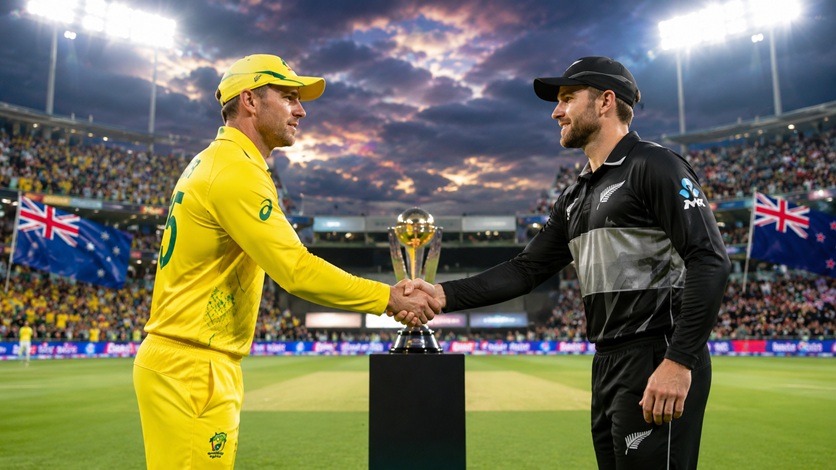

The rivalry in cricket between Australia and New Zealand feels exceptionally authentic. Divided by the Tasman Sea, these two neighboring nations have been competing against one another for over a hundred years, creating unforgettable Test matches, exciting ODI games, and intense T20 showdowns. While Australia has consistently been a dominant force in global cricket with numerous ICC trophies, New Zealand has continuously demonstrated that teamwork and commitment can overshadow disparities in skill or standing.
The Australia New Zealand Cricket Timeline is more than just a record of games played. It narrates the journey of two countries that have significantly influenced cricket in the Southern Hemisphere. From timeless Test matches hosted on bare pitches to contemporary World Cup events viewed by millions, each generation has contributed a remarkable story to this iconic rivalry.
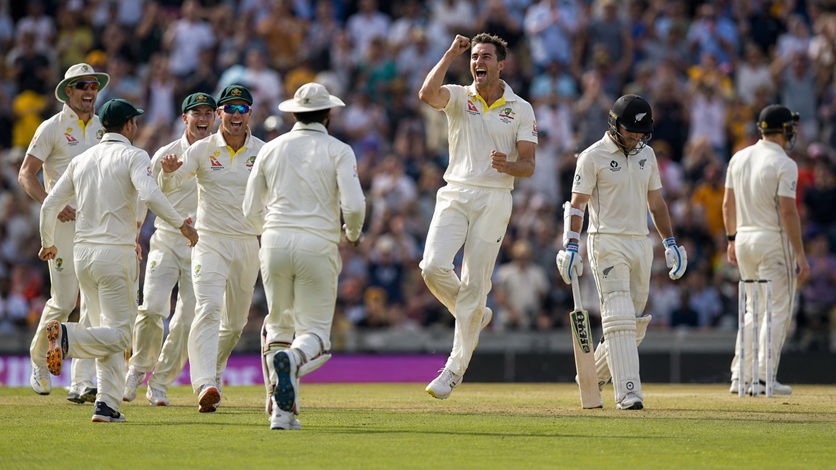
The Birth of a Notable Rivalry
The history of international cricket between Australia and New Zealand traces back to the early 1900s. Before New Zealand achieved Test-playing status, Australian teams often visited across the Tasman Sea, which aided in the growth of competitive cricket within New Zealand.
The first unofficial matches occurred in the late 1800s, allowing New Zealand to gain crucial experience against superior Australian teams. These early contests set the groundwork for one of the longest-standing international rivalries in cricket history.
With New Zealand gaining Test status in 1930, the dynamic between the two teams transitioned into a fresh chapter. Australia had already established legendary players and experienced Ashes battles, while New Zealand sought to carve out its place among the top cricketing nations.
The formal Test chapter of the Australia New Zealand Cricket Timeline commenced in 1946 with Australia traveling to New Zealand following World War II. Although Australia secured a comfortable victory, the matches illustrated New Zealand’s increasing competitiveness.
The Initial Years (1946–1969)
The years after World War II were primarily controlled by Australia. Icons such as Don Bradman had already elevated Australian cricket to a world-class level, while New Zealand pursued the quest for stability.
Despite the disparity in strength, several significant changes took place during this timeframe.
Australia’s Solid Base
Australia had a well-established domestic framework and a consistent influx of elite players. The national team frequently produced outstanding batsmen and fast bowlers capable of achieving success across the globe.
Notable features included:
- Robust batting line-ups
- Disciplined fast bowling
- High standards of fielding
- Strategic captaining
These strengths often proved overwhelming for New Zealand during bilateral contests.
New Zealand’s Steady Growth
Instead of seeking instant achievements, New Zealand concentrated on cultivating a competitive team spirit. The Black Caps garnered admiration for their disciplined bowling and patient batting, even if success remained infrequent.
This era was crucial in forming the resilient character that defines New Zealand cricket today.
The 1970s: A New Standard of Competition
The 1970s represented a critical shift. New Zealand no longer approached matches with only the hope of being competitive—they began to believe they could conquer Australia.
Several players emerged who altered the perception of New Zealand cricket. Enhanced domestic leagues produced technically proficient batsmen and more capable pace bowlers.
Australia underwent notable transformations during this decade, especially with the emergence of an aggressive cricket style led by captains who prioritized offensive tactics.
The rivalry grew distinctly tighter, with games frequently heading into nail-biting final phases.
The Australia New Zealand Cricket Timeline entered a more challenging era as New Zealand started to contest Australia’s supremacy rather than merely defending against it.
The 1980s: Intensifying the Rivalry
While previous decades laid the groundwork for the rivalry, the 1980s introduced real fervor.
Australia underwent a reconstruction following the World Series Cricket, while New Zealand enjoyed one of the most successful eras in its history, bolstered by remarkable individual talents.
Richard Hadlee Alters Everything
No examination of this rivalry can be comprehensive without considering Sir Richard Hadlee.
The iconic fast bowler emerged as one of cricket’s leading match winners. His exceptional skill to reverse swing the ball created difficulties for even the best Australian batsmen.
Hadlee’s performances inspired New Zealand to have the confidence that they could overcome any adversary.
His accomplishments against Australia included:
- Decisive bowling spells that clinched games
- Reliable wicket-taking across different formats
- Guidance through seasoned experience
- Outstanding displays in home conditions
His impact helped elevate New Zealand into a respected competitor on the world stage.
Australia’s Emerging Stars
Australia countered with its own phase of regeneration.
Future icons began to carve out their legacies, forming a more formidable unit poised to dominate global cricket in the coming decade.
This development resulted in every series being considerably more competitive than those in the past.
Notable Events That Shaped the 1980s
One of the most memorable events in cricket history transpired during a One Day International between the two nations in Melbourne in 1981.
Captain Greg Chappell directed his brother Trevor Chappell to deliver the last ball underarm, preventing New Zealand from hitting a tie-ensuring six.
Although it was permissible under the rules at that time, this choice drew severe global backlash and forever altered the regulations surrounding underarm bowling.
Even many years later, this incident is remembered as one of the most contentious moments in international cricket, frequently cited when these teams face off.
The Australia New Zealand Cricket Timeline cannot overlook this pivotal incident, which has become embedded in cricket lore.
The 1990s: Australia’s Ascendancy to Global Supremacy
The 1990s marked Australia’s transformation into possibly the greatest cricket team ever created.
Under insightful leadership, the team exhibited unprecedented consistency across all formats.
Players like:
- Shane Warne
- Glenn McGrath
- Mark Waugh
- Steve Waugh
- Adam Gilchrist
- Ricky Ponting
propelled Australian cricket to remarkable levels.
For New Zealand, this era proved more trying. Despite producing skilled cricketers, keeping pace with Australia’s depth was extremely challenging.
Nonetheless, New Zealand consistently delivered memorable performances showcasing their impressive fighting spirit.
A Respectful Yet Fierce Competition
In contrast to rivalries fueled by animosity, Australia and New Zealand traditionally upheld a sense of mutual respect.
Both teams fostered similar cricketing cultures centered on discipline, fair play, and competitive spirit.
However, this respect never diminished the intensity that arose once the game commenced.
Every Trans-Tasman series carried immense pride, as victories held significance beyond mere ranking points—they symbolized regional dominance in Oceania.
The 2000s: A Remarkable Period for Contemporary Cricket
The dawn of the new millennium introduced quicker scoring patterns, enhanced fitness benchmarks, and more competitive international fixtures. Australia began the decade as a leading powerhouse in global cricket, claiming ICC titles and establishing impressive benchmarks across various formats. At the same time, New Zealand garnered respect for its disciplined strategies, forming teams capable of defeating more formidable rivals at any moment.
During these years, the Australia New Zealand Cricket Timeline entered a captivating stage. While Australia often secured victories in bilateral series, New Zealand consistently delivered passionate performances, reminding fans of the entertaining nature of this rivalry in cricket.
Celebrated Athletes of the Time
Australia continued to depend on elite match-winners, such as:
- Ricky Ponting
- Glenn McGrath
- Shane Warne
- Adam Gilchrist
- Matthew Hayden
- Michael Hussey
New Zealand matched this with prominent figures who became cherished national legends:
- Stephen Fleming
- Daniel Vettori
- Brendon McCullum
- Shane Bond
- Jacob Oram
- Ross Taylor
These athletes raised the level of competition, ensuring that nearly every series featured standout individual displays.
ICC Tournaments Introduce Fresh Excitement
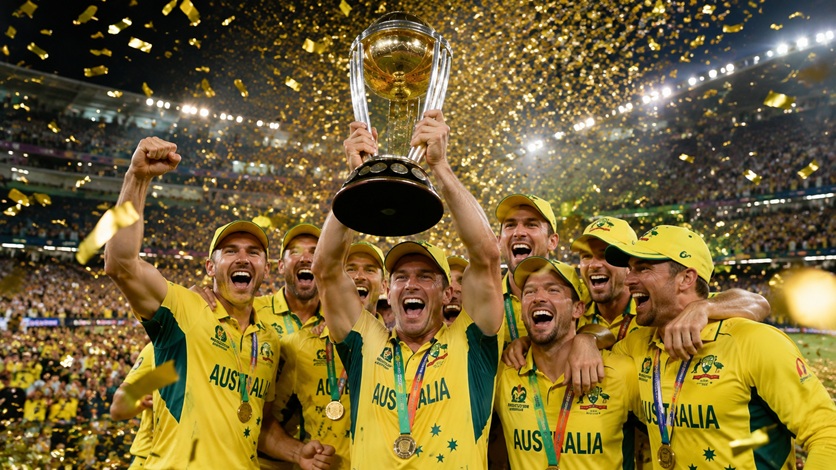
While bilateral matches held significance, ICC tournaments contributed an extra dimension to the rivalry.
World Cup and Champions Trophy fixtures frequently had knockout stakes, amplifying the pressure on both nations. Australia typically enjoyed more success in crucial contests due to its unparalleled steadiness, yet New Zealand persistently pushed the reigning champions with bold performances.
A key aspect of the rivalry has always been its versatility. Regardless of whether the format was a five-day Test, a fifty-over ODI, or a fast-paced T20 match, both teams consistently delivered cricket of exceptional quality.
The Brendon McCullum Game-Changer
Brendon McCullum’s ascent to captaincy revolutionized the landscape of New Zealand cricket.
His bold approach promoted aggressive batting, decisive leadership, and fearless cricket no matter the opponent. Under his command, New Zealand emerged as one of the most thrilling teams globally.
Rapid starts, inventive shot-making, and bold field settings made every match against Australia unpredictable.
The Australia New Zealand Cricket Timeline added yet another exhilarating chapter as the Black Caps began to compete with newfound assurance against their classic adversaries.
Australia’s Ongoing Brilliance
Even following the retirement of numerous legendary players, Australia adeptly restructured its team.
A fresh wave of talent, including Michael Clarke, David Warner, Mitchell Johnson, Steven Smith, Mitchell Starc, among others, guaranteed that Australia remained one of the preeminent cricketing nations worldwide.
This capacity to cultivate new talent has consistently been one of the remarkable qualities of Australian cricket.
The Legendary 2015 Cricket World Cup Match
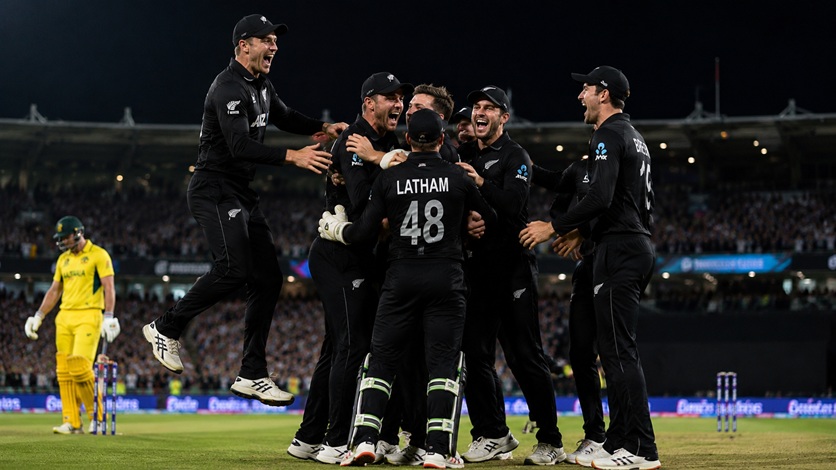
Few encounters exemplify this rivalry as perfectly as the memorable 2015 ICC Cricket World Cup group-stage match at Eden Park.
In a tightly contested low-scoring encounter, New Zealand pursued a modest target but faced near collapse against relentless Australian pace bowlers. Brendon McCullum’s explosive innings set a strong foundation before Kane Williamson expertly sealed the victory with a match-winning six.
This match is widely celebrated for:
- Remarkable pace bowling from both sides.
- Exceptional fielding under immense pressure.
- A thrilling conclusion that captivated cricket fans around the globe.
- One of the greatest World Cup matches of the contemporary era.
Although Australia ultimately secured the World Cup later that same year, New Zealand’s triumph in Auckland stands out as a lasting memory of the tournament.
Test Cricket Remains the Ultimate Challenge
In spite of the widespread appeal of limited-overs formats, Test matches continue to encapsulate the essence of the rivalry.
Historically, Australia has held an advantage because of:
- Superior batting strength.
- Top-tier fast-bowling units.
- Consistent superiority on home turf.
- Greater familiarity with high-stress circumstances.
Conversely, New Zealand has achieved extraordinary Test victories thanks to disciplined bowling, determined batting, and outstanding teamwork.
Recent Test series between these two teams have showcased closely contested moments, even if the final scores imply differently.
The Australia New Zealand Cricket Timeline highlights that Test cricket remains the truest indicator of the capabilities of both teams.
T20 Cricket Creates a New Chapter
The introduction of the shortest format has diminished the disparity between the two sides.
T20 international matches favor aggressive batting, dynamic fielding, and strategic adaptability—all traits that both teams have in plenty.
Athletes like Glenn Maxwell, David Warner, Aaron Finch, Tim David, Kane Williamson, Devon Conway, Finn Allen, Mitchell Santner, and Trent Boult have made remarkable contributions in recent games.
Nail-biting finishes have become more frequent, transforming every match between Australia and New Zealand in T20 into a must-see event.
Head-to-Head Legacy
Throughout more than a hundred years of international cricket, Australia has upheld a stronger overall performance record.
Australia’s achievements are primarily attributed to:
- Remarkable consistency over generations.
- A fiercely competitive domestic league.
- World-class fast bowling skills.
- Influential leadership and strategic advancements.
Nevertheless, New Zealand’s accomplishments are not limited to win-loss records.
The Black Caps have garnered international esteem for their sportsmanship, tenacity, and capacity to compete with more formidable adversaries. Their journey from underdogs to ICC champions illustrates many years of ongoing development.
Greatest Players in the Rivalry
Numerous legendary players have influenced this historic rivalry.
Australian Icons
- Sir Donald Bradman
- Shane Warne
- Glenn McGrath
- Ricky Ponting
- Adam Gilchrist
- Steve Smith
- Pat Cummins
New Zealand Legends
- Sir Richard Hadlee
- Martin Crowe
- Stephen Fleming
- Daniel Vettori
- Brendon McCullum
- Ross Taylor
- Kane Williamson
Each era has introduced unforgettable performances that continue to motivate aspiring cricketers on both sides of the Tasman Sea.
Looking Ahead to 2026
As we approach 2026, the rivalry remains robust as ever.
Australia keeps producing top-tier cricketers through one of the premier domestic systems in the world, while New Zealand reliably nurtures players adept at shining on the global stage despite its smaller talent base.
Upcoming matches are anticipated to showcase thrilling young talents alongside seasoned veterans, ensuring that the rivalry keeps advancing.
With scheduled ICC tournaments, World Test Championship events, bilateral series, and T20 matches happening regularly, fans can look forward to many more unforgettable clashes in the future.
The Australia New Zealand Cricket Timeline not only represents landmark victories but also reflects the incredible development of two proud cricketing nations that have significantly influenced the modern game.
Conclusion
The narrative of Australia and New Zealand in global cricket encompasses far more than just victories and defeats. It represents a saga that stretches over a century, marked by iconic athletes, unforgettable disputes, exhilarating World Cup clashes, and key events that have shaped the course of cricket’s history. Australia has frequently established a standard through ongoing excellence, while New Zealand has gained respect for its tenacity, fair play, and ability to compete with even the most formidable adversaries.
From the initial international encounters to the intense competitions of today, this rivalry has perpetually offered thrills for cricket enthusiasts worldwide. As new generations rise and additional stories unfold, the timeline of Australia and New Zealand cricket will remain one of the sport’s most esteemed and lasting rivalries, ensuring countless remarkable experiences extend well beyond 2026.