

The highlights from the 4th T20I between England and India offered yet another memorable night of cricket, but unfortunately not for the Indian supporters. At the County Ground in Bristol, England showcased their exceptional form by defeating India by nine wickets, thus gaining an unassailable advantage in the five-match series. The victory was characterized by disciplined bowling, bold batting, and remarkable leadership from Harry Brook, whose not-out innings significantly shifted the contest’s dynamics.
India approached this match under tremendous strain after facing defeats in consecutive games. Captain Shreyas Iyer decided to bat first, assuming that setting a challenging target would enable his bowlers to defend it under the lights. Although Iyer delivered a classy performance, the rest of the batting order faltered in building partnerships, which hampered India’s ability to reach the formidable total they urgently required.
Conversely, England exhibited confidence from the very first over. Their bowlers exercised excellent control, while the batting lineup handled the chase with clear objectives. Each phase of the match demonstrated why England has emerged as one of the premier T20 teams globally.
India Struggles to Make Use of Winning the Toss
In T20 cricket, winning the toss is often viewed as a significant advantage, especially when teams opt to set a target. India adopted this approach, anticipating that the pitch would deteriorate as the evening progressed.
Regrettably for the visitors, the innings never gained consistent momentum.
Early wickets compelled the middle order to focus on rebuilding rather than playing aggressively. England’s fast bowlers were clever with their varying speeds, and their fielders converted nearly every chance into pressure. Dot balls accumulated, boundaries were infrequent, and India’s scoring rate fluctuated throughout their innings.
Only one batsman consistently appeared to be in command.
Shreyas Iyer Stands Firm Amidst the Collapse
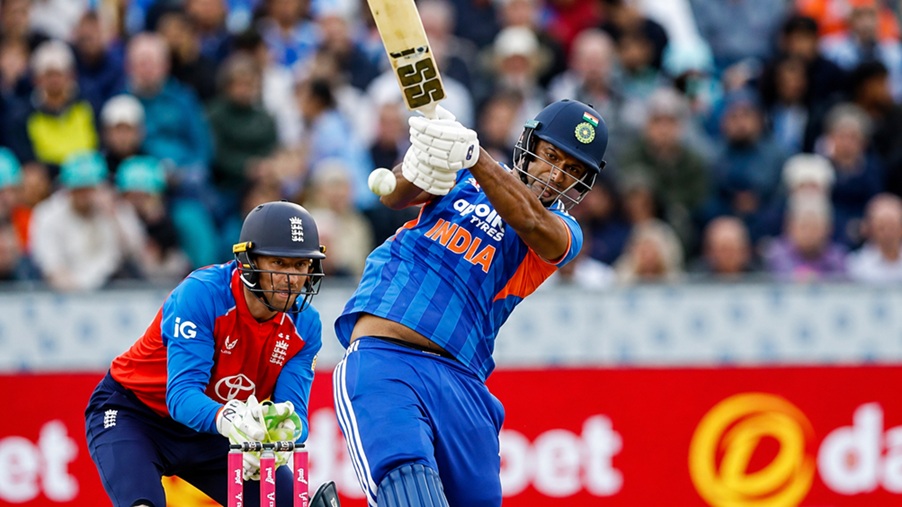
Amid the ongoing fall of wickets, Shreyas Iyer produced one of his most impressive T20 innings in recent times. His unbeaten score of 80 combined patience with timely aggression, allowing India to at least surpass the 150-run mark.
Instead of going for high-risk shots early, Iyer intelligently rotated the strike before ramping up the pace in the latter overs. His ability to find boundaries and position himself well through the off side against both pace and spin emphasized his maturity as an innings builder.
The support from the other members of the batting order was minimal, resulting in India concluding their innings at 158/7, a score that appeared competitive but ultimately fell short on a favorable batting pitch.
England’s Bowling Establishes the Pace
One of the primary reasons behind the excitement of the England vs India 4th T20I was the outstanding bowling display by England.
Jofra Archer quickly put pressure on India’s top order with his extra pace and bounce, forcing mistakes from the visiting batsmen. Josh Tongue provided solid support, while the other bowlers ensured that India could not establish lasting partnerships.
Several key elements were prominent in England’s bowling performance:
- Maintaining consistent hard lengths against India’s aggressive batters.
- Executing death overs effectively.
- Clever field placements that minimized boundary opportunities.
- Creating pressure through dot balls rather than solely focusing on taking wickets.
This structured strategy kept India from achieving a total over 180, which many analysts thought would be crucial on the Bristol pitch.
Harry Brook and Phil Salt Deliver an Exceptional Batting Display
If India’s batting innings lacked pace, England’s pursuit was quite the opposite.
From the outset, Harry Brook and Phil Salt demonstrated aggressive intent. Instead of waiting for poor deliveries, they took on solid bowling, placing immediate strain on India’s bowlers.
Brook exhibited remarkable shot selection during his unbeaten innings. His strokes through extra cover, smooth pulls, and creative scoops contributed to a rapidly increasing score. Phil Salt supported him by rotating the strike initially, then ramping up his powerful hitting once he found his rhythm.
Together, they forged an unbroken partnership of 146 runs after England lost an early wicket, making the chase look surprisingly easy. England accomplished their target in just 13.5 overs, highlighting the strength of their batting display.
India’s Bowlers Struggle to Respond
The most notable aspect from the highlights of the 4th T20I between England and India was how smoothly England pursued the target. A score of 159 was definitely achievable, but few anticipated that the home team would finish the chase with 37 balls to spare.
India’s pace attack failed to find movement with the new ball. Their lengths were erratic, permitting Brook and Salt to establish themselves without delay. After the initial spell concluded without generating consistent pressure, England switched gears and took full command of the game.
The spinners also received minimal assistance from the pitch at Bristol. England’s batsmen smartly used the crease, often stepping out or moving back to disrupt the bowlers’ tempo. Consequently, India’s bowling lineup never appeared capable of generating pressure through dot balls.
Captain Shreyas Iyer attempted to vary his bowlers and adjust field settings, yet England kept finding the boundaries consistently. Each over seemed to tip further in favor of the home team, with the required run rate comfortably remaining below their scoring pace.
Harry Brook Takes Charge
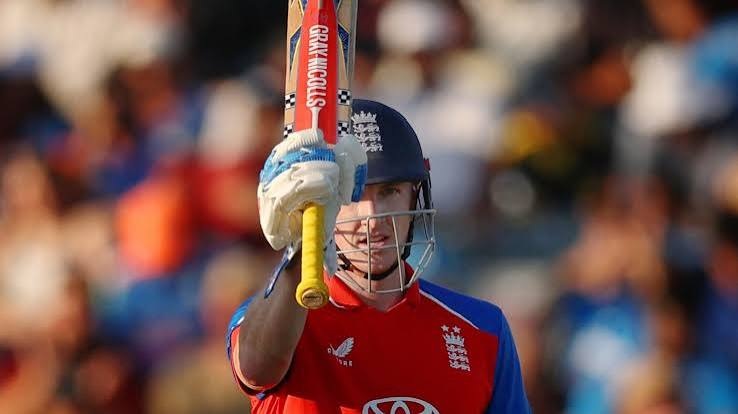
England’s captain Harry Brook once again demonstrated why he is considered one of the most thrilling T20 players globally.
His unbeaten score of 79 off just 35 balls was a superb combination of aggression and situational awareness. Instead of depending solely on might, Brook recognized scoring opportunities early and capitalized on every incorrect delivery.
Several elements of his innings were noteworthy:
- He approached both pace and spin with equal assurance.
- Rotating the strike kept India from mounting pressure.
- He surged forward after settling instead of taking rash chances early on.
- His collaboration with Phil Salt ensured England maintained their momentum.
Brook’s leadership has also changed England’s strategy in the shortest format. Since he assumed command, the team has embraced fearless cricket while achieving remarkable consistency. The victory in Bristol further solidified England’s reputation as one of the top T20 teams ahead of upcoming ICC competitions.
Phil Salt Excels in His Supporting Role
Although Brook received most of the attention, Phil Salt merits equal recognition for his unbeaten score of 59.
Salt resisted the urge to go after every delivery in the initial overs. Instead, he effectively managed the strike before showcasing his array of aggressive shots once England had firm control of the chase.
His collaboration with Brook became the crucial moment of the match. The duo accumulated an unbroken 146 runs for the second wicket, extinguishing any chances of an Indian resurgence.
The synergy between the two batsmen was apparent throughout the innings. Their running was quick, their communication was strong, and both players consistently focused on finding gaps rather than just relying on powerful hits. This equilibrium made England’s chase seem incredibly smooth.
Turning Points That Changed the Match
Every T20 match features key moments that influence the outcome, and this game was no different.
The initial critical moment occurred during India’s batting when England managed to dismiss the top order within the powerplay. Instead of letting India take charge from the start, Jofra Archer and Josh Tongue quickly applied pressure on the visitors with their disciplined bowling and aggressive lines.
The second pivotal moment emerged despite Shreyas Iyer’s impressive knock. While he stayed not out with a score of 80, India struggled to get sufficient backing from the other batsmen. Regular wickets hindered the middle order’s ability to execute the kind of aggressive play typically required in the last five overs.
Ultimately, England’s partnership for the second wicket sealed the match’s fate. Brook and Salt did not allow India a single chance after the early wicket. Once they got into their rhythm, the outcome became increasingly evident as boundaries came easily and the required run rate kept decreasing.
These instances clearly illustrate why the highlights of the England vs India 4th T20I depicted such an unbalanced encounter, despite India’s commendable total in the first innings.
What This Result Means for Both Teams
This win secured England a commanding 3-0 lead in the five-match series following the rain-out of the initial game, marking their first bilateral T20I series triumph over India that included at least two matches. It also bolstered the team’s confidence under Harry Brook’s captaincy and underscored the batting and bowling depth available.
For India, the loss brings up numerous concerns ahead of the final match and future international commitments. While Shreyas Iyer’s leadership has shown a positive direction, the batting lineup requires more consistency, and the bowling unit needs to regain its ability to claim wickets during the powerplay and maintain control in the middle overs.
Lessons India Must Learn Before the Final T20I
A single disappointing outcome does not define a team, yet consistent failures can highlight patterns that require urgent correction. India still has a skilled team capable of facing any rival; however, the fourth match revealed numerous aspects that need enhancement.
The batting order must establish stronger collaborations right from the beginning. Frequently, early dismissals have compelled the middle order to focus on rebuilding rather than taking an aggressive stance. While Shreyas Iyer displayed poise and skill with his unbeaten innings, T20 cricket requires contributions from several players instead of depending solely on one individual to lead the innings.
The bowling lineup also needs improvement. England’s assertive approach placed immediate stress on India’s bowlers from the onset, and the visitors found it challenging to adapt their strategies. Enhanced execution with the new ball, greater variability during the death overs, and better fielding standards will be crucial if India aims to recover swiftly.
These insights are among the most significant lessons learned from the highlights of the England vs India 4th T20I, illustrating that minor errors can prove detrimental when facing a confident adversary.
Key Lessons for India
- Build stronger batting partnerships from the beginning.
- Avoid frequent early dismissals.
- Improve execution with the new ball.
- Introduce greater variation during the death overs.
- Raise overall fielding standards.
- Reduce small mistakes against quality opposition.
England Continue Building Momentum
Conversely, England will be pleased with the balance within their team. Their pace bowlers exerted pressure with consistent line deliveries, the fielders supported them effectively, and the batting unit pursued the target with impressive confidence.
Harry Brook has already proven he can spearhead from the forefront, while Phil Salt consistently offers explosive openings and stability during the middle overs. The fearless approach to their game has emerged as one of the team’s greatest assets, empowering players to attack without any reservations.
Perhaps the most promising aspect for England is the diverse contributions from different players in each match. Instead of relying on a singular standout performer, they have continually identified match-winners throughout the series. This versatility could be crucial in upcoming ICC tournaments, where the ability to adapt often distinguishes champions from others.
England’s Biggest Strengths
- Consistent pace bowling.
- Strong fielding support.
- Confident batting performances.
- Harry Brook’s leadership.
- Phil Salt’s explosive starts and stability.
- Multiple match-winners throughout the series.
- Fearless team approach.
Match Summary
Here are the vital statistics from Bristol:
- India: 158/7 in 20 overs
- Shreyas Iyer: 80 (leading scorer)
- England: 159/1 in 13.5 overs
- Harry Brook: 79 (Player of the Match)
- Phil Salt: 59
- England won by: 9 wickets
- Series Status: England has clinched the five-match series with a definitive lead. (Reuters)
Final Thoughts
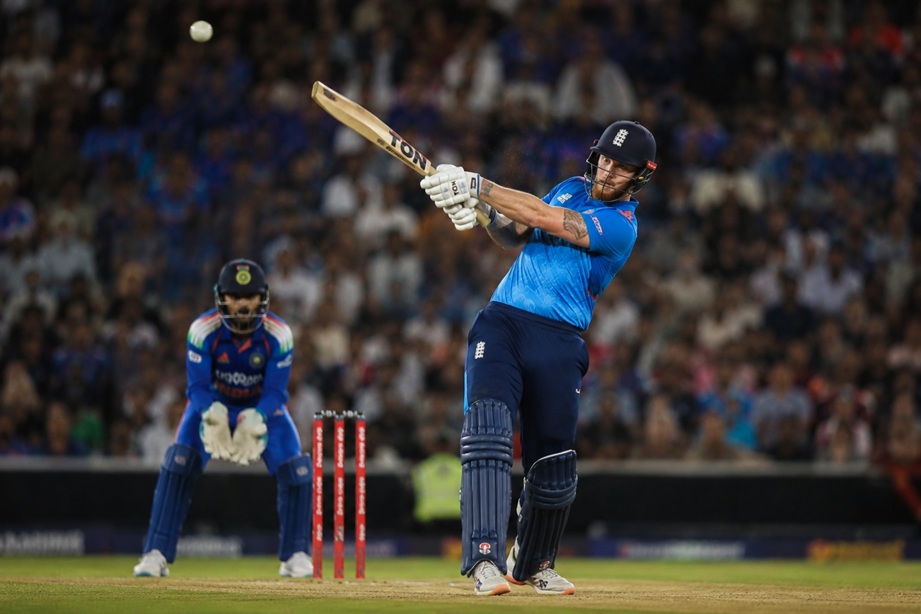
The 4th T20I highlights between England and India showcased modern T20 cricket at its peak from England’s viewpoint. Their disciplined bowling restricted India to a manageable score, while the batting performance from Harry Brook and Phil Salt transformed what could have been a competitive chase into a decisive victory.
For India, Shreyas Iyer’s composed innings offered some positive indicators, but one remarkable performance was insufficient to counterbalance England’s overall excellence. The visitors now aim to conclude the series on a high note, rebuild their confidence, and tackle the challenges that arose during this match.
Meanwhile, England has ample reason to rejoice. Their triumph in the series against one of the top T20 teams globally showcases not only exceptional individual performances but also a carefully implemented team approach. Should they maintain the same level of drive, belief, and strategic insight, they will head into future international events as prominent rivals.
As supporters reflect on the highlights of the 4th T20I between England and India, they will recall Harry Brook’s captaincy performance, Phil Salt’s smooth contributions, England’s focused bowling display, and yet another convincing win that emphasized the hosts’ superiority throughout the series. The game served as a reminder that in T20 cricket, momentum, execution, and bold intent frequently make the most significant impact at crucial moments.