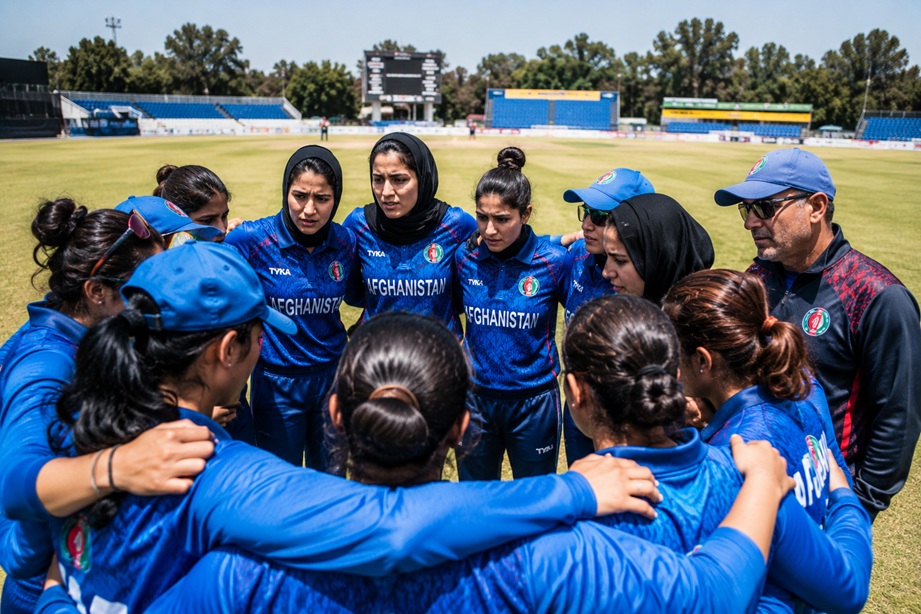

The aspiration of representing a team on the worldwide cricket platform appeared unattainable for numerous Afghan women compelled to leave their country. Nowadays, that aspiration has received a fresh boost following the International Cricket Council (ICC) sanctioning a comprehensive development plan aimed at guiding the refugee team towards ICC qualification opportunities by 2030. This choice signifies more than just a significant achievement in sports—it embodies optimism, strength, and the conviction that talent should not be overlooked despite hardships.
For many years, these athletes have persevered in their training amid their dislocation, adjusting to life in nations such as Australia, England, and Canada. Their dedication has garnered backing from cricket boards, coaches, and officials who contend that this group requires a formalized route back into the realm of competitive international cricket. Although obstacles persist, this new strategy offers the clearest guidance the squad has been provided since leaving Afghanistan.
ICC Establishes a Long-Term Strategy
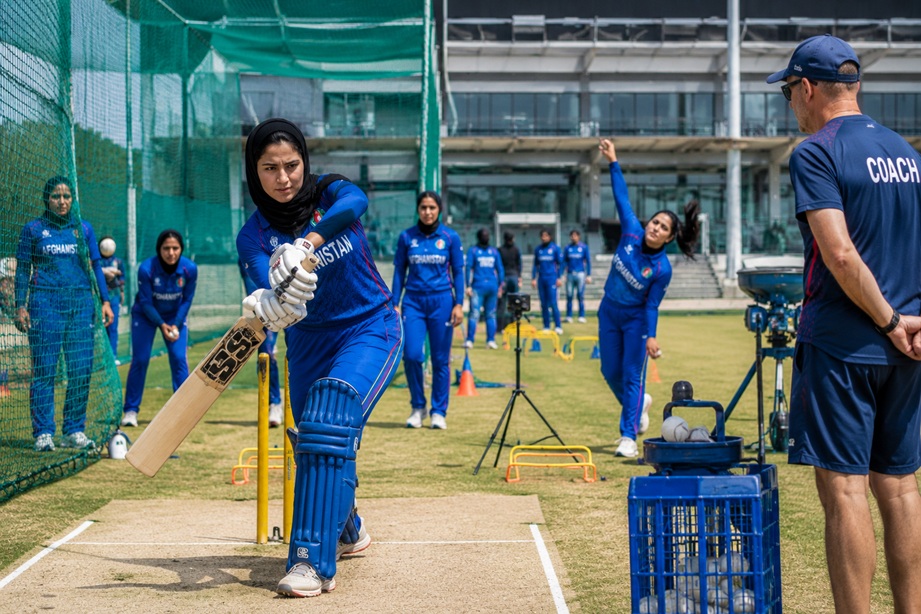
The ICC Annual Conference in Edinburgh represented a crucial moment for the refugee squad. Within the meeting, the governing body confirmed the ongoing support of its Development Pathway Programme and revived a Special Task Force tasked with overseeing the future advancement of the team. The plan intends to equip the squad for engagement in ICC qualification competitions by 2030 through systematic enhancements in coaching, match exposure, and competitive chances.
This initiative is distinct from earlier support efforts as it sets up quantifiable long-term goals rather than temporary relief. Officials are optimistic that this structured strategy will elevate the team’s proficiency over time while assuring ongoing development.
Significance of the Roadmap
For Afghan refugee women in cricket, the announcement signifies acknowledgment after years marked by doubt. A multitude of players fled Afghanistan following the political upheaval in 2021, forsaking not only their residences but also their sporting dreams.
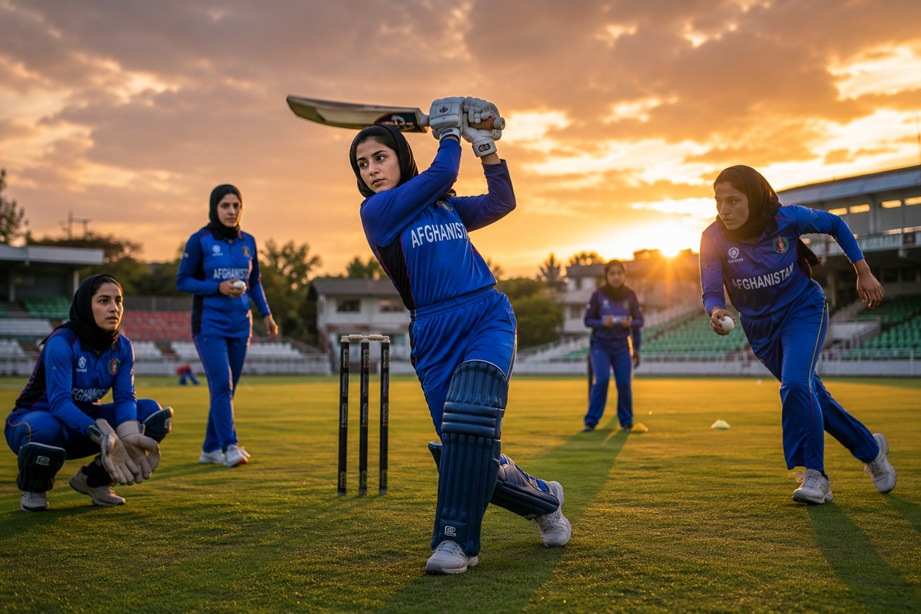
Instead of relinquishing cricket, they reconstructed their existence abroad and continued to train whenever the chance arose. Local leagues, community clubs, and international training camps have sustained their aspirations. The ICC roadmap now links these individual endeavors with an official trajectory towards premier competition.
The programme is underpinned by several goals:
- Consistent coaching from seasoned professionals
- Strength and conditioning assistance
- Access to physiotherapy
- Training camps abroad
- Competitive games against increasingly stronger rivals
- Long-term preparations for qualification events
These components are anticipated to enhance both technical capabilities and global experience over the next four years.
A Pathway Founded on Resilience
Each training session is intertwined with a profoundly personal narrative. Numerous team members were compelled to evacuate Afghanistan abruptly, transitioning across various countries before reconstructing their lives.
Cricket evolved into more than just a game—it transformed into a bond of identity, companionship, and hope.
Despite residing in different nations, the athletes have maintained their unity through organized camps and tours. Recent trips to India and England provided them the chance to train together again while competing against more formidable opponents. Such experiences have expedited their development and fostered team synergy ahead of prospective international contests.
The Role of the Special Task Force
Establishing Competitive Standards
The ICC’s Special Task Force has been assigned the duty of tracking the squad’s advancement.
Its tasks include:
- Creating competition pathways
- Organizing international tours
- Expanding coaching initiatives
- Reviewing player development
- Guaranteeing ongoing competitive growth
The task force comprises representatives affiliated with prominent cricket nations, along with newly appointed independent members, who introduce further expertise into the program.
Creating More Match Opportunities
Training is insufficient for preparing athletes for the international cricket scene. Regular competitive play is vital.
Thus, the roadmap highlights the need to gradually enhance the number of matches played. Instead of immediately competing against top-tier international teams, the team will advance through carefully selected opponents aligned with its current developmental needs.
This stepwise advancement alleviates pressure while enabling players to acquire significant experience in real match situations.
Support Beyond the Cricket Field
The program encompasses more than just training sessions and competitions.
Players continue to benefit from:
- Personal coaching within their local areas
- Physical fitness programs
- Mental health assistance
- Technical evaluation
- Professional guidance
As many athletes now reside in Australia, England, and Canada, integrating them into the local cricket infrastructure has become a crucial part of development. Community clubs and regional leagues offer consistent playing chances throughout the calendar year.
Challenges Still Ahead
Despite the positive outlook regarding the new roadmap, various major hurdles persist.
The refugee team will not operate under the Afghanistan Cricket Board as it lacks official support from that body. The ICC is instead seeking administrative frameworks that would enable players to take part internationally while adhering to the current governance structures.
Other challenges include:
- Limited experience in international matches
- Players scattered across several nations
- Ensuring consistent team readiness
- Developing competitive roster depth
- Nurturing younger talents for future teams
Each obstacle necessitates thoughtful planning over the upcoming years.
Inspiration for Women’s Cricket
The impact of Afghan refugee women’s cricket goes beyond merely qualifying for tournaments.
Globally, numerous young girls perceive these athletes as embodiments of resilience. Their journey illustrates that challenging situations do not have to mark the end of sporting aspirations.
Former international players and officials have consistently praised the team’s bravery and resolve, calling the initiative a significant advancement for women’s cricket worldwide and for inclusiveness in sports.
International Cricket Community Steps Forward
Assistance has emerged from various sectors of the cricketing community.
Cricket Australia, the England and Wales Cricket Board, and additional stakeholders have provided knowledge and opportunities enabling the refugee team to continue its advancement. Training camps set up in various countries have offered players exposure to higher quality coaching and competition.
Such collaboration illustrates how international governing bodies can unite to sustain sporting opportunities amid humanitarian challenges.
The ICC maintains that ongoing collaboration will be critical if the 2030 goals are to be achieved.
Development Through International Tours
One of the program’s notable advantages has been foreign tours.
Practicing together for extended periods assists players in:
- Enhancing communication
- Developing tactical insight
- Adapting to diverse playing conditions
- Cultivating leadership abilities
- Reinforcing team culture
Recent tours have already indicated measurable improvements in confidence and performance, as reported by coaches involved in the program. Continued exposure is anticipated to hasten progress prior to qualification events commencing.
Looking Toward 2030
The next four years will be pivotal.
Every training session, international camp, and competitive event plays a role in readying the team for qualification contests. Achieving success hinges not just on skill but also on steady investment, thorough planning, and continuous support from the international community.
The athletes have embraced the strategic plan as it finally provides a tangible goal. Rather than speculating about future opportunities, they now possess a clear destination and timeline that influence every phase of their training.
Why This Story Matters Globally
Sports frequently mirror the broader principles of society.
The advancement of Afghan women refugees in cricket illustrates how global organizations can forge opportunities for athletes who have been uprooted by conflict and political unrest. It also emphasizes the increasing dedication of cricket to fostering women’s involvement in every area.
The initiative underscores the significance of equal chances, perseverance, and worldwide collaboration beyond just trophies and qualifying competitions. Such ideas resonate far beyond the realm of cricket and continue to motivate supporters globally.

Conclusion
The ICC’s strategic vision signifies the most robust commitment to assisting Afghanistan’s refugee women in returning to significant international competition. By enhancing coaching, implementing structured development, broadening match exposure, and ensuring ongoing global support, the athletes now have a viable route to ICC qualification by 2030.
The path will undoubtedly be challenging. There are still competitive difficulties, logistical hurdles, and administrative issues to address. However, the resolve demonstrated by these players over recent years indicates they are ready to face all obstacles that lie ahead.
If the initiative maintains strong support, the aspiration that once appeared unattainable could evolve into one of cricket’s most remarkable success narratives by the decade’s conclusion.