

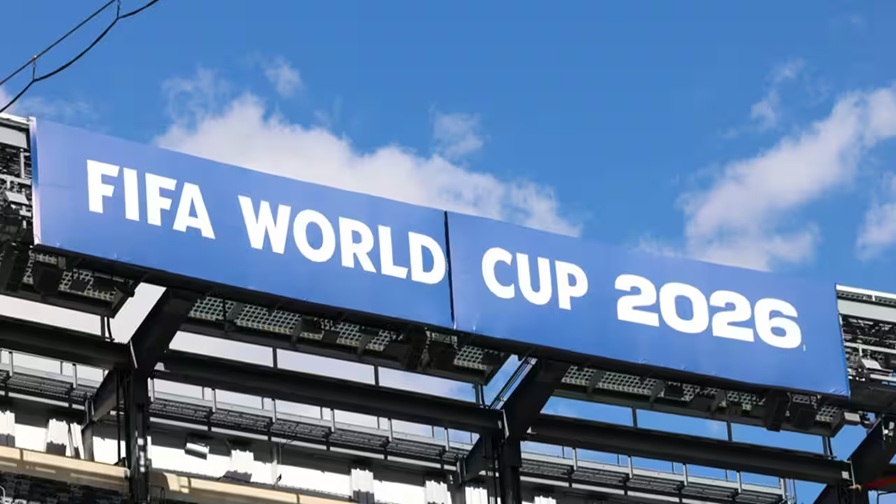
Fans of football around the world are now officially in the final phase before the largest tournament on Earth kicks off. The upcoming weeks are set to establish hopes, feelings, and news articles as cities strive to finalize their arrangements while followers hustle for tickets, travel arrangements, and places to stay.
This year’s event already seems distinct. Rather than concentrating solely on strategies, outstanding athletes, and forecasts, discussions surrounding the tournament have broadened to include politics, safety, pricing, travel limitations, infrastructure, and broadcast rights. The contemporary World Cup transcends a mere sports occasion. It has developed into a vast international venture involving governments, airlines, tourism agencies, streaming services, police forces, sponsors, and millions of traveling fans.
The magnitude is tremendous. The enlarged tournament structure entails additional teams, more venues, extra matches, and significantly increased logistical challenges compared to previous tournaments. Host cities are bracing for a substantial surge of international guests, while organizers persist in assuring fans that transport networks, stadiums, accommodations, and safety protocols will be in place prior to the starting whistle.
Simultaneously, excitement remains exceptionally high. Football fans still envision unforgettable instances, thrilling goals, emotional celebrations, and the chance to witness history as it happens. This emotional pull is the reason why the World Cup continues to capture international interest despite the controversies that surround it.
Recent news indicates that interest in tickets has hit remarkable levels, with millions of requests submitted globally. FIFA officials are optimistic that the tournament might become one of the most viewed sporting events ever, thanks to the increased number of participating countries and wider global involvement.
Why This Tournament Feels Different
Each World Cup comes with its own excitement, but this iteration bears a unique blend of eagerness and apprehension. Fans are excited about the chance to see top players competing across different nations, but there is also concern regarding expenses, crowd control, transport, and geopolitical issues.
The larger format of the tournament opens doors for smaller footballing nations to compete at the most significant level. This leads to greater representation from developing football regions and more chances for unexpected storylines. Countries that once found it challenging to qualify now have viable opportunities to participate and motivate their fans.
Nevertheless, the expansion puts more pressure on the organizers. More teams inevitably mean a higher demand for hotels, training facilities, transportation infrastructures, stadium personnel, volunteer management, and security measures. Multiple host committees have acknowledged that organizing an event of this size necessitated years of preparation and ongoing collaboration between local governmental bodies and FIFA officials.
The Role of Technology
Another significant change is the role of technology. Modern fans demand:
- Real-time updates
- Efficient digital ticketing
- Mobile travel details
- High-definition streaming access
Organizers are no longer just overseeing stadiums; they are facilitating an entirely connected global entertainment experience.
Social media has also amplified oversight. Each transportation issue, pricing grievance, scheduling conflict, or stadium problem instantly turns into a worldwide dialogue. In past tournaments, controversies might have taken days to gain international attention. Today, a single viral clip can influence global perceptions within moments.
Ticket Prices Spark Debate
One of the primary discussions surrounding the month-long World Cup countdown has focused on the expense of attending games. Supporters and fan organizations have voiced their discontent with what they perceive to be exorbitant pricing strategies for prominent matches.
Reports suggest that prices for certain final-match tickets have reached remarkable levels compared to earlier competitions. Football Supporters Europe formally criticized the ticket pricing system, arguing that it effectively excludes regular fans from experiencing live matches in the stadium.
For numerous fans, participating in the World Cup has typically symbolized a once-in-a-lifetime aspiration. Families save for years in anticipation of seeing their national team compete on the sport’s grandest platform. When ticket costs escalate sharply, supporters worry that the stadium atmosphere might shift from enthusiastic local attendees to affluent corporate spectators.
Despite the backlash, organizers assert that demand is still remarkably high. FIFA officials have reportedly received millions of requests for tickets, indicating that global enthusiasm for the event continues to be immense.
The controversy over pricing underscores a broader challenge faced in contemporary football. The sport is financially thriving, luring in considerable sponsorships, media agreements, and commercial collaborations. However, many fans feel that everyday supporters are being increasingly marginalized from experiencing the highlights of the sport.
Public Fan Zones
Several host cities are attempting to address this situation by creating public fan zones so that individuals without tickets can still view matches on large screens. These gatherings often transform into celebrations, fostering lively environments filled with:
- Music
- Food
- Cultural displays
Host Cities Under Pressure
In recent months, preparations within host cities have rapidly accelerated. Local governments are working diligently to:
- Enhance transportation systems
- Boost hotel capacities
- Finalize crowd management strategies
- Complete beautification initiatives
Kansas City officials recently announced that supporters from over 100 countries had already signed up for local fan activities, showcasing the tournament’s truly worldwide allure. Organizers have also confirmed comprehensive planning involving buses, ride-share arrangements, airport synchronization, and emergency weather protocols.
Large-scale sporting events create immense stress on infrastructure. Airports must accommodate high passenger volumes, roadways encounter congestion challenges, and public transport networks need to function effectively for weeks without major interruptions.
Security Measures
Security measures have gained heightened significance. Authorities are preparing for various scenarios, ranging from:
- Cyber threats
- Crowd surges
- Severe weather events
Insights gained from past tournaments and international events are informing preparations across several venues.
Numerous cities have initiated training programs for volunteers and hospitality personnel to enhance visitor experiences. These workers often represent the tournament for traveling fans, making their contributions crucial.
Local businesses are also gearing up for significant economic opportunities. Hotels, eateries, bars, retail shops, and tourism firms expect considerable increases in patronage during the duration of the tournament.
Nonetheless, worries about affordability persist. In some areas, hotel rates have already soared in anticipation of demand. Fans trying to plan their travel are finding that costs for transportation and lodging can swiftly exceed their initial budgets.
Broadcasting Challenges Create Uncertainty
Television and streaming rights are still a significant issue as the World Cup approaches in one month. Networks realize that this event captures a vast international audience, yet negotiations can become intricate due to conflicts related to programming, advertisement, and pricing expectations.
It has been reported that several key markets were still facing uncertainties regarding broadcasting rights due to disagreements about pricing and scheduling issues.
This scenario is important because today’s fans engage with football through various channels. While classic television continues to hold value, streaming platforms, mobile apps, and online highlights have also taken on major roles.
Viewing statistics may also be influenced by late-night game times in specific areas. True football fans may remain attentive no matter the timing, but it is harder to keep less committed viewers interested when games are played at inconvenient hours.
Networks Are Expected To Offer
- Tactical analysis programs
- Documentaries revealing behind-the-scenes insights
- Interviews with players each day
- Content that engages fans interactively
- Live statistics and graphical representations
- More options for commentary in various languages
Streaming services are particularly keen to capture the interest of younger audiences who are increasingly favoring mobile viewing over conventional television.
The rivalry for online engagement has turned sports broadcasting into a more expansive entertainment contest. Businesses are no longer just airing football games; they are creating complete media ecosystems around them.
Political Tensions Surround the Event
The worlds of politics and football have long been intertwined, yet this tournament emerges amidst considerable geopolitical instability.
Numerous global organizations and observers have expressed worries regarding:
- Immigration policies
- Diplomatic disputes
- Safety concerns pertaining to the nations involved
A delicate matter involves how governments handle the arrival of international fans into their territories. The processes of visa approvals, border security, and safety screenings could significantly influence the travel experiences for countless supporters.
Another issue pertains to the international disputes involving the nations taking part. Experts suggest that event organizers are keen to ensure that political strife does not overshadow the sport itself.
Traditionally, significant sporting events serve as symbolic global gatherings, allowing nations to momentarily shift their focus to competition and cultural festivities instead of discord. Whether this festive atmosphere can be fully realized this time is still in question.
Authorities continue to stress the importance of unity, diversity, and cooperation on a global scale. Nonetheless, detractors maintain that the current political climate cannot be overlooked.
For numerous fans, the ideal situation is straightforward: an enjoyable event where football takes center stage as soon as the matches commence.
The Expanded Tournament Format
A key modification this year is the increased format that includes more teams participating than ever before.
Enthusiasts from emerging footballing nations view the revamped structure favorably because it enhances chances for global representation. Smaller countries that previously faced daunting qualification hurdles now have attainable opportunities to compete on an international platform.
A larger field also results in more unpredictable matchups. Fans may see:
- New rivalries
- Surprising underdog narratives
- Athletes from lesser-known leagues gaining international acclaim
Conversely, some critics express concerns about the potential for congested schedules and player exhaustion. Top footballers are already engaged in busy club seasons that incorporate domestic leagues, continental tournaments, and international games.
Health specialists and former athletes have consistently highlighted the dangers of burnout. Extended travel across host cities may introduce additional challenges during the tournament.
Tactical Impact
Coaches are likely to manage their rosters wisely, particularly in the group stages. Teams with more extensive reserves may enjoy significant advantages as the competition advances.
The new format might also influence tactical approaches. Weaker teams could implement defensive strategies against more powerful rivals, whereas stronger nations may focus on managing their squads rather than aggressive plays in initial rounds.
However, unpredictability is a key reason fans are passionate about the World Cup. Every tournament brings unexpected outcomes, rising stars, and unforgettable moments that take everyone by surprise.
Star Players Ready for the Spotlight
While organizational issues currently dominate the news, the sport itself will soon take center stage.
Fans are already engaged in discussions about which players could leave a mark on the tournament. Renowned stars will strive to solidify their legacies, while younger prospects aim to make their names known on the global stage.
International competitions frequently create football legends. A single extraordinary goal, a stunning save, or a game-winning performance can forever alter a player’s career trajectory.
The stakes are high since the World Cup represents emotional weight beyond that of regular club football. Athletes embody entire nations, and millions of fans become deeply invested in every outcome.
Numerous prominent teams are entering the competition as leading contenders, based on assessments from experts and betting houses. Title defenders, renowned European clubs, and rising football nations are all anticipated to vie for the championship.
Coaches are now diligently observing the health of their players in preparation for the final squad selections. Injuries sustained during domestic leagues could significantly reshape expectations for certain countries.
Fans Are Excited About
- Emerging young forwards making their World Cup debut
- Experienced players possibly concluding their international careers
- Strategic showdowns among top coaches
- Possible surprising advances from lesser-known nations
- Historic rivalries reemerging on a worldwide platform
Once the first whistle blows, much of today’s discussions outside the pitch could swiftly become secondary to the excitement occurring within the arenas.

Fan Culture Will Shape the Atmosphere
The World Cup encompasses much more than just the games. It represents a blend of:
- Culture
- Feeling
- Music
- Identity
- Community
Traveling fans add one of the tournament’s most unforgettable aspects. Streets are transformed into vibrant displays of national flags, chants, face painting, and impromptu festivities.
Cities hosting the event are gearing up with cultural celebrations, concerts, food markets, and public viewing areas meant to greet global visitors. Organizers recognize that the experiences fans have outside of the stadiums hold equal significance.
Numerous fans dedicate years to saving specifically for the chance to participate in the event. For them, the competition signifies adventure as much as it does football.
Distinct fan cultures contribute unique flair to the occasion. Supporters from South America often introduce lively singing and dancing, European fans share time-honored football customs, while new football nations frequently come filled with excitement and curiosity.
Security personnel are striving to keep these festivities safe and orderly. Effective crowd control measures will be essential, particularly in densely populated fan areas.
Social media posts from traveling fans are anticipated to dominate online platforms during the event. Memorable celebrations, heartfelt responses, and cultural sharing often become defining moments in World Cup lore.
Economic Stakes Continue Rising
The financial magnitude of the tournament is hard to underestimate.
Experts estimate that the event could produce billions of dollars through:
- Tourism
- Sponsorships
- Broadcastings
- Advertising
- Hospitality
- Merchandising
FIFA itself looks forward to significant financial returns tied to the event.
Cities hosting the tournament anticipate that it will yield lasting economic advantages by boosting tourism visibility and fostering future investments.
Restaurants, hotels, transport services, airlines, and retailers are prepping for significant surges in customer demand. Some airports have already updated their flight schedules to accommodate the increase in passenger numbers.
Nevertheless, skeptics question whether the promised economic benefits truly align with expectations. Major sporting events often necessitate substantial infrastructure investments, and some analysts argue that anticipated financial benefits can be overly optimistic.
Regardless, governments and organizers generally perceive the World Cup as a chance to present their cities to global audiences.
For sponsors and ad agencies, the tournament provides unparalleled exposure. Worldwide brands make considerable investments, given that billions of viewers interact with World Cup-related content via television, streaming services, and social media.
This commercial reality partly clarifies why the competition continues to expand with each iteration.
Security and Safety Remain Top Priorities
The planning of security measures is arguably the most critical operational issue confronting organizers.
Contemporary sports events require intricate collaboration among:
- Law enforcement
- Intelligence agencies
- Cybersecurity specialists
- Transport authorities
- Emergency response teams
Officials are gearing up for several possible situations, such as overcrowding, harsh weather conditions, cyber threats, and medical crises. Numerous organizing committees have allegedly dedicated years to perfecting backup strategies.
Technology in Stadium Safety
Advancements in technology have become crucial for ensuring safety at sports arenas. Increasingly prevalent are:
- Facial recognition technologies
- Digital ticket checks
- Surveillance systems
- AI-driven tools for monitoring crowds
Fans typically accept more rigorous security protocols as concerns for safety remain paramount during international gatherings with large audiences.
Simultaneously, event coordinators must find the right balance between ensuring security and providing an enjoyable experience for attendees. Long waits, unclear protocols, or traffic jams can irritate guests and undermine the festive atmosphere of the tournament.
Planning for adverse weather has also become a pressing issue. Some locations hosting the event might face extreme heat or unexpected storms during the time of the tournament.
Thus, effective emergency communication systems will be vital for updating attendees regarding changes in transportation, delays at venues, or evacuation steps if required.

What Comes Next?
The month leading up to the match launch will pass with remarkable speed.
Teams will wrap up their training sessions, managers will reveal their selected players, sponsors will initiate bold marketing pushes, and fans will finalize travel arrangements. Stadium practice, volunteer training, and transport trials will ramp up as organizers strive to eliminate any operational flaws prior to the inaugural ceremony.
Media focus will continue to intensify. Every report on injuries, ticket issues, diplomatic incidents, and strategic planning will attract headlines.
Yet, amid all the commotion, football fans remain fixated on a singular aspiration: witnessing unforgettable games.
This emotional bond is precisely what makes the one-month countdown to the World Cup so significant. The tournament symbolizes:
- Hope
- National pride
- Competition
- Entertainment
- A shared global experience
Certain supporters are eagerly counting down the days until their country’s initial game. Others are arranging long-distance travel plans, gathering jerseys, organizing viewing parties, or speculating on which players will emerge as the heroes of the tournament.
Regardless of how intricate the preparation stages become, the enchanting spirit of the World Cup persists.
Once the opening ceremony commences and the initial whistle resonates throughout the arena, months of contention and discussions could seamlessly fade into the background. Football has an innate talent for fully capturing attention.
The weeks ahead will reveal if event planners can successfully convert lofty expectations into a seamless worldwide showcase. Supporters hope that the coverage will eventually transition away from politics, costs, and logistics towards thrilling matches, remarkable goals, and heartwarming moments that characterize every memorable World Cup.
Conclusion
The one-month countdown to the World Cup has officially intensified global excitement, with fans, teams, and organizers preparing for football’s biggest spectacle. Despite ongoing discussions around ticket prices, logistics, politics, and security, the anticipation for unforgettable matches and historic moments continues to grow. As host cities finalize preparations and supporters eagerly await kickoff, the tournament promises to unite millions through passion, culture, and competition. Once the first whistle blows, the focus will shift entirely to the magic on the pitch, where new heroes, dramatic rivalries, and unforgettable memories are ready to unfold.