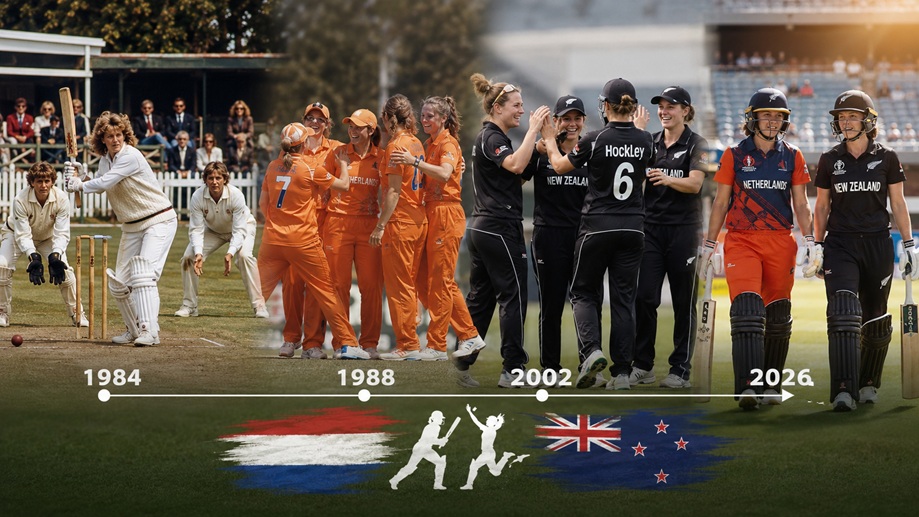

The narrative surrounding Netherlands Women and New Zealand Women does not depict a longstanding bilateral contest in the contemporary sense. Instead, it presents a more captivating account: a history of sporadic matchups that commenced while Dutch women’s cricket was still forming its global presence, and New Zealand was already a recognized powerhouse. From their initial confrontation in Haarlem in 1984 through to their last acknowledged ODI encounters in 2002, the teams have faced each other during significant tournaments and in a brief bilateral series.
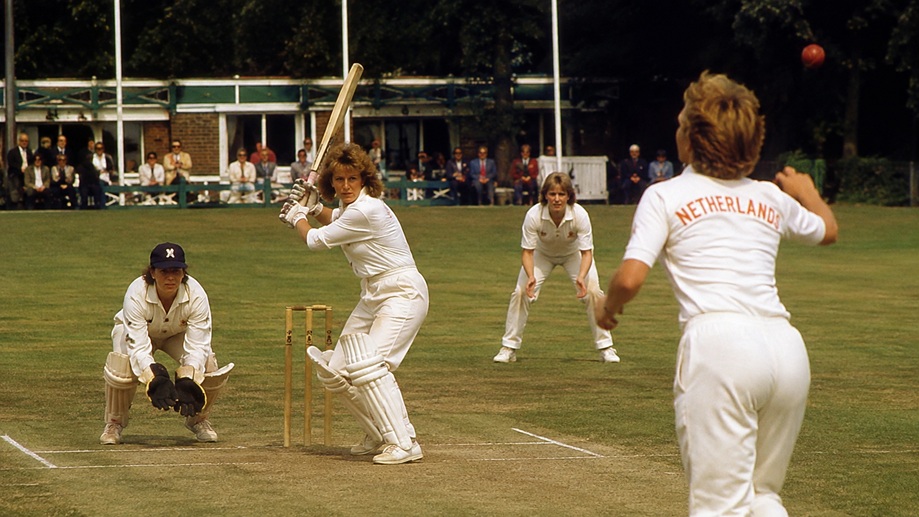
The rivalry begins in 1984
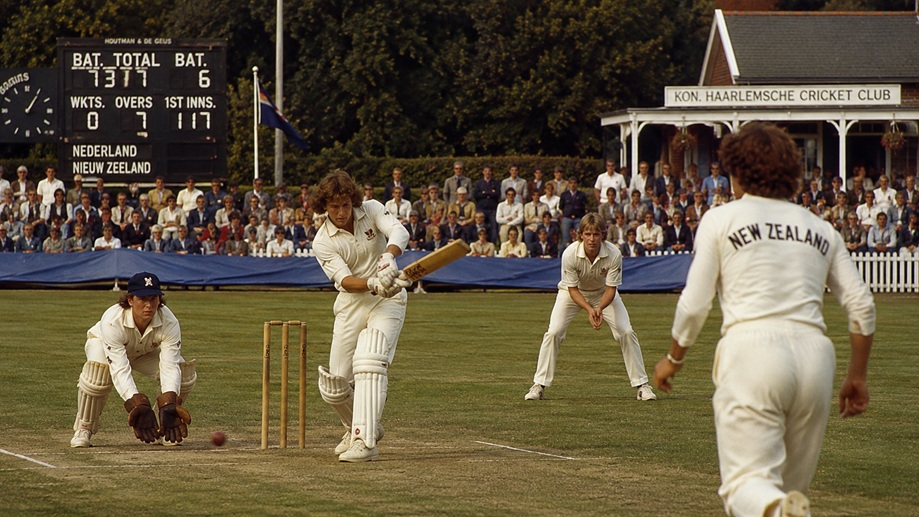
The Netherlands made a memorable entry into the recorded ODI history. On 8 August 1984, they competed against New Zealand at Sportpark Koninklijke HFC in Haarlem as part of the Nederlandsche Dames Cricket Bond’s 50th Anniversary Tournament. This match marked the first full international contest for the Netherlands, adding significance beyond just the final score. New Zealand arrived with a wealth of international experience, led by captain Debbie Hockley, as they were engaged in a broader tour of England and the Netherlands.
- The Dutch team scored 117 runs for 9 wickets.
- New Zealand triumphed by 67 runs.
- The match took place at Sportpark Koninklijke HFC in Haarlem.
- It was part of the Nederlandsche Dames Cricket Bond’s 50th Anniversary Tournament.
- The match marked the first full international contest for the Netherlands.
Although the outcome was clearly favorable for New Zealand, the significance of the event was considerable: the Netherlands made its ODI debut against a team rich in international cricket history.
Consequently, 1984 serves as the logical point of origin for this historic encounter. It was more than just another match; it was the instant the Netherlands entered the official ODI narrative.
A significant first international
The 1984 match also illustrates the varying degrees of development between the two teams. New Zealand had already engaged in Test matches and ODIs with opponents like England, Australia, and India. In contrast, the Netherlands were embarking on their inaugural journey into full ODI participation.
Players like Babette van Teunenbroek and Chantal Grevers were part of this groundbreaking Dutch roster. Van Teunenbroek scored 14 runs in the match, while Grevers took one wicket. Although these individual performances may seem modest today, they are integral to a pivotal moment in the history of women’s cricket in the Netherlands.
1988 World Cup: the gap becomes clearer
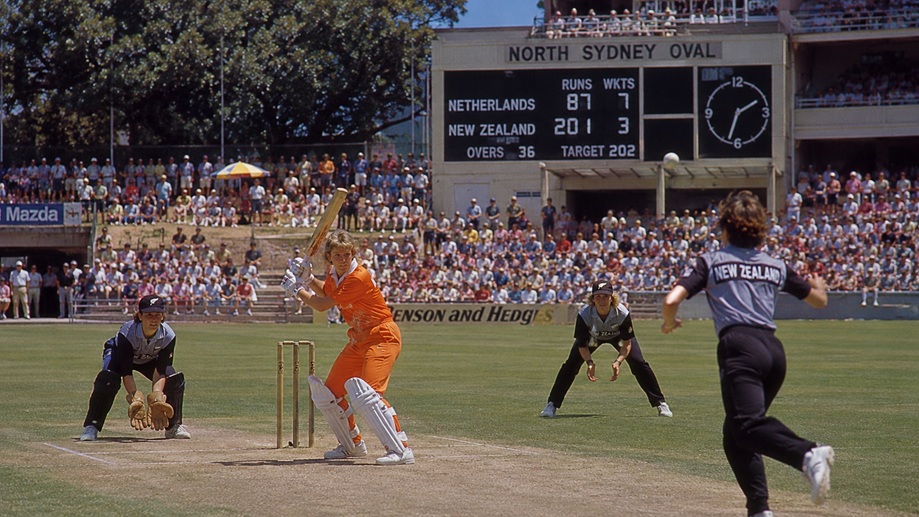
The tale of Netherlands Women and New Zealand Women advanced significantly with the arrival of the 1988 Women’s World Cup held in Australia. The teams faced one another on two occasions, first on 4 December at North Sydney Oval, followed by a second match on 13 December at Carey Grammar School Oval in Melbourne.
These encounters highlighted the disparities in batting strength and experience. In the match at Sydney, New Zealand scored 297 runs for 5 wickets, whereas the Netherlands managed only 87 runs. New Zealand achieved a comfortable victory. In Melbourne, they again showcased their dominance, accumulating 255 runs for 2 wickets against the Dutch total of 78.
The 1988 World Cup holds particular significance as it transformed a singular match from 1984 into a recurring tournament fixture. The official records indicate that during this competition, the Netherlands faced New Zealand on two separate occasions.
The 1988 World Cup serves as a prominent illustration of how the rivalry showcased the broader disparity in the development of women’s cricket at that time. New Zealand had already produced internationally recognized players, whereas the Netherlands were still in the process of making a name for themselves at the highest competitive levels.
1993 World Cup: another encounter
The two teams faced each other once more during the 1993 Women’s World Cup held in England. This match took place at Lindfield Common on the 25th of July, with both sides participating in a tournament that featured a larger array of international women’s teams.
The importance of this game lies in its evidence that the Netherlands continued to be involved in the international tournament scene, despite facing challenges against top-tier teams. Conversely, New Zealand persisted as a consistent contender in World Cup events.
1997 World Cup: a rain-shortened match
The Women’s World Cup of 1997/98 in India presented yet another encounter in this sequence of events. On December 11, 1997, the Netherlands went up against New Zealand at the Mohan Meakins Cricket Stadium located in Ghaziabad.
Due to rain, the match was limited to 20 overs for each team. The Netherlands suffered a collapse, getting all out for only 48 runs, while New Zealand easily chased down the target, scoring 49 runs for 2 wickets in just 8.1 overs, thus winning by eight wickets. Debbie Hockley contributed with a score of 20, while the bowlers from New Zealand applied relentless pressure on the Dutch lineup.
This game serves as a crucial reminder that historical scorecards need to be interpreted with context. Since it was not a complete 50-over match, comparing the aggregate scores with those from longer games can be misleading. The weather influenced the match conditions, and the abbreviated format made it even more critical for teams to achieve quick starts and maintain disciplined bowling.
2000 World Cup: the Christchurch chapter
The subsequent encounter between the Netherlands Women and New Zealand Women occurred during the 2000/01 Women’s World Cup in New Zealand. On December 6, 2000, the teams faced off at Hagley Park No. 2 in Christchurch.
An official record of World Cup matches shows that between 1988 and 2000, there were five encounters between the Netherlands and New Zealand, with New Zealand triumphing in all of them.
Christchurch marks the conclusion of the World Cup era in this narrative. However, it was not the last matchup overall.
2002: the most concentrated series
The most significant direct rivalry in the history of the Netherlands Women against the New Zealand Women took place in June 2002, when New Zealand visited the Netherlands for a series of three One Day Internationals.
The opening game was held at Sportpark Maarschalkerweerd in Utrecht on June 25. New Zealand set a score of 245 for 7, while they bowled out the Netherlands for just 76, securing a victory by 169 runs. Kate Pulford earned the Player of the Match title.
The second One Day International occurred at the VRA Ground in Amstelveen on June 26. New Zealand once more achieved a large score and won by 248 runs. Kate Pulford scored 95 runs, and the Netherlands struggled to match the strength of New Zealand’s batting line-up.
The final One Day International took place back in Utrecht on June 28. New Zealand emerged victorious with a margin of 210 runs, with Helen Tiffen contributing 87 runs, also being awarded Player of the Match. Thus, the three-match series concluded with a complete victory for New Zealand.
This brief tour is likely the most significant aspect of their competitive history. Rather than just a single World Cup match, fans were able to witness three games within four days, providing the Dutch team with valuable experience against a top-tier opposition.
What the head-to-head record tells us
The historical data reveals a distinct trend: New Zealand has been victorious in the main One Day International encounters between the two teams. The record solely concerning World Cup matches indicates five matches from 1988 to 2000, and New Zealand won each one. The broader One Day International history also includes the 1984 matchup and the three-game series in 2002.
This situation makes the encounters between Netherlands Women and New Zealand Women unique. It does not revolve around repeated nail-biting finishes. Instead, it showcases the growth of a developing cricket nation competing against a well-established international team.
Important head-to-head milestones
- 1984: The Netherlands’ initial ODI against New Zealand in Haarlem.
- 1988: Two World Cup encounters held in Australia.
- 1993: Another World Cup match at Lindfield Common.
- 1997: A rain-reduced World Cup game in Ghaziabad.
- 2000: World Cup clash at Hagley Park in Christchurch.
- 2002: A series of three ODIs in the Netherlands.
Why 1984 to 2026 still matters
Referring to the timeline from 1984 to 2026 may imply an ongoing rivalry, but the records indicate a more complex narrative. The significant matches mainly took place between 1984 and 2002. By 2026, the historical importance lies in comprehending the meaning of those games rather than suggesting that the teams engaged in a consistent series of matches.
For the Netherlands, the early contests were crucial in their journey toward global recognition. The first ODI against New Zealand was a significant achievement, followed by World Cup participation and additional international contests.
For New Zealand, these games are part of a broader narrative in the global realm of women’s cricket. The White Ferns had already established themselves as a significant international team, and their performance against the Netherlands showcased that level of expertise.
The series from 2002 holds particular significance as it highlights the extent of the gap present during that period. New Zealand achieved victory in all three games by considerable margins, however, consistent competition against formidable opponents is also essential for the growth of emerging teams.
A historical rivalry with greater implications
Reflecting on these encounters, it is fascinating to see how they represent the growth of women’s cricket.
The Netherlands began its journey into ODI cricket in 1984, and by 1988, they were competing in the World Cup. They participated in the World Cup again in 1993, 1997, and 2000, crossing paths with New Zealand during those tournaments. In 2002, they also organized a series of three ODIs against New Zealand.
Netherlands Women New Zealand Women: legacy through 2026
As of 2026, the historical record between Netherlands Women and New Zealand Women serves as an insightful overview of two distinct trajectories in cricket. The women’s team from New Zealand evolved into one of the top squads on the international frontline, while the women’s cricket pathway in the Netherlands saw a less consistent engagement with the elite level.
Consequently, the direct encounters are better remembered as individual stories rather than a sustained rivalry. From Haarlem in 1984 to the Dutch series in 2002, these matches illustrate the Netherlands’ gradual integration into international cricket alongside New Zealand’s role as a seasoned rival.
For individuals studying the encounters between Netherlands Women and New Zealand Women, the timeline presents a straightforward yet significant conclusion: the history commenced with a pivotal ODI debut for the Dutch, progressed through various World Cups, and culminated in a concentrated period of action during the three matches in 2002. The subsequent years leading to 2026 provide further context, but the essential narrative of their head-to-head competition was crafted during those earlier years.
Conclusion
The narrative of Netherlands Women competing against New Zealand Women is less a typical rivalry and more a reflection of the progress in women’s cricket. Starting with the historic ODI debut of the Netherlands in Haarlem back in 1984, and extending through their World Cup clashes in 1988, 1993, 1997, and 2000, New Zealand has consistently shown their prowess on the international scene.
The three-match ODI series held in the Netherlands in 2002 marked the most intense period of their rivalry, where New Zealand emerged victorious in all encounters with considerable margins. These matches underscored the disparity between a well-established international team and an emerging cricketing nation, while also providing the Dutch players with essential experience against top-tier competitors.
As we move towards 2026
As we move towards 2026, the significance of this historical context becomes apparent. The games symbolize the Netherlands’ attempts to make a name for themselves globally and New Zealand’s enduring presence among the foremost teams in women’s cricket. Even though a continuous modern rivalry hasn’t developed between the two teams, their matches remain a significant element of the historical timeline of women’s cricket spanning from 1984 to 2026.