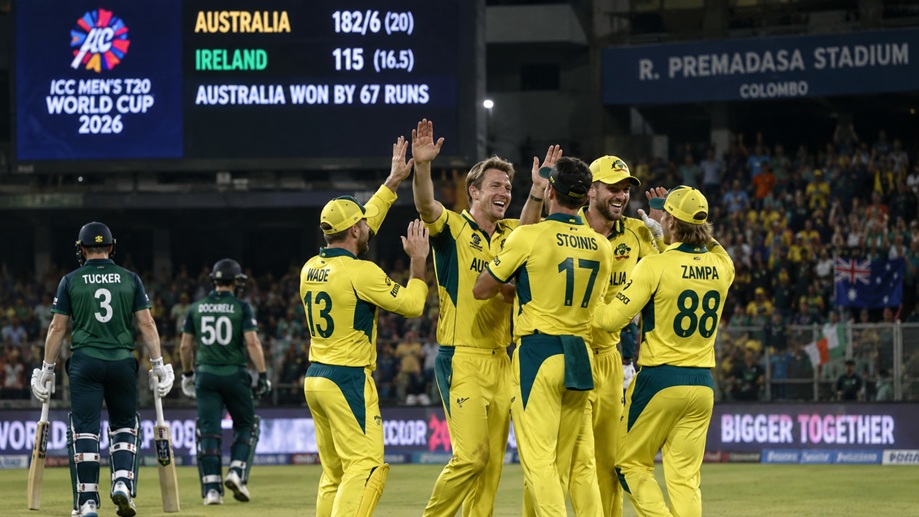

The Ireland Australia 2026 Scorecard highlights a decisive triumph for Australia in the ICC Men’s T20 World Cup 2026. With a formidable all-around effort, Australia set a target of 182/6 in their allotted 20 overs and then limited Ireland to 115 runs in just 16.5 overs.
The 67-run margin underscored Australia’s dominance throughout both innings. Their batting lineup generated a solid score, while the bowling unit consistently dismissed Irish players, thwarting any chance for a serious pursuit of the target.
Nathan Ellis was named Player of the Match, significantly contributing to Australia’s success. Ireland demonstrated some fighting spirit during their innings, primarily through George Dockrell and Lorcan Tucker, yet they were unable to gain the forward momentum necessary to contend with Australia’s score due to frequent wickets.
Taking place at the R. Premadasa Stadium, this match was a key battle in the group stage of the tournament, with both teams aiming to enhance their standings. Ultimately, Australia showed why they continue to be a major threat in the realm of international white-ball cricket.

Ireland Australia 2026 Scorecard: Match Summary
Here are crucial highlights from the match:
- Tournament: ICC Men’s T20 World Cup 2026
- Match: Australia vs Ireland
- Venue: R. Premadasa Stadium
- Australia: 182/6 in 20 overs
- Ireland: 115 all out in 16.5 overs
- Result: Australia won by 67 runs
- Player of the Match: Nathan Ellis
Australia’s total of 182 provided them with a solid foundation while Ireland required a mixture of aggression and control in their chase to remain competitive. However, Australia’s bowlers capitalized at critical junctures, ensuring the run rate continued to escalate.
Australia Established the Pace With 182/6
Australia’s innings emphasized the necessity of applying pressure across all 20 overs. Although a score of 182 was not unattainable for Ireland, it was significant enough to compel the chasing team to take risks.
In T20 matches, reaching a score in this range can offer a psychological edge even before the second innings get underway. Ireland understood they needed to achieve over nine runs per over, allowing Australia to adopt more aggressive field setups and bowling strategies.
Additionally, this score provided Australia’s bowlers with a valuable cushion for mistakes. Instead of being forced to deliver a perfect ball every time, they could challenge Ireland’s hitters to take chances.
Importance of Australia’s Total
As the match unfolded, the significance of Australia’s 182/6 became increasingly apparent. For Ireland’s chase to succeed, a solid opening partnership was essential, but Australia’s bowlers effectively obstructed the Irish top order from gaining dominance.
Chasing a target of 183 necessitated frequent boundaries and a strong scoring pace. As wickets began to fall, Ireland found themselves struggling to balance the need to protect their remaining batters while still pursuing runs.
Australia adeptly exploited this scenario. Their bowlers kept up the pressure, causing Ireland to fall progressively behind the needed scoring rate.
Thus, the Ireland Australia 2026 Scorecard illustrates more than just the final figures. It reveals how Australia’s initial total had a significant impact on virtually every decision made by Ireland during their chase.
Ireland’s Chase Begins in Challenging Conditions
As Ireland began their second innings, they recognized that an aggressive start was crucial. Faced with a formidable Australian bowling lineup, losing early wickets could quickly turn a challenging target into one that may be insurmountable.
The Irish batting order had difficulty forming the necessary partnerships for a fruitful chase. Harry Tector, a key player in Ireland’s batting lineup, was out for just 3 runs, with other dismissals further disrupting the rhythm of the innings.
Lorcan Tucker offered some resistance by scoring 24 runs off 27 deliveries, trying to keep Ireland competitive. Nevertheless, maintaining the required run rate proved to be a significant obstacle.
The bowlers from Australia knew that Ireland couldn’t afford to just play it safe with singles. This enabled the fielding team to apply pressure and patiently wait for mistakes to occur.
Tucker’s Determined Performance
Tucker’s innings comprised 24 runs, bolstered by a boundary and a six. His performance illustrated Ireland’s resolve to fight on despite escalating pressure.
However, successful T20 chases greatly rely on maintaining momentum. Ireland required one or two strong partnerships to generate quick runs, but Australia’s bowlers consistently managed to take wickets.
Tucker was eventually caught by Adam Zampa while trying an aggressive shot. This wicket represented another crucial moment as Ireland was already finding it difficult to keep up with the target score.
George Dockrell Delivers Ireland’s Staunch Effort
In the innings, George Dockrell emerged as Ireland’s top scorer, notching up 41 runs from 29 balls. His innings featured three boundaries and two sixes, providing a moment of joy for Irish fans.
Dockrell seized opportunities when they arose and sought to close the widening gap between the required and actual run rates. His strike rate mirrored the urgency of the circumstances.
Still, one batsman alone cannot achieve a challenging chase. Ireland required assistance around Dockrell, but the Australian bowling attack stifled the formation of a lasting partnership.
The Ireland Australia 2026 Scorecard marks Dockrell’s performance as the highlight for Ireland, even if the team ultimately fell significantly short of the target.
His innings proved especially vital as it indicated that Australia’s total was attainable. Ireland’s challenge lay in identifying several batsmen capable of generating similar momentum.
Nathan Ellis Makes the Greatest Contribution
Nathan Ellis earned the Player of the Match title after significantly influencing Australia’s win. His performance ensured that Australia kept the upper hand while Ireland sought openings to speed up their scoring.
Ellis has established himself as a formidable bowler in white-ball cricket, particularly due to his variations and ability to perform under pressure.
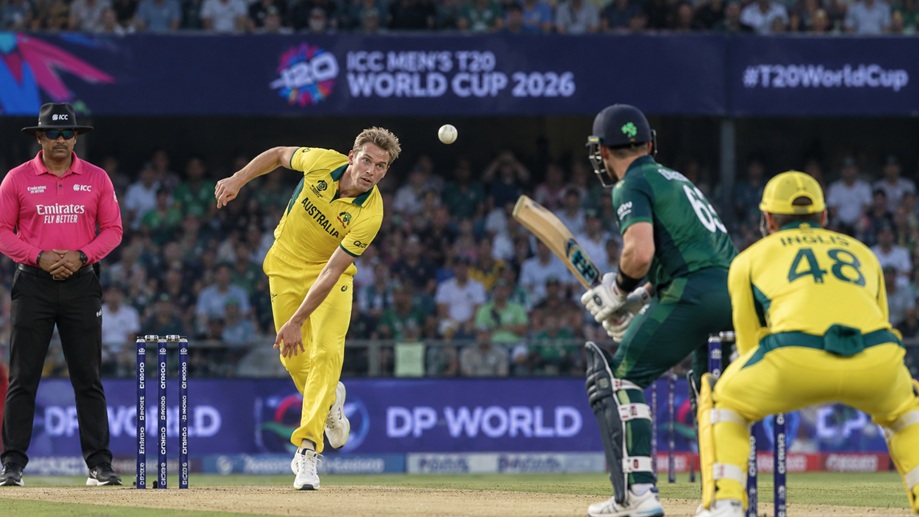
During the match against Ireland, although Australia’s bowlers functioned well as a team, Ellis’s contributions were especially noticeable for their effect on the outcome. His knack for taking wickets hindered Ireland from forming the partnerships necessary for a successful run chase.
The Player of the Match recognition highlighted the significance of his role in a game where Australia was dominant during the second innings.
Australia’s Bowling Tactics Prove Effective
Australia’s bowlers entered the chase with a clear understanding of the circumstances. With a target of 182 runs to defend, they were not pressured to pursue wickets carelessly.
Instead, the bowlers capitalized on the scoreboard pressure established during the first innings. Ireland had to score rapidly, which forced their batters to make challenging decisions.
This tactic is especially successful in T20 format. When chasing a side is lagging behind the required scoring rate, bowlers can adjust their pace and length while fielders are strategically placed to guard the boundaries.
Australia’s bowling unit combined wicket-taking chances with effective run containment. Eventually, Ireland was bowled out for 115, resulting in a convincing 67-run victory for Australia.
Complete Ireland vs Australia Match Overview
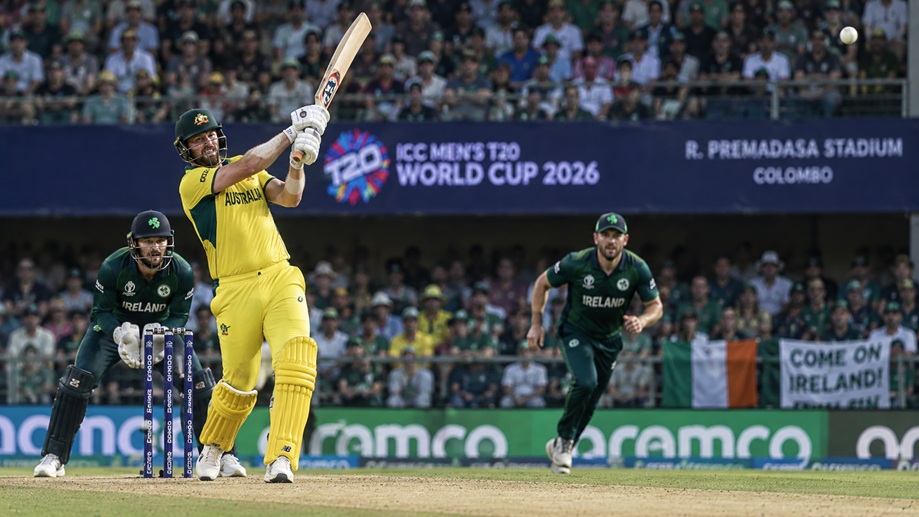
The match unfolded in a manner typical of many Australian T20 triumphs.
Initially, Australia set a competitive total and later relied on their bowling prowess to manage the opposing team.
Ireland showed moments of resistance but failed to create the necessary partnerships to mount a successful run chase under pressure.
Key statistics from the match include:
| Match Detail | Result |
|---|---|
| Australia Total | 182/6 in 20 overs |
| Ireland Total | 115 in 16.5 overs |
| Winning Margin | Australia won by 67 runs |
| Ireland’s Top Scorer | George Dockrell – 41 |
| Notable Ireland Contribution | Lorcan Tucker – 24 |
| Player of the Match | Nathan Ellis |
| Venue | R. Premadasa Stadium |
Australia’s 67-run win highlighted their superiority throughout the match. The gap between the two teams was not solely due to a single key event; Australia consistently outperformed their opponents.
Main Turning Points of the Match
Several pivotal events influenced the final outcome.
Australia’s Strong First-Inning Score
Achieving 182/6 provided Australia with a distinct advantage. This total immediately intensified the pressure on Ireland, ensuring that the batting team needed to score at a high rate from the outset.
Ireland Loses Crucial Wickets
Ireland struggled to create the solid foundation from their top order that was essential for chasing 183 runs. Losing wickets early and frequently made their task even more challenging.
Dockrell’s Counterattack
George Dockrell briefly generated momentum and illustrated that Ireland still had determination. His score of 41 off 29 balls marked the best individual performance for his team.
Nevertheless, Australia maintained control over the remaining batsmen, preventing the counterattack from turning into a significant comeback.
Australia’s Bowlers Conclude Powerfully
Australia did not permit Ireland’s lower-order batsmen to prolong their innings meaningfully. The dismissal of the last batters sealed a decisive win prior to Ireland managing to complete their full allocation of 20 overs.
What the Result Indicates for Australia
This victory for Australia served as another testament to their strength in T20 cricket.
The team displayed their capability to score runs, defend a challenging score, and effectively employ various bowlers. Nathan Ellis’s standout performance earned him the Player of the Match title, showcasing the talent present within Australia’s bowling lineup.
A win by 67 runs signifies more than just gaining two points or securing a favorable outcome. It also has the potential to boost confidence and reinforce the team’s mentality for upcoming matches.
The Ireland Australia 2026 Scorecard illustrates that Australia’s triumph was a result of collective effort. Their batting set a solid foundation, while the bowlers made sure Ireland never posed a serious risk to the target.
What Ireland Can Take Away From the Loss
While Ireland’s outcome was disappointing regarding the margin, there were individual performances worth noting.
George Dockrell’s innings showcased his capability to take on high-quality bowling, and Lorcan Tucker also made contributions during a challenging chase.
The broader concern was the absence of sustained partnerships. To chase down 183 against Australia, several batsmen need to contribute, and Ireland could not sustain their momentum long enough.
For upcoming matches, Ireland should concentrate on:
- Developing stronger partnerships at the beginning of their batting lineup.
- Minimizing the pressure created by losing early wickets.
- Identifying more opportunities for boundary scoring in the middle overs.
- Supporting aggressive innings with longer partnerships.
Ireland continues to be a competitive international team, but contests against teams as adept as Australia will require consistent performance across all areas of the game.
Conclusion
The Ireland Australia 2026 Scorecard reflects a match predominant due to Australia’s overall superiority. Their score of 182/6 set a formidable target, whereas their bowling restricted Ireland to just 115 runs in 16.5 overs.
George Dockrell’s 41 was the standout batting effort for Ireland, and Lorcan Tucker also showed some resilience, but Australia maintained control for the entirety of the chase.
Nathan Ellis’s performance as Player of the Match was an added highlight of the game, underscoring Australia’s ability to deliver match-winning efforts from their bowling unit.
The 67-run victory for Australia was decidedly convincing, founded on a robust blend of batting pressure, disciplined bowling, and timely breakthroughs. Ireland had brief moments of resistance, yet the final outcome validated the disparity in execution on that day.
For cricket enthusiasts reflecting on the game, this match serves as a clear illustration of how Australia combined a competitive first-innings score with relentless bowling pressure to achieve a dominant win in the ICC Men’s T20 World Cup 2026.