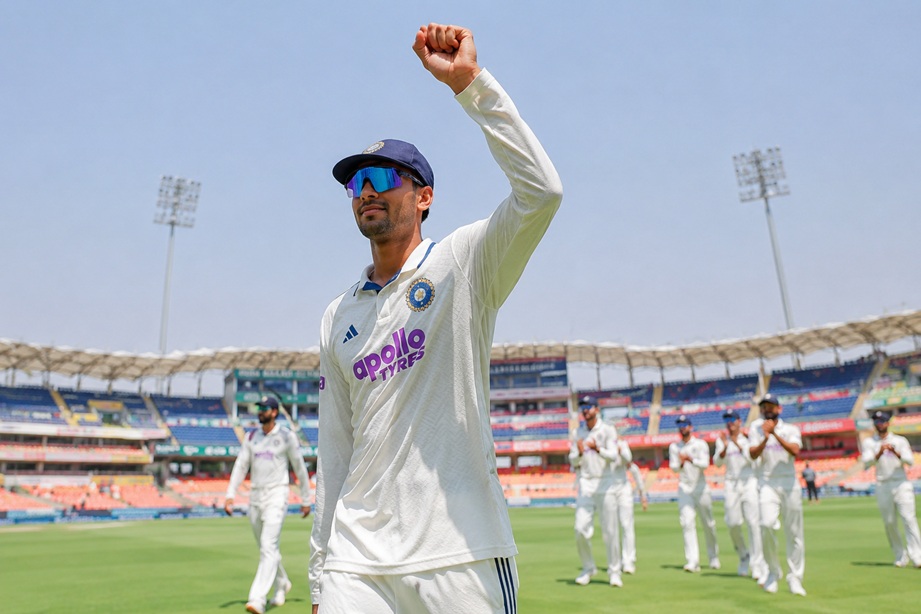


Cricket enthusiasts are gearing up for an exciting showdown as India is set to confront the West Indies in the fourth T20 International of the 2026 series. As the tournament approaches its concluding phase, this upcoming match could be pivotal for both sides, especially since India aims to capitalize on their home advantage while the visitors seek to test them with their aggressive batting style.
The fourth T20I between India and West Indies will take place on Wednesday, October 14, 2026, at the Rajiv Gandhi International Stadium located in Hyderabad. The match is expected to commence at 7:00 PM IST, promising an exciting evening of international T20 action for the fans.
The series has already showcased varied performances, featuring a strong victory for India in Lucknow, a thrilling chase by the West Indies in Ranchi, and yet another win for India in Indore. These outcomes have heightened the stakes for the remaining matches, prompting both teams to approach the Hyderabad clash with an aggressive mindset.
“`htmlIND vs WI
India take on West Indies in the fourth match of the five-match T20I series at Rajiv Gandhi International Stadium, Hyderabad. The toss, playing XIs and match score will be updated when officially available.
Match Information
India Batting
West Indies Batting
Bowling Figures
West Indies bowling: Overs, maidens, runs, wickets and economy rate — pending.
Match Summary

India vs West Indies 4th T20I: Match Details
Before diving into probable match strategies and significant players, let’s review the fixture details.
Match information
Details
- Match: India vs West Indies, 4th T20I
- Series: West Indies tour of India 2026
- Date: Wednesday, October 14, 2026
- Venue: Rajiv Gandhi International Stadium, Hyderabad
- Start time: 7:00 PM IST
- Format: T20 International
- Match status: Upcoming as of October 12
- Series format: Five-match T20I series
The fourth match precedes the series conclusion in Bengaluru on October 17. This creates a crucial chance for both sides to gain momentum leading up to the final match.
How the T20I Series Has Developed So Far
The initial three matches have illustrated how swiftly the dynamics can change between the two teams. India has showcased their capability to chase large targets, whereas the West Indies have revealed that their batting order can convert challenging situations into winning chances.
First T20I: India Start with a Convincing Win
The inaugural match occurred in Lucknow on October 6. The West Indies managed to score 171 runs before being dismissed in 19.1 overs. In response, India chased down the target, achieving 172/2 in just 14.4 overs, clinching an eight-wicket victory with 32 balls to spare.
Shreyas Iyer delivered an exceptional performance with an unbeaten 102 off 43 balls, marking the highlight of the match. His innings featured 10 boundaries and six sixes, enabling India to complete the chase effortlessly.
This outcome demonstrated India’s capacity to finalize a chase swiftly when their middle order gains momentum. It also underscored the challenges faced by the West Indies when their bowlers struggle to contain aggressive batsmen from scoring easily.
Second T20I: West Indies Respond in Ranchi
The second match yielded a considerably different outcome. India amassed a total of 249/5 in their 20 overs, setting a daunting target that would typically instill significant confidence in the bowling side.
Nevertheless, the West Indies executed an impressive chase, achieving a score of 252/4 in 18.3 overs to secure a win by six wickets. Shai Hope recorded an unbeaten century, complemented by a significant contribution from Sherfane Rutherford during their successful chase.
This outcome highlighted that a score near 250 does not ensure victory in contemporary T20 matches. The West Indies utilized powerful batting alongside a calculated chasing technique, creating continuous pressure on India‘s bowling lineup.
Third T20I: India Regains Momentum in Indore
India found their winning touch again in the third match on October 11. They managed to put up 223 runs before being dismissed, with Abhishek Sharma making a noteworthy 69 off just 30 deliveries.
His dynamic start enabled India to set a robust run rate, although the innings was marred by some unfortunate run-outs and a downturn towards the end. The West Indies mounted a response during their chase, ending at 209/7, thus granting India a victory by 14 runs. Arshdeep Singh took three wickets, playing a crucial role in the win.
These outcomes set the stage for Hyderabad. India has demonstrated their capability to score rapidly and defend sizeable totals, but the defeat in Ranchi highlighted the necessity for disciplined bowling in the crucial final overs.
India vs West Indies 4th T20I: Importance of Hyderabad
Hyderabad holds significance in this series as the fourth match follows three distinct contests. Both sides possess ample insights about their rivals, allowing for tactical modifications.
India will aim for their batsmen to sustain an aggressive stance while avoiding unnecessary risks that lead to lost wickets. Additionally, their bowlers must strike an improved balance between claiming wickets and minimizing boundary runs in the closing overs.
The West Indies can find motivation from their successful chase in Ranchi. Their capacity to effectively attack both spin and pace makes them a formidable opponent when they have wickets in hand towards the ending phase of an innings.
India’s Major Challenge
India‘s hurdle is not solely about scoring quickly. The team must adeptly manage the middle overs and ensure that a solid beginning translates into a competitive total at the end.
The match in Indore showcased both aspects of India’s approach. Abhishek Sharma provided the innings with an early boost, yet the following collapse demonstrated how rapidly a favorable situation can unravel. Improved communication among batters and more cautious running could assist in avoiding similar issues.
Chance for West Indies
The West Indies will seek to capitalize on their bold batting technique. Their performance in Ranchi illustrated that they don’t necessarily need to wait until the final overs to increase their scoring rate.
The visiting bowlers will also need to exert early pressure. Should India lose two or three wickets during the powerplay, the home team could find themselves compelled to reconstruct their approach rather than continuously pursue aggressive scoring.
Five Key Contests to Observe
The individual matchups listed could significantly sway the outcome of the match. These are strategic engagements to monitor, rather than definite head-to-head battles for every over.
1. Abhishek Sharma Facing the New Ball
Abhishek Sharma‘s aggressive approach can intimidate opposing bowlers right from the start. His innings of 69 runs off 30 deliveries in Indore showcased his ability to swiftly alter the pace of scoring.
The West Indies must bowl with precision against him, especially when the ball is new and field restrictions favor an attacking batting style.
For India, the priority will be to enable Abhishek to play his natural game while ensuring that the other opener maintains consistency at the other end.
2. Shreyas Iyer Facing West Indies’ Bowling Line-up
Iyer’s century in the first game marked him as a player to keep an eye on this series. His not-out score of 102 off 43 balls displayed a mix of placement, timing, and the ability to hit boundaries.
The West Indies will require a strategic approach against him, particularly if he comes to bat during the powerplay. Altering pace, varying lengths, and guarding his favored scoring areas may assist them in minimizing his effect.
For India, Iyer’s role could be particularly crucial if early wickets fall, necessitating a steady rebuild of the innings.
3. Shai Hope Battling Against India’s Fast Bowlers
Hope’s not-out century in Ranchi showcased his skill in constructing an innings while keeping a rapid scoring pace. His effort was vital in helping the West Indies achieve a successful chase.
The Indian pace bowlers will need to challenge him with precise lines and varied lengths rather than purely relying on speed. Early movement and well-placed deliveries might make it tougher for him to score freely.
If Hope becomes settled at the crease, India may need to adjust their field placements and utilize different bowling strategies to avoid another significant partnership.
4. Sherfane Rutherford Dealing with Spin Bowling
Rutherford’s role during the chase in Ranchi highlighted how crucial power hitters can be when a team is targeting a substantial score. His ability to locate boundaries makes him a formidable batsman in the middle and final overs.
India‘s spinners must be particularly mindful of their lengths. Balls that are too short or allow Rutherford to unleash his shots could be driven to the boundary.
The challenge will focus on managing scoring opportunities without becoming predictable.
5. Arshdeep Singh Against the West Indies’ Finishers
Arshdeep Singh‘s three wickets in India’s narrow 14-run victory in Indore established him as a key player in the match outcome.
His performance will play a significant role when evaluating India‘s strategies for the final overs. Deliveries such as yorkers, slower balls, and accurately placed wide balls can help diminish the scoring rate, as long as they are consistently executed.
West Indies, nonetheless, aims to disrupt that flow by shifting across the crease, aiming for advantageous matchups and transforming solid deliveries into scoring chances.
The Rajiv Gandhi International Stadium located in Hyderabad is the site for the fourth T20I. This venue has previously hosted international matches and is recognized for its expansive playing area and vibrant atmosphere during significant games.
The specific pitch characteristics for October 14 cannot be predicated ahead of the match. The circumstances may shift based on the surface prepared, recent weather conditions, grass cover, and the moisture levels in the pitch.
Implications of the Pitch for Batters
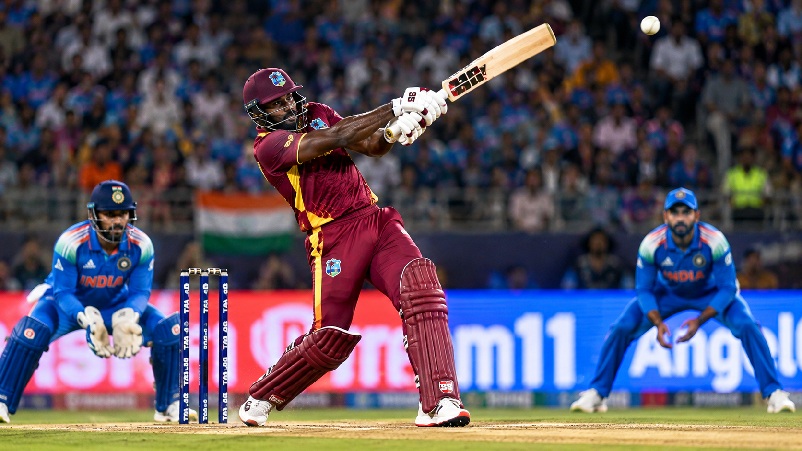
Rajiv Gandhi International Stadium: Pitch and Conditions
Should the surface provide good speed and consistent bounce, batters might be able to confidently execute aggressive shots. A solid pitch can reward clean hitting, particularly when the ball arrives at a comfortable height for the bat.
On the other hand, a sluggish surface may create challenges for timing and emphasize the importance of rotating the strike. Batters might need to focus on placement, quick running between the wickets, and calculated aggression rather than trying for boundaries with every ball.
Will Bowlers Receive Support?
Pace bowlers will aim to take advantage of any initial movement, while spinners could play a crucial role if the pitch slows down as the match continues.
The outcome of the toss might affect strategic choices, but it is premature to conclude whether batting first or chasing would definitively be the superior strategy. Actual conditions and the teams’ evaluations on game day should dictate that choice.
India vs West Indies 4th T20I: Anticipated Team Strategies
Both teams have distinct motives to concentrate on certain aspects prior to the encounter in Hyderabad.
India is expected to emphasize partnerships, consistent bowling, and improved execution during the concluding overs. The squad has already showcased significant scoring potential, but their display in Ranchi highlighted the dangers of depending solely on batting.
West Indies hopes to sustain the fearless mindset that led them to victory in the second T20I. Their batters have proven capable of chasing down a high total, but achieving that performance level necessitates contributions from more than just one or two players.
India’s Strategy with the Bat
India needs to maximize the powerplay phase while safeguarding wickets. A robust opening partnership will provide the middle order the freedom to accelerate later in the innings.
The goal is to steer clear of instances where multiple wickets fall in a short span. Even a strong batting lineup can find it difficult to recover if the opposing team capitalizes on repeated errors.
West Indies’ Strategy with the Ball
West Indies must keep India‘s top batters from settling in early. Precise bowling, strategic field placements, and well-timed variations in pace can help minimize the scoring.
They should also anticipate that India‘s lower and middle order will step up if the top order falters. Sustaining pressure throughout the innings will be more effective than depending on a single breakthrough.
What Might Influence the Outcome of the Hyderabad T20I?
The result of a T20 international frequently hinges on minor details rather than a single outstanding display. An overlooked catch, an ill-timed shot, or a costly over can swiftly alter the course of a game. For both India and West Indies, effectively handling these pivotal moments will be as crucial as achieving high scores.
Powerplay Performance and Early Wickets
The initial six overs present both sides a chance to gain dominance. India will aim for their opening batsmen to exploit the limits on fielding while avoiding unnecessary dismissals. A strong start can apply pressure on the opponents and allow the middle order more freedom to operate.
Conversely, West Indies will seek to secure quick wickets. Dismissing an aggressive opener could compel India to adjust their strategy and focus on reconstructing their innings. The visitors must also refrain from delivering too many balls in the batsman’s favored scoring zones, especially when the ball is coming onto the bat effectively.
Middle-Over Partnerships
The middle overs frequently play a crucial role in determining if a team achieves a competitive score or falls short. During this stage, batsmen must mix prudent strike rotation with strategic boundary hitting.
India possesses several players capable of accelerating the run rate, but forming partnerships will be essential if early wickets are lost. Instead of solely depending on sixes, the batsmen can maintain the scoreboard through singles, twos, and well-placed shots.
West Indies will encounter a similar difficulty if they bat first. Establishing a partnership after an early wicket can help prevent India from seizing control of the match with consecutive dismissals. Excellent communication and intelligent running between the wickets are vital on a ground where scoring is not limited to boundaries.
Death-Over Bowling and Finishing Ability
The concluding four overs can lead to a significant turnaround in a T20 encounter. Batsmen usually aim to attack, while bowlers must adhere to their strategies under intense pressure.
India will want their fast bowlers to effectively utilize variations instead of falling into a repetitive delivery pattern. Yorkers, slower balls, and well-aimed short deliveries can all be advantageous when executed at the right moments. However, poor execution may enable aggressive finishers to score boundaries rapidly.
West Indies must also focus on their bowling during the closing stages of the innings. If India retains wickets in hand during the final overs, the visitors may face a tough challenge in controlling the scoring rate.
Fantasy Cricket Considerations for the Fourth T20I
Participants in fantasy cricket will need to evaluate several aspects before assembling their teams for the match in Hyderabad. Recent performances can provide valuable insights, but selecting a fantasy lineup based solely on the last match may lead to pitfalls.
All-rounders can be highly beneficial due to their ability to contribute with both bat and ball. Top-order batsmen also hold significant promise if they receive enough deliveries to construct a meaningful innings. Additionally, bowlers who consistently bowl during the powerplay or death overs can create wicket-taking chances.
Prior to finalizing a fantasy team, keep these crucial points in mind:
- Verify the confirmed playing XI: Steer clear of selecting athletes who aren’t part of the final roster.
- Assess recent performance: Analyze the latest results in conjunction with a player’s typical position and reliability.
- Take batting order into account: A batter in the top order usually has greater chances to face more balls compared to those batting later in the lineup.
- Analyze bowling duties: Bowlers who are slated to finish their overs typically provide additional chances to accumulate fantasy points.
- Review the pitch and toss: The playing conditions can affect the dynamics among batters, spin bowlers, and pace bowlers.
Fantasy choices should remain adaptable until the toss and team announcements are made. Recent data can assist in making choices, but they do not ensure individual outcomes or final scores.
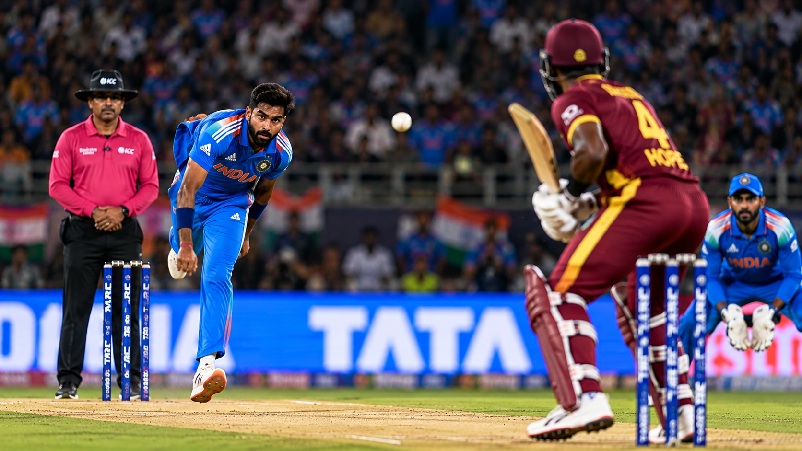
Reasons for Fans to Observe Final Team Announcements
The finalized playing XIs will deliver valuable insights into each team’s strategy. A modification in the batting lineup may signal a desire for a more aggressive beginning, while an extra bowling choice could imply the captain anticipates favorable conditions for bowlers.
Team composition can also indicate how management reacts to past match performances. Players who made significant impacts in prior matches might keep their spots, whereas the coaching team may consider changes to enhance team composition.
For those following the match, checking the toss, confirmed lineups, and official score updates will yield a clearer picture of the situation compared to trusting unverifiable claims on social media.
In the end, the team that adjusts quickest to the playing conditions and manages pressure better could find an edge in Hyderabad.
India vs West Indies 4th T20I: Live Score and Broadcast Information
Fans eager for the latest score should monitor official match center updates once the contest starts. The BCCI match center and the Cricket West Indies website serve as useful references for schedules and match details.
For broadcast and streaming options, viewers should verify the current listings with official Indian broadcasters and streaming services as the match approaches. Availability and rights may differ based on service and region, so it’s advisable to avoid relying on unreliable links.
The match is set for 7:00 PM IST on October 14. Readers should keep an eye on the official match center for any updates as well as the final playing XIs, toss outcomes, and live scores.
Final Thoughts
In the fourth encounter, both teams have the chance to enhance their standings ahead of the concluding T20I in Bengaluru. India comes into the match in Hyderabad having bounced back from their loss in Ranchi with a victory in Indore, while the West Indies have already proven they can put up a strong fight against the hosts with their dynamic batting.
The outcome of the India versus West Indies 4th T20I may hinge on how well each side navigates the powerplay phase, maintains partnerships, and implements their strategies during the concluding overs. India will seek for their batting strength to lead to a more cohesive team display, while the West Indies will strive to meld aggressive batting with improved reliability.
Players such as Abhishek Sharma, Shreyas Iyer, Shai Hope, Sherfane Rutherford, and Arshdeep Singh are among those to keep an eye on due to their notable recent contributions. Nevertheless, the final teams, the toss outcome, and the playing conditions will offer better insight into potential matchups.
What is clear is that after three matches showcasing a century, a successful pursuit of a high score, and a narrow defense, the series has already been filled with excitement. Hyderabad now presents an opportunity to add another notable episode to the 2026 T20I matchup.
“`html