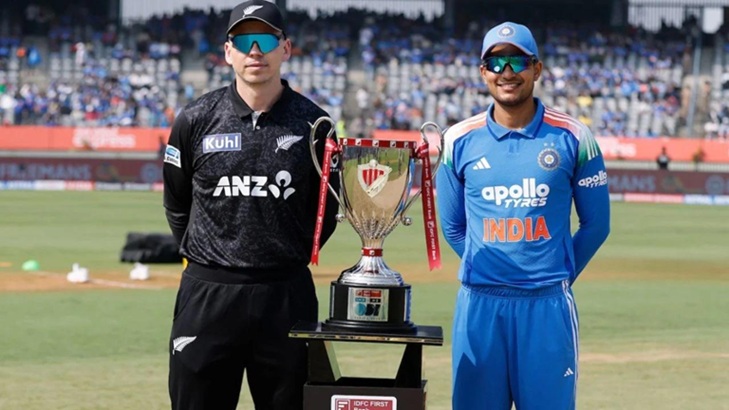

The inaugural ODI between India and New Zealand is just around the corner, and cricket enthusiasts are eagerly anticipating the strategies both teams will adopt in the 50-over game. Following their T20I encounters, these teams now shift their focus to a lengthier format where factors such as batting strength, bowling control, and strategic decisions can play pivotal roles.
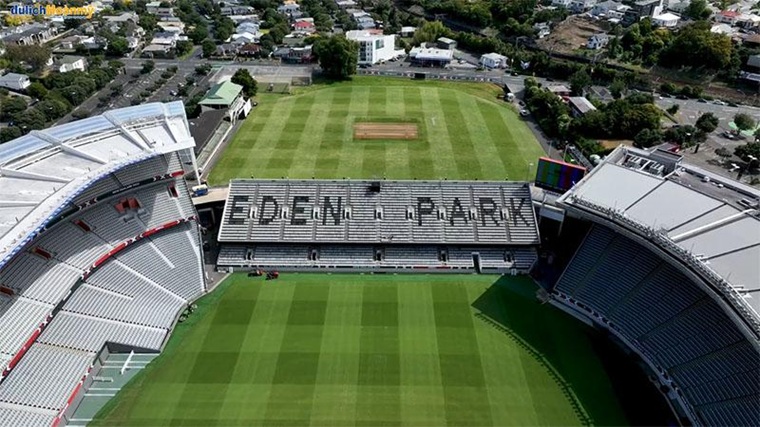
The first match of the five-match ODI series is set for November 4, 2026, at Eden Park in Auckland, with a scheduled start time of 7:30 AM IST. India will commence the series with Shubman Gill captaining the side for the initial three ODIs, while Mitchell Santner leads the New Zealand team.
For fans looking for the playing XI for India versus New Zealand, the key difference lies between the squads that have been announced and the final eleven players who will be taking the field. The squad outlines the available players, but the official playing XI will be determined at the toss.
The selection of teams for this matchup is particularly intriguing due to New Zealand’s injury issues, while India has to carefully balance their batting and the bowling options required for the conditions in Auckland.
India vs New Zealand 1st ODI 2026: Match Details
Before analyzing the expected lineups, here are essential details for the opening match.
| Match Information | Details |
|---|---|
| Match | New Zealand versus India, 1st ODI |
| Series | 2026 Indian tour of New Zealand |
| Date | November 4, 2026 |
| Venue | Eden Park, Auckland |
| Start time | 7:30 AM IST |
| India captain | Shubman Gill |
| New Zealand captain | Mitchell Santner |
| Format | One Day International |
This match is part of a five-match ODI series scheduled from November 4 to November 15. Throughout the tour, the teams will also compete in Wellington, Hamilton, and Mount Maunganui.
India Predicted Playing XI
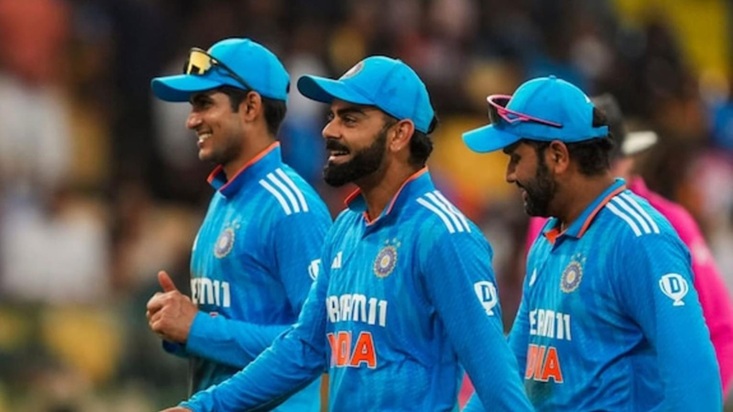
India boasts a variety of seasoned players, including Rohit Sharma, Virat Kohli, KL Rahul, and Shreyas Iyer. The challenge in selection is to form a well-rounded team without compromising the bowling lineup.
Based on the squad and the reported considerations for the team, the following is an anticipated XI, rather than an officially confirmed lineup.
- Rohit Sharma
- Shubman Gill (captain)
- Virat Kohli
- Shreyas Iyer
- KL Rahul (wicketkeeper)
- Nitish Kumar Reddy
- Axar Patel
- Kuldeep Yadav
- Mohammed Siraj
- Arshdeep Singh
- Gurnoor Brar
This selection presents a formidable top order, a wicketkeeper situated in the middle, versatile all-rounder options, and a diverse bowling attack. Nonetheless, India might opt for Naman Dhir over one of the other players, depending on the desired balance and match day conditions. Kuldeep Yadav’s selection is another crucial point of consideration, as recent match analyses have suggested that India may have to choose between employing a specialist spinner or adding another fast bowler.
Rohit Sharma and Shubman Gill at the Top
Rohit Sharma’s vast experience positions him as a key player at the beginning of an ODI innings. His responsibility is to maximize fielding restrictions while steering clear of unnecessary risks against the new ball.
Shubman Gill introduces a unique strength to the team. He has the ability to construct innings by utilizing timing and positioning, and can accelerate the pace of play when the circumstances are right. As the captain, he will need to assess the level of aggression India should display against New Zealand’s seam bowlers.
The opening pair could significantly influence the match. If they manage to navigate the initial spell effectively, India can create a solid foundation for Kohli and Iyer to dominate during the middle overs.
Virat Kohli and Shreyas Iyer in the Middle Order
Virat Kohli’s skill in handling chases and rotating the strike is crucial to India’s batting strategy. He is capable of keeping the innings flowing when scoring boundaries becomes challenging and can capitalize on any wayward deliveries from bowlers.
Shreyas Iyer brings an additional aggressive option to counter both pace and spin. His contribution might be particularly crucial if India loses an early wicket, as he can help stabilize the innings without letting the required run rate escalate.
The specific order may shift depending on the dynamics of the match. India would prefer their key players to face considerable deliveries to make a significant impact instead of depending solely on a late surge.
KL Rahul’s Role as Wicketkeeper
KL Rahul provides versatility in the middle order while also taking on the wicketkeeping duties. His involvement allows India to preserve batting depth without needing a specialist wicketkeeper who may weaken the batting lineup.
Rahul’s ability to manage the game may prove essential if India finds themselves needing to recover from early dismissals or seek quick runs after a slow start. He can adjust to the circumstances rather than adhering to one strategy throughout the innings.
All-Rounders and Bowling Balance
Nitish Kumar Reddy and Axar Patel present India with valuable options in both bowling and batting. Their importance extends beyond just the overs they bowl; they can shield the batting order from becoming overly reliant on the specialist batsmen.
Kuldeep Yadav serves as a wicket-taking spin option, while Mohammed Siraj and Arshdeep Singh offer varied approaches with the ball. Gurnoor Brar might provide an extra pace alternative if deemed suitable for the playing conditions.
India will have to evaluate whether the pitch and weather conditions favor an additional seam bowler or if a specialist spinner would provide better control during the middle overs. This choice could affect the final team makeup.
New Zealand Predicted Playing XI
New Zealand benefits from playing at home with a squad filled with seasoned ODI players. Mitchell Santner’s captaincy alongside batters familiar with local conditions may enable the hosts to form a competitive lineup.
The scenario shifted just before the opening match when Devon Conway was ruled out due to an incident in training. Tim Seifert has been named as his substitute for the first ODI. Mark Chapman and Rachin Ravindra are also unavailable for the ODI series because of injuries.
A reasonable prediction for the New Zealand XI is as follows:
- Tim Seifert
- Will Young
- Daryl Mitchell
- Tom Latham (wicketkeeper)
- Glenn Phillips
- Michael Bracewell
- Mitchell Santner (captain)
- Nathan Smith
- Kyle Jamieson
- Jacob Duffy
- Matt Henry
This is an estimation based on the news from the team and the available players. The final lineup and choices may vary once the official roster is revealed at the toss.
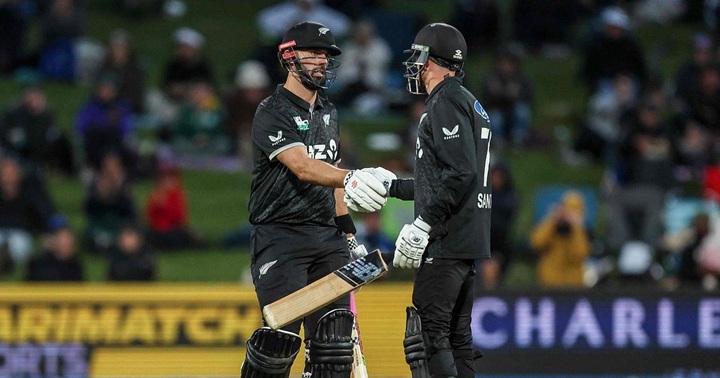
Tim Seifert and Will Young at the Start
With Conway not available, Seifert might be needed to take on a crucial position at the beginning of the innings. He possesses the talent to play aggressively, but the difficulty will lie in selecting the right balls instead of trying to force the pace against India’s opening bowlers.
Will Young can offer consistency from the other side. If the opening duo manages to weather the early movement, New Zealand will be able to establish their innings on a solid foundation.
The home team must also steer clear of losing multiple wickets in quick succession. India’s fast bowlers will aim to apply pressure from the outset, and New Zealand’s top order must respond with careful shot selection.
Go ahead of the series has described the anticipated conditions as possibly bouncy and blustery. The same report indicated that the existing surface would be utilized, making the evaluation of the pitch closer to match time particularly significant.
What Batters Should Anticipate
Batters will have to strike a balance between aggression and restraint. The short boundaries may tempt players to attempt lofted shots, but improperly timed swings can still lead to catches if the fielders are well positioned.
The initial overs could influence how steadily both teams adjust. Should the ball exhibit movement in the air or off the pitch, the batters might need to take their time evaluating the conditions before executing expansive shots.
Once they are settled, leading players can seek scoring chances both square of the wicket and along the straight boundaries.
How Bowlers Can Leave Their Mark
Fast bowlers might aim to utilize movement, bounce, and variation in length to make scoring challenging. Merely delivering fuller balls repeatedly may be hazardous if batters manage to get underneath them and target the straight boundaries.
Spinners will need to alter their pace and effectively use field placements. On a surface lacking significant turn, precision and the ability to compel batters into making risky shots could prove more valuable than anticipating sharp spin.
The result of the toss could impact strategic decisions, but it should not be viewed as a certain predictor of success. Teams must evaluate the actual surface conditions and weather before determining how best to deploy their resources.
Five Key Players to Observe
1. Rohit Sharma
Rohit’s performance at the start could establish the rhythm for India’s innings. If he secures boundaries early on while preserving his wicket, India can exert pressure on New Zealand’s opening bowling strategy.
2. Virat Kohli
Kohli’s importance lies in his capacity to navigate various stages of an ODI match. His skills in building partnerships and making decisions may be critical if India has to pursue a challenging target.
3. Shubman Gill
Gill bears the additional duty of leading the side. His choices while batting and decisions regarding bowling changes will be closely monitored throughout the game.
4. Daryl Mitchell
Mitchell can assist New Zealand in recovering from an early loss or accelerate scoring during the middle overs. India will aim to prevent him from getting comfortable and settling into a lengthy innings.
5. Mitchell Santner
Santner’s command with the ball and his choices as captain might influence New Zealand’s defensive strategy. His skill in breaking partnerships will be crucial against India’s seasoned middle order.
India vs New Zealand Playing XI: Significant Selection Conflicts
A number of selection dilemmas may dictate the final rosters.
- Kuldeep Yadav versus an additional pace option: India needs to determine whether a specialist spinner is vital or if an extra fast bowler aligns better with the conditions. Kuldeep’s ability to take wickets makes him a strong candidate, but the pitch evaluation will be significant.
- Naman Dhir or another batting choice: India’s management might lean towards extra batting strength or a player providing a different bowling option. The decision will rely on the anticipated role of the lower middle order.
- New Zealand’s opening pair: The expected addition of Seifert due to Conway’s injury alters the strategy for the home side. His style, in conjunction with Young, will determine the aggressiveness of New Zealand’s start.
- The mix of pace and spin: Both team leaders must determine the number of overs to assign to their specialized bowlers and which all-rounders can fill in extra overs if the circumstances shift.
These factors are the reason that anticipated lineups should be viewed as educated guesses rather than definitive declarations.
Significance of the First ODI for the Series
The initial game can establish the atmosphere for a five-match series, especially since both teams will be evaluating combinations and environmental conditions prior to the subsequent matches.
For India, the primary focus is on forming a well-rounded squad that can effectively compete in New Zealand without relying excessively on a few veteran batsmen. The bowling lineup must be skilled at taking wickets during the initial overs while sustaining pressure throughout the mid-innings.
For New Zealand, playing at home allows for an examination of India’s batting strength and the thoughtful use of seam bowling. Santner’s team will also want its seasoned middle order to step up if the opening partnership fails to thrive.
The match serves as an opportunity for individuals vying for positions to showcase their abilities clearly. A strong display can enhance a player’s chances for selection in the upcoming ODI, although a single game rarely resolves all selection dilemmas.
Where to Find the Official Playing XI
The final team rosters are generally confirmed at the toss, just prior to the commencement of the match. Readers should consult the official team release instead of depending on an early predicted lineup.
For the most current updates, refer to the BCCI’s official site for India’s announcements, and check the ICC match center for details on the game. Coverage from well-established cricket sources can also offer updates on any late fitness evaluations and last-minute adjustments.
The final teams might differ from the projections in this article, especially if the captains modify their bowling pairings after assessing the pitch.
Conclusion
The opening ODI in Auckland presents an intriguing matchup between India’s seasoned batting squad and New Zealand’s familiarity with local conditions. India boasts multiple validated performers, while the home team features a versatile middle order and a bowling contingent adept at taking advantage of movement and bounce.
The discussion regarding the India vs New Zealand playing XI revolves around achieving balance rather than merely selecting the most recognizable figures. India must figure out how to merge their spin and pace assets, while New Zealand needs to solidify their opening combination following Conway’s reported unavailability.
Rohit Sharma, Shubman Gill, and Virat Kohli may play key roles in India’s batting strategy, while Daryl Mitchell, Glenn Phillips, and Mitchell Santner are likely to be significant contributors for the home side.
The ultimate result will hinge on the confirmed lineups, the conditions at Eden Park, and how effectively each team manages crucial moments. Until the toss occurs, the lineups above should be interpreted as forecasts rather than established selections.