
For many years, the Indian women’s cricket squad was seen as a capable group that approached greatness but consistently fell short on the grandest platforms. With devastating losses in World Cup finals and missed chances in elimination matches, the experience was marked by both hope and disappointment alike.
However, the discourse has shifted significantly today. The Indian women’s team is no longer striving to prove they belong within the top tier. Instead, their aspirations have grown—they aim to cultivate a culture where winning championships is seen as a standard requirement rather than an unattainable dream.
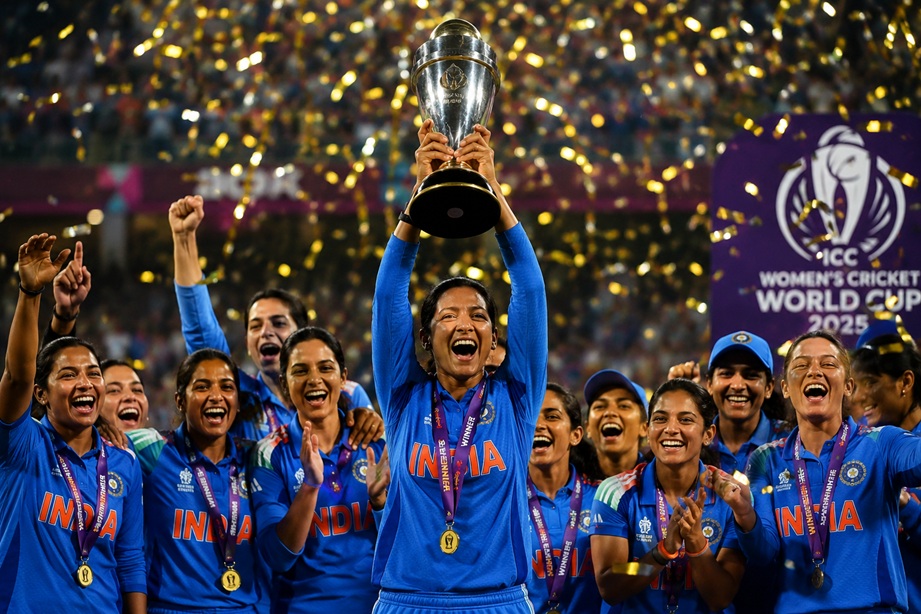
This ambition resonated powerfully when captain Harmanpreet Kaur expressed a desire to make victory a regular occurrence following India’s landmark World Cup win. This comment highlighted a change in attitude that has been developing for years. The team now harbors the belief that ongoing success is achievable, viewing one victory as just the start of a greater journey rather than the final goal.
Such a revolution is influencing the sport’s future in India and encouraging a new wave of athletes who consider international success to be an attainable reality.
A Historic Turning Point for Indian Women’s Cricket
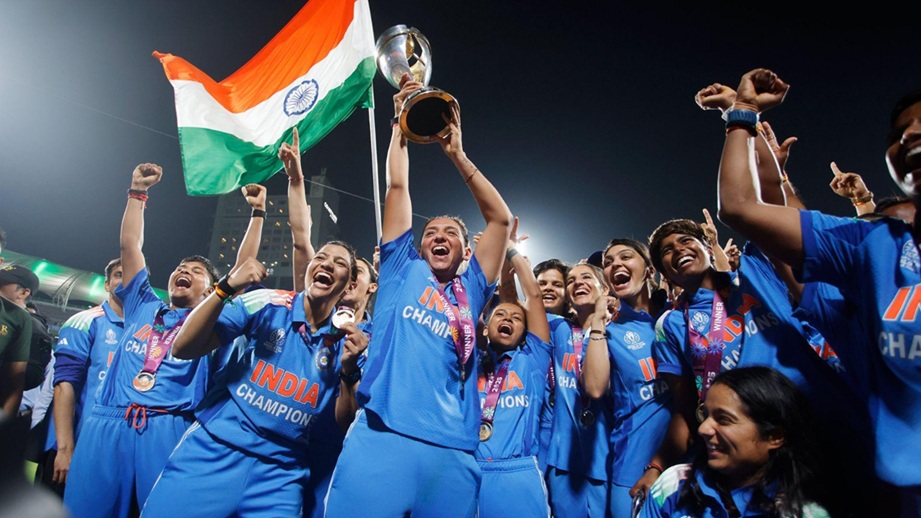
The narrative of contemporary Indian women’s cricket cannot be recounted without recognizing the importance of the 2025 Women’s Cricket World Cup.
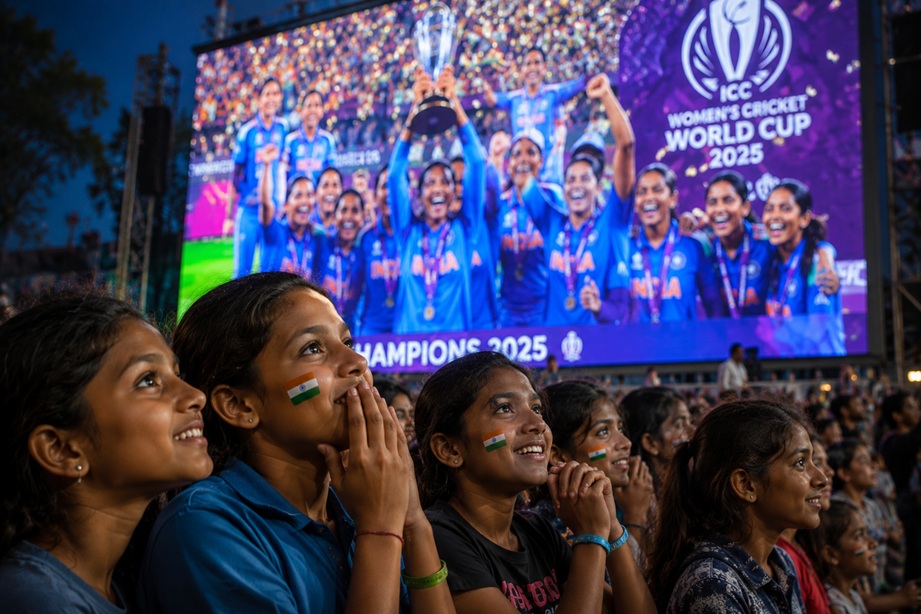
After many years of anticipation, India finally secured its first Women’s World Cup title by overcoming South Africa in the final match. This victory put an end to years of near misses and set a new standard for the team.
More crucially, this success altered the mental framework of Indian cricket.
Previous teams often bore the weight of past failures. They were keenly aware that the team had never achieved ultimate victory. In contrast, the current squad has felt the elation of reaching the pinnacle of success.
That self-assurance transcends mere statistics.
Athletes now approach tournaments with the conviction that they can secure a win rather than simply aiming to be competitive. This nuanced distinction frequently differentiates champions from mere contenders.
Why Winning Once Is Not Enough
The most notable teams in the history of sports have a shared trait: dependability.
Be it Australia in women’s cricket, the United States in women’s soccer, or dominant Olympic teams, maintaining high standards stems from consistently performing well under tension.
India recognizes this truth.
As per Harmanpreet Kaur, the World Cup win instilled confidence but also introduced heightened obligations. The team understands that the stakes have risen, and that upholding elevated expectations is now part of their journey.
Building a legacy involves more than just winning one championship.
It calls for:
- Steady performances across different formats
- Achievements in several ICC tournaments
- Nurturing young talent
- Establishing strong leadership frameworks
- A mindset that prioritizes excellence each season
This approach is increasingly becoming integral to the team’s character.
The Leadership Influence of Harmanpreet Kaur
In every victorious sports era, key leaders play vital roles in cultivating the mentality of the team.
For India, Harmanpreet Kaur has emerged as that pivotal figure.
Her path reflects the transformation of women’s cricket in India. She has felt the pain of significant tournament losses, observed the sport’s growth, and ultimately celebrated the team achieving its first World Cup title.
What enhances her leadership is her emphasis on sustained development rather than merely momentary victories.
Rather than fixating on past successes, she has motivated the team to adopt elevated standards and loftier aspirations. The underlying message is clear: champions continually strive for improvement.
This mindset has fostered an atmosphere where athletes are pushed to consistently advance.
The Effect of the Women’s Premier League
A key factor driving India’s swift advancement is the rise of the Women’s Premier League (WPL).
The league has transformed opportunities for domestic players by introducing them to top-tier international competitors and intense circumstances.
Harmanpreet Kaur has pointed out that the tournament has played a significant role in cultivating maturity, self-assurance, and a more robust winning mentality among Indian athletes.
How the WPL Has Transformed Indian Cricket
The league has provided numerous significant advantages:
- Access to elite coaching
- Experience in high-stakes scenarios
- Improved tactical insight
- Enhanced fitness benchmarks
- Increased professionalism
Young cricketers who used to aspire to meet international icons now find themselves sharing locker rooms with them.
Such exposure accelerates progression in a manner that conventional domestic cricket cannot achieve.
Cultivating Future Match Winners
Many up-and-coming Indian talents have gained immensely from the opportunities provided by the WPL.
The tournament has emerged as a development hub that consistently feeds the national team with individuals primed for international play.
Consequently, India enjoys greater squad depth than ever before.
Confidence Replacing Anxiety
One significant change in the current Indian team is the lack of uncertainty.
In the past, teams competing against formidable adversaries sometimes approached matches burdened by mental obstacles.
The present Indian team seems different.
Jemimah Rodrigues recently expressed that India should be viewed as contenders in major competitions due to the confidence built from previous successes.
This confidence is rooted in real accomplishments.
The team has:
- Secured major ICC championships
- Consistently outperformed top nations
- Developed key players in various roles
- Shown resilience in tough situations
Confidence derived from success tends to be more enduring than that based solely on potential.
The Significance of Young Talent
A successful culture thrives only when fresh talent emerges continually.
India is fortunate that this pipeline remains robust.
Players such as Shafali Verma symbolize a bold generation that has grown up believing in the possibility of international success.
Verma’s performances in significant tournaments have highlighted her skill and maturity well beyond her age. She has consistently stressed the need to sustain a winning mentality and build upon past successes.
What Distinguishes the New Generation?
Several elements differentiate today’s young athletes from previous generations.
They have been raised with:
- Superior facilities
- Professional contracts
- Enhanced coaching techniques
- Increased media presence
- More international playing opportunities
Perhaps most importantly, they have role models who have achieved what once seemed unattainable.
This alters the entire landscape.
Learning from Previous Disappointments
Inspirational narratives frequently originate from setbacks.
The women’s team in India is more aware of this truth than many others.
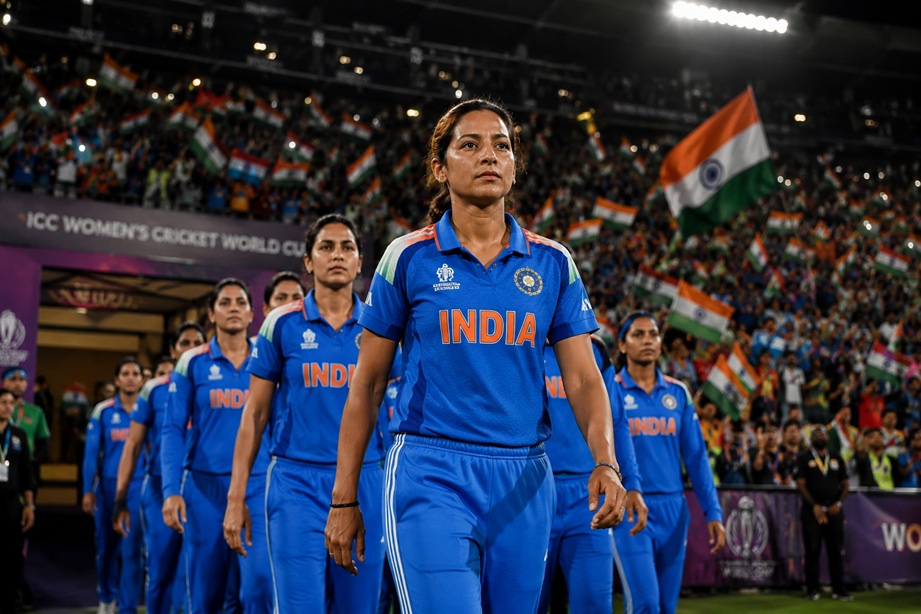
Prior to claiming the World Cup title, the team faced heartbreaking losses in earlier finals and elimination rounds. Although those challenges were tough, they offered significant insights.
Important Insights from Previous Efforts
The squad recognized the value of:
- Managing high-pressure scenarios
- Creating a well-rounded team
- Sustaining performance levels
- Implementing strategies during tense moments
- Preserving mental fortitude
Instead of letting setbacks shape their identity, the athletes transformed those moments into a source of inspiration.
This determination ultimately played a crucial role in their eventual triumph.
Creating a Lasting Winning Culture
Championship teams seldom come together in a short period.
Rather, they develop through frameworks that emphasize ongoing enhancement.
India seems dedicated to establishing such a framework.
Training sessions, performance evaluations, sports science initiatives, and development pathways have all progressed significantly. The aim is not merely to triumph in upcoming tournaments but also to sustain competitiveness for years ahead.
Features of a Winning Culture
An enduring culture generally comprises:
- Responsibility
- Strong leadership
- Elevated standards
- Ongoing education
- Team-oriented approach
These aspects are becoming more evident within the Indian framework.
The Global Challenge Ahead
Even with recent achievements, the future presents difficulties.
Women’s cricket is growing increasingly competitive each year.
Australia remains a dominant force. England poses a significant threat, particularly on home turf. South Africa, New Zealand, and various emerging teams are steadily advancing.
For India, the journey of maintaining success demands continual adjustment.
The difference between winning and losing at the highest level is often very slight.
This fact emphasizes the need for preparation, discipline, and execution like never before.
Expanding Influence Beyond Cricket
The effect of India’s accomplishments reaches well beyond the cricket field.
The World Cup triumph became a pivotal cultural event, motivating numerous young girls to pursue sports careers.
Experts have pointed out how this milestone represents progress for women within Indian society and showcases what can happen when opportunities and support systems are enhanced.
Broader Advantages of Success
The team’s successes lead to:
- Increased involvement in cricket
- Greater exposure for women’s sports
- More sponsorship opportunities
- Improved facilities
- Stronger pathways for upcoming athletes
Each win opens new doors for the next generation.
The Significance of Mental Resilience
Contemporary cricket is as much about mental strength as it is about physical ability.
Top teams recognize that managing pressure often influences the results of tournaments.
Recent remarks from players indicate that mental readiness has become a major focus within the Indian squad. Guidance from legends, robust support networks, and a dedication to remaining grounded have all aided the team’s development.
The capacity to reset after achievements may be just as crucial as bouncing back from setbacks.
Champions enjoy their wins, but they also gear up for future challenges.
Anticipating Future World Cups
As India approaches upcoming ICC competitions, expectations will inevitably rise.
The team is no longer seen as an underdog.
Instead, it is increasingly viewed as a true title challenger capable of consistently clinching major championships.
This transformation reflects years of development and the formation of a more formidable competitive identity.
The next hurdle is to convert sporadic success into lasting dominance.
A New Era for Women’s Cricket in India
The evolution of Indian women’s cricket is one of the most noteworthy narratives in contemporary sports.
A team that once sought to make history is now engaged in a pursuit of creating it repeatedly.
The synergy of seasoned leaders, skilled youngsters, professional frameworks, and increased public backing has laid the groundwork for enduring success.
Securing one World Cup altered perceptions.
Consistently winning could reshape the future of the sport.
As Harmanpreet Kaur and her fellow players progress on their path, their goal is evident: to create a legacy where winning championships is woven into the essence of the team, rather than being infrequent successes.
Should present patterns persist, Indian women’s cricket might be on the verge of its most prosperous phase ever— a phase founded not on singular victories, but on an unwavering commitment to improvement and the resolve to turn success into a consistent practice.
Conclusion
The journey of Indian women’s cricket has entered an exciting new chapter. What was once a team striving to achieve its first major breakthrough is now a squad determined to build a lasting legacy of success. The historic World Cup triumph has not only delivered a championship but has also transformed the team’s mindset, confidence, and ambitions for the future.
With experienced leaders such as Harmanpreet Kaur, emerging stars ready to take center stage, and the continued impact of the Women’s Premier League, India possesses the foundation needed to remain among the world’s elite teams. More importantly, the players now believe that winning major tournaments is not an exception but an expectation.