
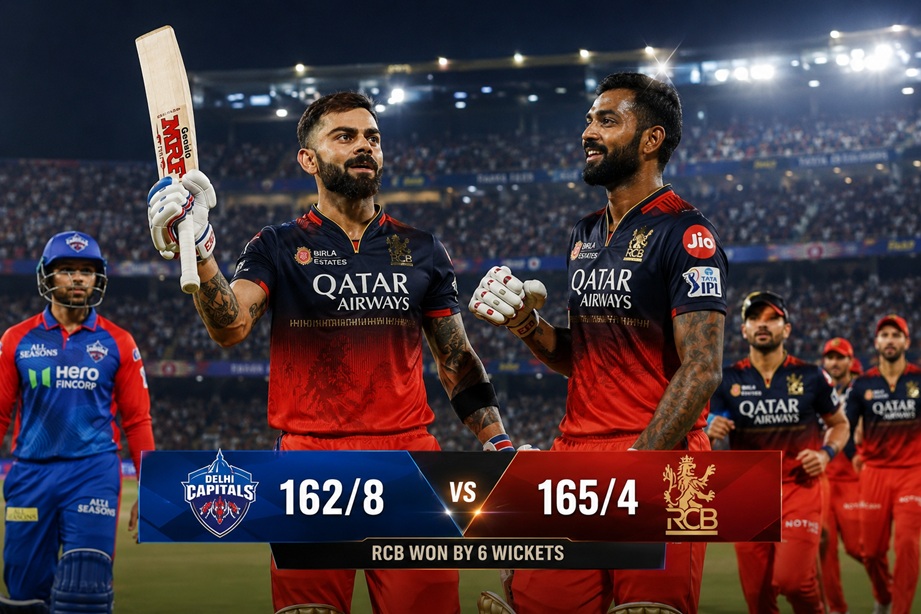

The competition for a spot in the IPL 2025 playoffs intensified as Delhi Capitals faced off against Royal Challengers Bengaluru in Match 46 at Arun Jaitley Stadium. The audience anticipated a gripping battle between two strong teams, and the evening unfolded just as expected. While Delhi aimed to protect a solid total, Bengaluru executed one of their most composed run chases of the season, allowing them to ascend to the top of the leaderboard. The win was fueled by an outstanding performance from Krunal Pandya, along with another reliable effort from Virat Kohli.
For fans seeking the DC vs RCB Scorecard, this match contained everything—early breakthroughs, middle-order recovery, strategic changes in bowling, and a decisive partnership that fully turned the game’s momentum. By the conclusion of the match, Royal Challengers Bengaluru triumphed by six wickets with nine balls to spare, reinforcing their aspirations for the playoffs.
Match Summary
| Match | IPL 2025 Match 46 |
|---|---|
| Venue | Arun Jaitley Stadium, Delhi |
| Delhi Capitals | 162/8 (20 overs) |
| Royal Challengers Bengaluru | 165/4 (18.3 overs) |
| Result | RCB won by 6 wickets |
| Player of the Match | Krunal Pandya |
The pitch in Delhi presented challenges for batsmen. It had enough grip for slower balls while making it tough to strike effectively during the initial innings. Despite these hurdles, both sides managed to form partnerships that ultimately determined the outcome of the game.
Delhi Capitals Innings Review
Delhi Capitals won the toss and opted to bat first, aiming to establish a formidable total before the pitch deteriorated further. However, their start lacked the aggressive intent commonly seen during powerplay overs.
Royal Challengers Bengaluru’s bowling unit kept tight lines from the outset. Bhuvneshwar Kumar consistently targeted the stumps, while Josh Hazlewood produced bounce that posed difficulties for Delhi’s top batsmen.
Although Delhi experienced regular wicket loss, their middle order managed to avert a total collapse. Timely collaborations ensured that the score continued to advance even when hitting boundaries was challenging.
Middle Order Keeps Delhi Alive
Rather than depending on high-risk shots, the batters from Delhi focused on rotating the strike wisely. Singles and doubles became increasingly critical as Bengaluru’s bowlers effectively varied their pace.
The innings displayed:
- Thoughtful rebuilding following early wickets
- Smart strike rotation
- Measured aggression in the concluding overs
- Contributions from various batsmen instead of a single standout performance
These collective efforts allowed Delhi to post a total of 162/8, which seemed competitive given the conditions of the pitch. At the midpoint of the match, many felt the bowlers had sufficient runs to defend.
The DC vs RCB Scorecard illustrated a well-rounded innings rather than one highlighted by individual excellence. Each small partnership contributed value and instilled hope in Delhi’s ability to limit a formidable Bengaluru batting order.
Bengaluru’s Bowling Performance
Royal Challengers Bengaluru entered the match aware that disciplined bowling would be essential on a pitch that provided assistance.
Their bowlers executed this strategy perfectly.
Bhuvneshwar Kumar once more demonstrated the importance of experience in T20 cricket. His variations in speed and exceptional control prevented Delhi from achieving consistent acceleration.
Josh Hazlewood partnered effectively with his consistent lengths and precise seam movement, while Krunal Pandya’s economical bowling kept Delhi from initiating an aggressive strategy against the spin bowlers.
The overall bowling division functioned cohesively as a unit instead of relying solely on individual brilliance.
Several significant advantages included:
- Effective implementation of slower balls
- Strategic positioning in the field
- Pressure exerted through dot deliveries
- Clever execution in the final overs
These tactical gains ultimately limited Delhi to a total that was attainable.
Anyone observing the DC vs RCB Scorecard would instantly recognize that Bengaluru consistently hindered Delhi’s ability to exert control for long stretches. Whenever a partnership began to form, a wicket soon followed, disrupting any potential momentum.
RCB Start the Pursuit
Pursuing a target of 163 was far from simple.
Delhi Capitals recognized that early dismissals could target Bengaluru’s middle order and adopted an aggressive approach with the new ball.
RCB also experienced setbacks during the chase, leading to a momentary lapse of confidence. The required rate was not overwhelming, but losing an additional wicket might have significantly shifted pressure onto Delhi.
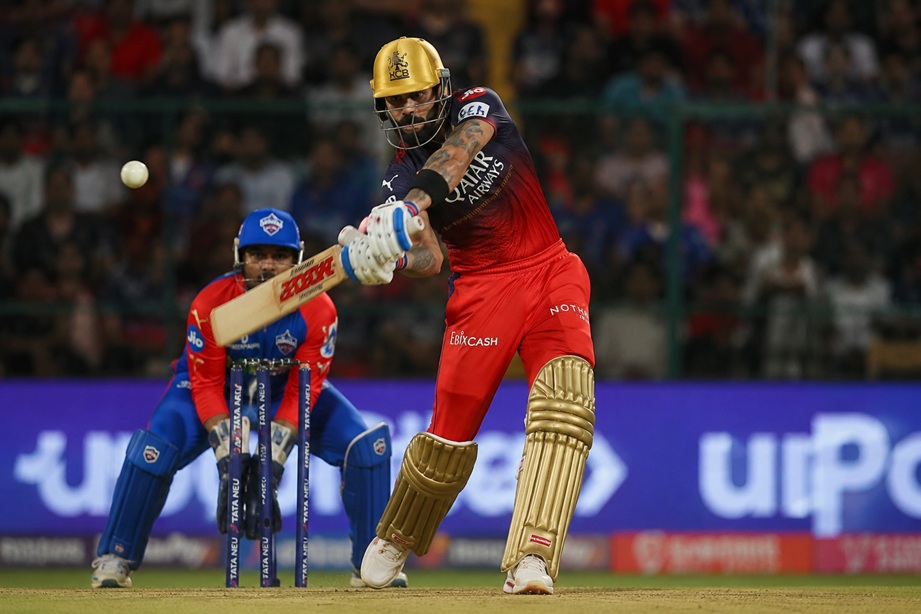
In this context, Virat Kohli reaffirmed his reputation as one of the top run chasers in IPL history.
Instead of playing risky shots, Kohli prioritized understanding the pitch conditions. He secured runs with well-executed drives, smart singles, and precise placements.
His methodology ensured that the score continuously progressed.
The DC vs RCB Scorecard shows that Bengaluru’s chase was not reliant on powerful hitting alone. Rather, it was methodically built on patience, strategic risk management, and creating partnerships—traits that have characterized numerous successful IPL run chases.
Virat Kohli Steers the Innings
Virat Kohli’s score of 51 once again underscored the importance of experience under pressure.
Rather than seeking quick boundaries, he focused on spending time at bat. His knack for rotating the strike kept Delhi’s bowlers from establishing long periods of dominance.
Whenever loose deliveries came his way, Kohli capitalized on them without engaging in unnecessary risks.
His innings showcased:
- Composed decision-making
- Smart running between the wickets
- Timely boundary hits
- Effective partnership management
Post-match, Kohli highlighted that successful T20 pursuits rely more on partnerships than on perpetual aggression, a principle that encapsulated Bengaluru’s performance in this match.
Thus, the DC vs RCB Scorecard conveys much more than mere figures—it demonstrates how controlled batting can surpass reckless assaults on challenging surfaces.
Krunal Pandya Delivers a Match-Winning Showcase
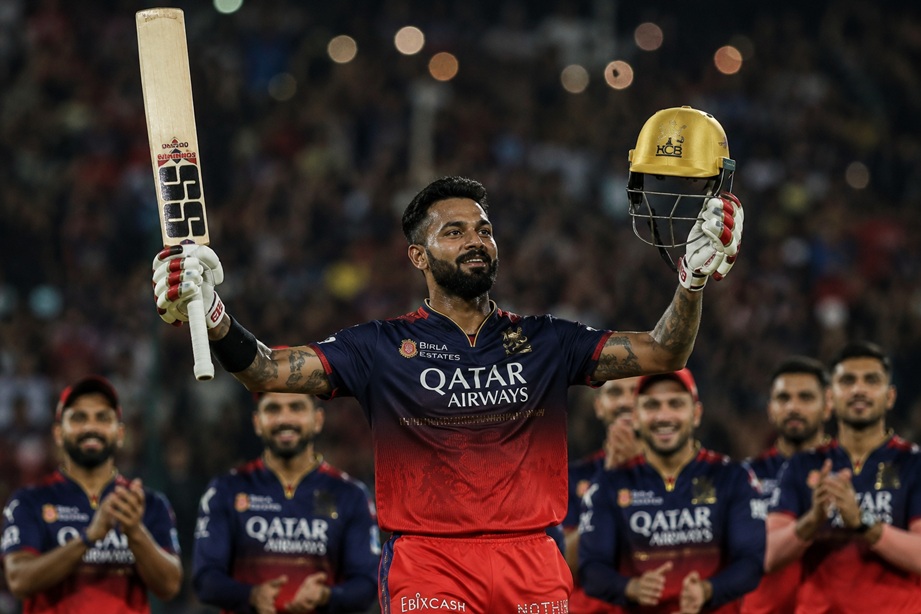
When the team from Bengaluru faced difficulty after a few quick dismissals, Krunal Pandya took charge with one of the best innings of his IPL journey. His not out score of 73 off 47 balls combined steadiness with strategic aggression, allowing RCB to recover without becoming flustered.
Krunal evaluated the playing conditions exceptionally well. Instead of attempting to take control of every delivery, he patiently waited for scoring chances and capitalized on any balls that were overpitched or short. His knack for rotating the strike ensured that the necessary run rate never exceeded manageable limits.
The scorecard for DC vs RCB emphasizes the significance of this innings. Each partnership instilled confidence in the Bengaluru dugout, and Krunal maintained his composure throughout. While Delhi sought breakthroughs, he consistently located gaps and kept the scoreboard active.
His innings included:
- Outstanding ability to rotate the strike against pace and spin
- Composed demeanor during high-pressure moments
- Well-timed boundaries that altered the game’s momentum
- A not out finish that confirmed the victory
This performance showcased precisely why seasoned all-rounders are crucial in T20 cricket.
The Partnership That Altered Everything
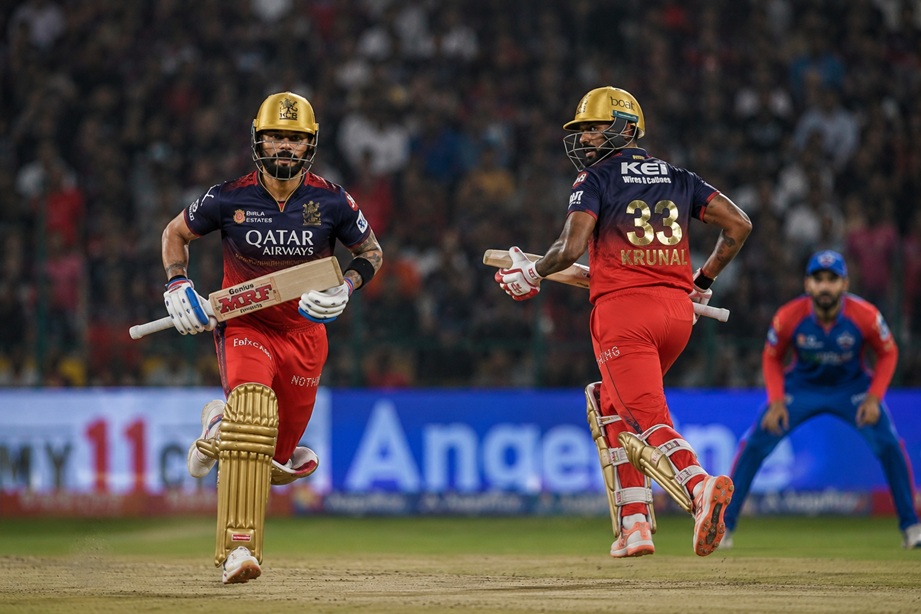
A key moment in the match was the collaboration between Virat Kohli and Krunal Pandya. After Bengaluru suffered early losses, Delhi saw a chance to seize control of the game.
Instead, the experienced duo rebuilt the innings with impressive discipline.
Kohli managed pressure from one end while Krunal slowly broadened his range of strokes. They seldom let the pressure of dot balls build up and consistently turned singles into doubles with their agile running between the wickets.
This partnership left Delhi’s bowlers frustrated, as they struggled to disrupt their flow despite attempting various bowling changes.
Examining the DC vs RCB Scorecard makes it evident that this collaboration transformed the chase. What initially appeared to be a nail-biting finish gradually evolved into a straightforward mission, with Bengaluru achieving the target in 18.3 overs.
Complete Match Scorecard
Delhi Capitals – 162/8 (20 Overs)
| Batter | Runs |
|---|---|
| Abishek Porel | 28 |
| Faf du Plessis | 22 |
| KL Rahul | 41 |
| Tristan Stubbs | 34 |
| Ashutosh Sharma | 16 |
| Others & Extras | 21 |
Top RCB Bowlers
- Bhuvneshwar Kumar – 3 wickets
- Josh Hazlewood – Key breakthroughs
- Krunal Pandya – Tight spell
- Suyash Sharma – Managed middle overs effectively
Royal Challengers Bengaluru – 165/4 (18.3 Overs)
| Batter | Runs |
|---|---|
| Virat Kohli | 51 |
| Krunal Pandya | 73 |
| Tim David | 19 |
| Others | Significant supporting efforts |
Top Delhi Bowlers
- Axar Patel
- Kuldeep Yadav
- Mitchell Starc
The DC vs RCB Scorecard highlights Bengaluru’s well-rounded display with both the bat and ball. Keeping Delhi below 170 before achieving the target with nine balls to spare showcased superb game management.
Key Turning Points
Several moments were pivotal in determining the match’s outcome.
Firstly, Bengaluru’s disciplined bowling hindered Delhi’s ability to accelerate during the final overs. Whenever a batsman seemed settled, RCB managed to secure a breakthrough.
Second, Virat Kohli’s composed half-century provided stability to the chase after early challenges.
Lastly, Krunal Pandya’s not out innings completely transferred the pressure back onto Delhi, who slowly ran out of chances to take wickets.
These instances clarify why the scorecard from DC vs RCB encapsulates a narrative of shifts in momentum rather than clear dominance from either team.
Tactical Analysis
The Royal Challengers Bengaluru executed their strategies remarkably well.
In their bowling, they refrained from giving away easy scoring chances and frequently adjusted their pace to take advantage of the pitch conditions. Their field settings compelled Delhi’s batsmen to gamble against the expansive boundaries.
While chasing, Bengaluru resisted the urge to play recklessly. Instead, they relied on partnerships and made sure to keep wickets in hand for the final overs.
On the other hand, Delhi Capitals began with a positive outlook but failed to maintain pressure after Kohli and Krunal established themselves on the pitch. Their bowlers sought breakthroughs but had difficulty in creating consistent opportunities for taking wickets during the crucial partnership.
Consequently, the DC vs RCB scorecard highlights how strategic discipline is often more impactful than aggressive play in tightly contested IPL encounters.
What the Result Signified for IPL 2025
This win provided a significant boost to Royal Challengers Bengaluru’s ambitions for the playoffs and elevated them to the top position in the IPL 2025 leaderboard at that point in the tournament.
In addition to the two points earned, the outcome demonstrated Bengaluru’s increasing reliability. Securing a victory away from home against a direct competitor for the playoffs enhanced their confidence as the season approached its critical phase.
For Delhi Capitals, the loss emphasized aspects needing enhancement, especially concerning finishing innings robustly with the bat and breaking significant middle-order partnerships while defending total scores.
The DC vs RCB scorecard emerged as one of the most talked-about scorecards during the season as it not only illustrated an important win but also showcased the maturity Bengaluru exhibited when under pressure.
Key Match Statistics
- Delhi Capitals: 162/8 in 20 overs
- Royal Challengers Bengaluru: 165/4 in 18.3 overs
- Result: RCB won by 6 wickets
- Player of the Match: Krunal Pandya
- Virat Kohli: 51 runs
- Krunal Pandya: 73 (not out)
- Bhuvneshwar Kumar: 3 wickets
- Winning margin: 6 wickets with 9 balls to spare
These figures encapsulate a matchup where disciplined play ultimately triumphed over isolated moments of brilliance.
Conclusion
The encounter between Delhi Capitals and Royal Challengers Bengaluru provided all the elements cricket enthusiasts hope for in a high-quality IPL clash. There were early breakthroughs, tense partnerships, tactical bowling adjustments, and a calm conclusion that underscored the importance of experience.
The DC vs RCB scorecard will be remembered for Krunal Pandya’s unbeaten innings that led to victory, Virat Kohli’s reliable fifty, and Bengaluru’s combined bowling performance that limited Delhi to a manageable score. Rather than depending solely on aggressive batting, RCB showcased that patience, partnerships, and strategic decision-making are fundamental to successful T20 chases.
For fans revisiting the DC vs RCB scorecard, this match stands as a prime illustration of how well-rounded team performances frequently eclipse individual brilliance. As IPL 2025 unfolded, this triumph emerged as one of Royal Challengers Bengaluru’s most comprehensive performances of the season, solidifying their status as serious contenders for the championship.