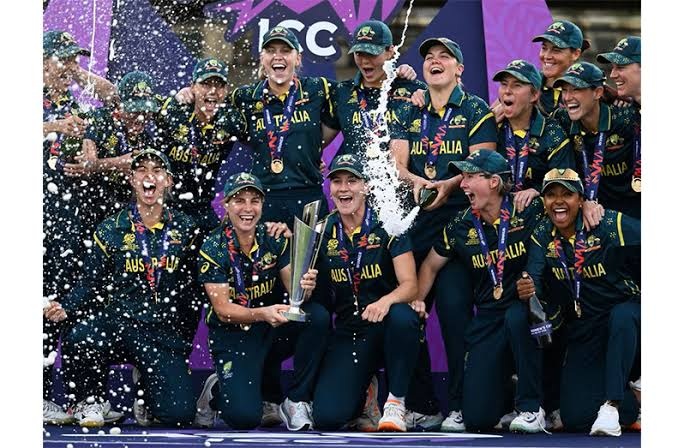

The world of women’s cricket experienced another remarkable moment as Australia showcased a dominant display, overcoming England by seven wickets in the ICC Women’s T20 World Cup 2026 final held at Lord’s. This win not only emphasized Australia’s significant superiority in international cricket but also reinforced their status as the standard-bearer of excellence in women’s sports.
With Beth Mooney’s steady fifty, supported by Phoebe Litchfield’s dynamic hitting and a strong bowling performance, Australia’s seventh T20 World Cup triumph became a celebrated achievement in the cricket community. The success highlighted a flawless tournament journey, reflecting the team’s depth, strategy, and poise in high-pressure situations.
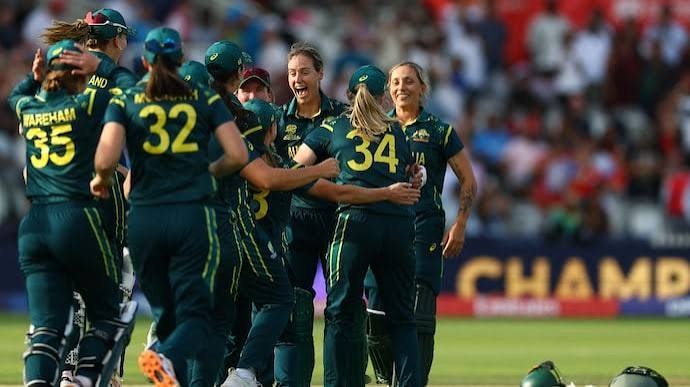
A Memorable Final at the Cricketing Epicenter
Lord’s served as the ideal venue for two unbeaten teams competing for the premier title in women’s T20 cricket. England approached the final with hopes of delighting a full home crowd, while Australia came in eager to reclaim the trophy under a new captain and a revitalized team.
The atmosphere captured the tremendous advancements in women’s cricket in recent times. The iconic location was filled with thousands of devoted fans, creating an electric environment for a matchup featuring one of the sport’s fiercest rivalries.
With this victory, Australia has now achieved a record total of seven Women’s T20 World Cup championships, solidifying a legacy unmatched by any other nation. This win also continued Australia’s impressive record in ICC finals against England, where they have consistently showcased their best cricket during significant moments.
England Responds After Initial Setbacks
England’s innings struggled to find its rhythm in the initial stages. Australia’s focused bowling unit kept the pressure high with their precise lines and sharp fielding skills.
Captain Nat Sciver-Brunt again highlighted her skill as one of the leading all-rounders globally. By scoring an unbeaten 58, she stabilized the innings, ensuring England reached a competitive score despite early dismissals threatening to ruin their efforts.
Freya Kemp played a vital role in an unbeaten partnership that rekindled England’s hopes during the final overs.
Australia’s Bowling Remains Controlled
Multiple Australian bowlers shared the responsibility throughout the innings instead of depending on a single standout artist. Their approach was straightforward yet effective:
- Consistent lengths made scoring boundaries difficult.
- Sharp catching capitalized on every chance.
- Pressure forced England into a defensive batting stance.
- Spin bowlers played a vital part during the middle overs.
Captain Sophie Molineux also executed critical bowling adjustments that prevented England from gaining momentum in the middle overs. Australia ultimately limited England to a total of 150/4, a score that may have seemed competitive but was slightly underwhelming given the caliber of Australia’s batting lineup.
Beth Mooney Steers Another Title Quest
Crucial finals typically highlight seasoned players, and Beth Mooney once again demonstrated her value as one of Australia’s top match winners.
Beginning the innings with impressive calmness, she managed to blend caution with aggression before accelerating her play once settled. Her unerring awareness of match dynamics allowed Australia to dominate the chase from early on.
Mooney’s Match-Winning Knock
Mooney concluded with an outstanding score of 64, which showcased her refined timing, strategic risk-taking, and excellent management of strike rotation.
Her performance exemplified the reasons behind Australia’s success in securing their seventh T20 World Cup title. She managed to handle the initial challenges before capitalizing on the loose balls, preventing the English bowlers from gaining any consistent rhythm.
Phoebe Litchfield Offers Ideal Support
As Mooney led the run chase, Phoebe Litchfield contributed energy with her bold batting style.
The left-handed batswoman made a lively score of 48, confidently attacking the English bowlers and establishing a century partnership that essentially decided the match.
Her readiness to engage in aggressive play allowed Mooney to find her footing while ensuring the team kept up the necessary run rate.
Together, they formed the exact type of partnership one would expect from a championship-caliber team.
The Match-Deciding Partnership
The partnership for the second wicket, totaling 100 runs, completely shifted the power dynamics in favor of Australia, leaving England frantically searching for breakthroughs that never materialized.
Sophie Molineux’s Initial Major Trophy as Captain
Assuming the role from a legendary leader is always challenging, but Sophie Molineux took on the challenge with poise throughout the tournament.
There were uncertainties regarding Australia’s leadership change before the tournament commenced, yet the team thrived admirably under her direction.
Leadership Qualities
Her captaining skills were highlighted by:
- Composed strategic choices.
- Efficient bowling changes.
- Optimistic demeanor.
- Confidence in less experienced players.
- Intelligent fielding arrangements during critical points.
Claiming a world championship in her inaugural global tournament as captain marks an exceptional accomplishment and instills Australia with assurance as they approach future ICC competitions.
The rise of younger athletes alongside seasoned players indicates that Australia’s supremacy might persist for years to come. Australia’s seventh T20 World Cup was not just a tribute to previous successes but also a testament to a promising future.
Australia’s Squad Depth Continues to Set a Benchmark
A primary factor contributing to Australia’s ongoing achievements is the remarkable depth present in every aspect of the team. Injuries, departures, and shifts in leadership have infrequently hindered the team, as fresh talent reliably steps up into significant roles while maintaining team harmony.
In contrast to many national teams that rely heavily on a few standout players, Australia has developed a framework where each individual recognizes her role. Whether it is making contributions with the bat, applying pressure with bowling, or preventing important runs in the field, every player enhances the team’s performance.
This championship journey demonstrated that principle once more. Various players executed match-winning displays throughout the tournament, ensuring that rival teams could not focus solely on neutralizing one player. This united strength ultimately transformed Australia’s seventh T20 World Cup into yet another remarkable feat.
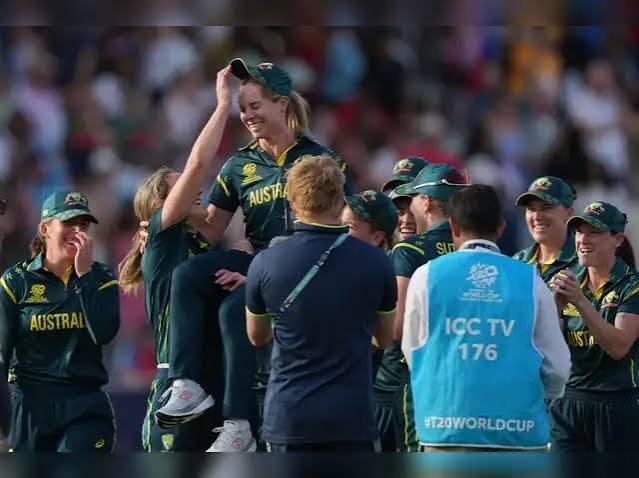
Fielding Made the Difference
Australia’s fielding once again ranked among the best in international cricket. Each run saved intensified the strain on England’s batting lineup.
Key Assets Included
- Exceptional boundary fielding that denied easy fours.
- Reliable catching under pressure conditions.
- Quick ground fielding within the circle.
- Fast throws that limited extra runs.
- Strong communication among fielders.
Contemporary T20 cricket is frequently decided by minute details, and Australia’s determination on the field consistently generated those crucial instances throughout the tournament.
England Show Promise Despite Final Defeat
Even though England fell short in the final, their campaign should not be disregarded. Reaching the final after an unbeaten streak showcased the talent within the squad and underscored the improvement achieved under their present leadership.
Captain Nat Sciver-Brunt reaffirmed her status as one of the leading all-rounders globally. Her undefeated half-century provided England with a fighting opportunity after early setbacks, while the bowling lineup persevered in seeking breakthroughs despite Australia’s strong partnership.
England also gained from significant contributions throughout the tournament by both seasoned internationals and up-and-coming players. Their well-rounded squad indicates they will continue to be one of Australia’s top competitors in upcoming ICC events.
The final may have resulted in disappointment, but England departs the tournament with the assurance that the gap between the two teams is steadily closing.
Moments That Defined the Final
Numerous pivotal moments influenced the championship match and ultimately determined the trophy’s recipient.
The Most Impactful Instances Included
- Australia’s disciplined bowling during the initial powerplay.
- Nat Sciver-Brunt revitalizing England’s innings.
- Beth Mooney’s poised and steady half-century.
- Phoebe Litchfield’s bold counterattack.
- The match-winning century partnership.
- Strategic captaincy from Sophie Molineux during critical periods.
Each of these moments highlighted Australia’s ability to maintain composure under stress while seizing every opportunity.
A Legacy That Keeps Growing
Australian women’s cricket has celebrated unmatched success for over a decade, yet each new title holds its unique importance. This victory came at a time of transition, with fresh leaders and younger players assuming greater roles.
This makes this championship especially significant.
Instead of depending exclusively on seasoned veterans, Australia showcased that the younger generation is entirely equipped to uphold the nation’s remarkable standards. Emerging players integrated effortlessly with seasoned stars, forming a team that can adjust to any circumstance.
As such, Australia’s triumph in their seventh T20 World Cup signifies far more than just another accolade. It represents the effectiveness of Australia’s nurturing system, coaching framework, and strategic foresight.
Cricket enthusiasts globally have observed Australia continually advance while upholding a culture of winning. This ethos has emerged as a crucial narrative in contemporary women’s sports.
What This Victory Signifies for Women’s Cricket
Each significant ICC tournament aids in broadening the global presence of women’s cricket, and this final marked yet another pivotal step.
A full crowd at Lord’s, international television viewers, and heightened online interaction showcased the sport’s rising popularity. Young cricketers from various nations experienced another exhibition of top-tier competition conducted at the highest level.
Australia’s persistent high performance also elevates the bar for competing countries, motivating increased investment in coaching, local leagues, and player advancement.
The Tournament Revealed a Variety of Positive Developments
- Elevated overall performance levels.
- Rising competitiveness among top nations.
- Enhanced global fan engagement.
- Increasing economic value of women’s cricket.
- Additional chances for aspiring young athletes.
These advancements indicate a promising future for international women’s cricket.

Looking Forward
Securing one ICC title often invites new challenges rather than offering a chance to unwind. Australia will now stand as the team that every nation strives to defeat, facing the pressures that accompany being world champions.
Fortunately for supporters in Australia, the team seems well-prepared for that challenge.
Veteran players continue to excel in significant matches, while younger athletes are quickly making their mark on the world stage. The blend of youth and experience creates a solid foundation for ongoing success.
England, India, South Africa, New Zealand, and other elite teams will certainly analyze Australia’s strategies closely ahead of the forthcoming global competition. As women’s cricket expands, the competition is anticipated to intensify.
For the moment, however, Australia remains the clear standard.
Conclusion
Australia’s triumph at Lord’s was considerably more than another World Cup victory. It highlighted exceptional planning, exemplary teamwork, strategic acumen, and impressive steadiness under pressure. From Beth Mooney’s pivotal innings to Phoebe Litchfield’s bold batting and Sophie Molineux’s steady leadership, every area played a crucial role in this well-earned championship.
The path to Australia’s seventh T20 World Cup was built on discipline rather than mere individual talent. Australia again demonstrated that ongoing excellence derives from solid systems, player nurturing, and a culture that expects the highest standards whenever the team enters the field.
As festivities proceed, this victory will be remembered not just as Australia’s seventh Women’s T20 World Cup title but also as another important milestone in the ongoing advancement of women’s cricket globally. The accomplishment strengthens Australia’s standing among the greatest sporting legacies and provides an inspiring model for future generations eager to contend on the international stage.