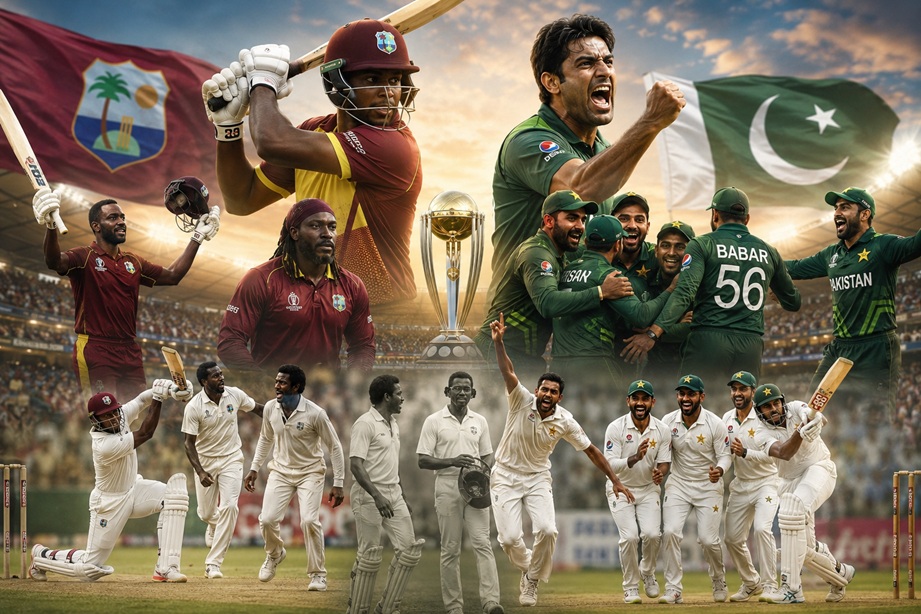

Cricket has fostered many iconic rivalries, yet few have developed as significantly as the competitions between the West Indies and Pakistan. Over the span of almost seventy years, these two cricket nations have engaged in memorable Test matches, exhilarating One-Day Internationals, and intense T20 encounters. The West Indies vs Pakistan Timeline illustrates the shifts in eras, legendary leaders, memorable performances, and the overall progression of international cricket itself.
This rivalry commenced during the traditional Test era of cricket and gradually evolved to encompass all formats of the sport. From the Caribbean’s fast-bowling supremacy to Pakistan’s skill in reverse swing and strategic insight, each generation of players has contributed a distinct chapter to this extraordinary narrative of sport. Currently, this rivalry stands as one of the most esteemed contests in cricket, as neither team has persistently dominated throughout every era.
The Dawn of a Historic Rivalry (1958–1959)
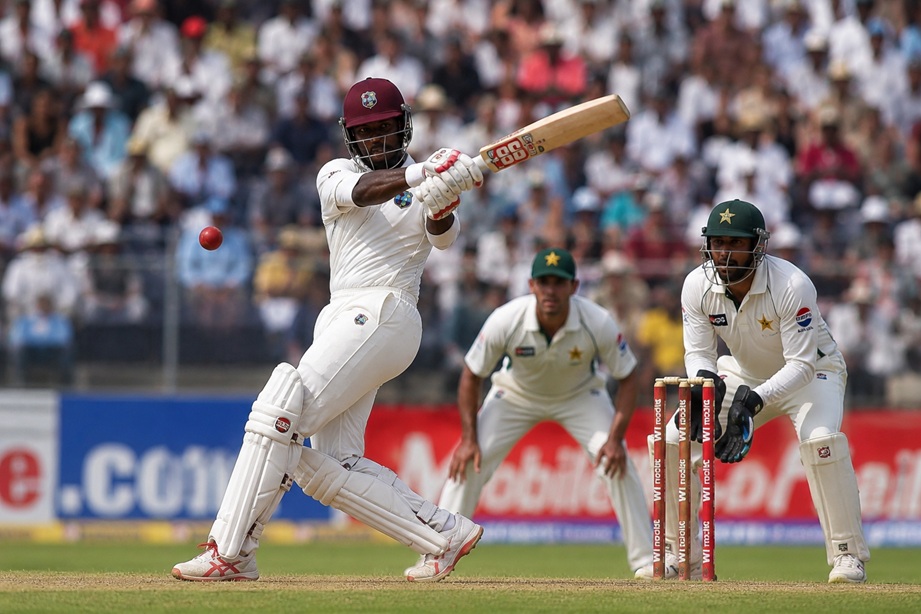
The tale officially began in January 1958 when Pakistan visited the Caribbean for its inaugural Test series against the West Indies. This was more than just another bilateral encounter. Pakistan was in the process of establishing its presence in international cricket, whereas the West Indies already boasted numerous top-tier batsmen globally.
The first Test at Kensington Oval ended in a draw, with Pakistan displaying remarkable grit despite needing to follow on. This achievement immediately gained respect throughout the international cricket community as it was never an easy task to withstand the Caribbean bowling attack.
Though the West Indies ultimately won the series 3-1, Pakistan marked a significant milestone by securing victory in the fifth Test, demonstrating that they could compete against one of the sport’s strongest teams. This series forged the groundwork for numerous years of competitive cricket.
Pakistan’s Home Reaction
Just a year later, the Caribbean team made a visit to Pakistan.
The circumstances were entirely different.
With slow pitches, spin-friendly conditions, and supportive home crowds, Pakistan reversed the previous outcomes by claiming the three-Test series 2-1. This quickly highlighted one recurring theme throughout their rivalry—the critical role of home advantage.
The 1960s and Early 1970s: Cultivating Mutual Respect
During the 1960s, both nations worked towards enhancing their standings in international cricket.
Pakistan garnered a reputation for meticulous batting and strategic spin bowling, while the West Indies continued to nurture technically proficient batsmen adept at crafting lengthy innings under pressure.
Although encounters between the teams were less frequent compared to modern schedules, every series was fiercely competed as both teams were developing into authentic world-class contenders.
Several rising stars from both nations began to make their impact, setting the groundwork for an even more intense rivalry in the years to come.
West Indies Enter Their Golden Era
The mid-1970s brought a transformation to world cricket.
After claiming victory in the inaugural Cricket World Cup in 1975, the West Indies embarked on one of the most exceptional periods a sports team has ever experienced. Led first by Clive Lloyd and later by Viv Richards, the Caribbean team established dominance in international cricket with bold batting and ferocious fast bowling.
The renowned four-pronged pace attack, featuring bowlers such as Michael Holding, Malcolm Marshall, Joel Garner, and Andy Roberts, stunned batting orders around the globe.
Pakistan encountered what could be considered the most formidable test for any team visiting during this timeframe.
Even seasoned Pakistani batsmen found it difficult to contend with the unyielding speed, bounce, and intensity present on the pitches in the Caribbean.
In spite of the challenging circumstances, Pakistan managed to deliver remarkable performances at times that showcased their tenacity and capability to compete with the elite teams globally.
Memorable Series of 1977
The 1977 Test series emerged as a landmark series in the rivalry’s history.
Although West Indies ultimately triumphed in the series, Pakistan achieved a significant victory in the fourth Test, proving they had the skill to challenge even the most powerful team in cricket.
Rather than being lopsided, the series revealed incredible resolve from both teams and fostered mutual admiration between two prestigious cricketing nations.
Legendary Players Who Defined an Era
Remarkable rivalries are often remembered for the extraordinary players rather than merely their statistics.
For West Indies
Several legendary figures consistently altered the course of matches on their own.
- Sir Garfield Sobers exhibited unparalleled all-around talent.
- Clive Lloyd redefined the role of leadership in Caribbean cricket.
- Viv Richards struck fear into bowlers with his bold batting style.
- Malcolm Marshall earned his status as one of the finest fast bowlers in the game.
For Pakistan
Pakistan had its own set of legends too.
- Hanif Mohammad showed remarkable perseverance and focus.
- Javed Miandad thrived when faced with pressure.
- Imran Khan motivated Pakistan with his exceptional fast bowling and charismatic leadership.
- Abdul Qadir introduced a creative flair to leg-spin during a time dominated by pace bowling.
These athletes ensured that every match garnered global interest.
The Competitive 1980s
Unlike the preceding decade, the 1980s offered a much more equal contest.
Pakistan matured into one of the leading Test-playing nations in cricket, while West Indies still held the title of the world’s standard.
Many series concluded with shared results or narrow victories, emphasizing just how evenly matched both sides had become.
The introduction of reverse swing further enhanced Pakistan’s bowling lineup. Imran Khan led the attack and was later joined by Wasim Akram and Waqar Younis, providing bowlers who could challenge even the most formidable Caribbean batting order.
Simultaneously, West Indies persisted with their relentless fast bowling and strict fielding standards that became synonymous with their identity.
The rivalry moved away from having a clear favorite prior to each series.
Instead, the outcomes became increasingly influenced by conditions, current form, and individual brilliance.
A Rivalry Built on Contrasting Styles
One of the most intriguing elements of the West Indies versus Pakistan narrative has always been their differing cricketing philosophies.
West Indies traditionally relied on:
- Explosive batting capability
- Intense fast bowling
- Dynamic fielding
- Dominating body language
Pakistan typically found success through:
- Tactical flexibility
- Mastery of reverse swing
- Exceptional spin bowling
- Unpredictable but decisive flair in matches
These differing approaches led to contests that felt fresh and exciting. Each generation introduced new heroes, unique tactical encounters, and unforgettable moments that kept fans engaged, regardless of team rankings.
West Indies Rise Again in the 1990s
The 1990s represented an intriguing phase in this enduring rivalry. Although the West Indies did not maintain the same level of supremacy they had in the 1980s, they still held players capable of turning a game around in a single session. Pakistan, on the other hand, commenced the decade with one of the most formidable fast bowling units in cricket history.
Matches between these two teams grew more competitive as each side boasted elite talent. Pakistan often depended on their disciplined bowling and seasoned middle-order batsmen, whereas the West Indies kept producing naturally aggressive players who could swiftly alter the game’s momentum.
Brian Lara’s Influence
Any analysis of this rivalry would be lacking without the mention of Brian Lara. His graceful batting style caused difficulties for bowlers everywhere, including Pakistan’s renowned pace attack.
Lara’s knack for building lengthy innings frequently determined the outcomes of matches. Even against legendary bowlers like Wasim Akram, Waqar Younis, and Saqlain Mushtaq, he exhibited remarkable patience and superb shot choices.
Nonetheless, Pakistan consistently countered with stellar bowling displays, ensuring that each series was unpredictable instead of one-sided.
Pakistan’s Golden Bowling Generation
The late 1990s and early 2000s saw Pakistan harness one of the finest collections of fast bowlers in the sport.
Wasim Akram, Waqar Younis, Shoaib Akhtar, and later Mohammad Asif continually tested West Indies batsmen with their pace, swing, and reverse swing. Their performances often compensated for batting failures and enabled Pakistan to achieve critical victories abroad.
Simultaneously, the West Indies were in the process of rebuilding after several iconic players retired. New cricketers gradually emerged, ensuring that the rivalry stayed competitive despite generational shifts.
The West Indies versus Pakistan timeline transitioned into a phase where seasoned players shared the game with rising talent, creating new narratives for fans around the globe.
The ODI Era Brings New Excitement
With the rise in popularity of One-Day Internationals, encounters between Pakistan and the West Indies became more regular.
Both teams engaged in significant ICC tournaments, bilateral ODI series, and tri-nation events. Limited-overs formats favored aggressive batting and inventive bowling, leading to numerous unforgettable finishes.
Pakistan generally established a solid reputation for disciplined bowling and versatile batting line-ups, while the West Indies gained recognition for their explosive hitters who could successfully chase challenging targets.
Some of the most thrilling matches during this time were resolved in the final overs, emphasizing the unpredictability that has consistently characterized this rivalry.
Cricket in the UAE: A New Home for Pakistan
Due to safety issues, Pakistan was unable to host international cricket at home for several years, which resulted in the United Arab Emirates serving as their interim home ground.
Even though it was technically neutral territory, Pakistan adapted remarkably well to the playing conditions in Dubai, Abu Dhabi, and Sharjah.
The West Indies visited the UAE on multiple occasions, leading to competitive Test, ODI, and T20I matches.
Pakistan’s experience with slow pitches and disciplined bowling generally tipped the scales, while West Indies relied on their formidable batting to contend with such conditions.
These series illustrated how the rivalry continued to develop, despite the changes in venue and circumstances.
The T20 Revolution
The emergence of Twenty20 cricket added a thrilling new layer to the game.
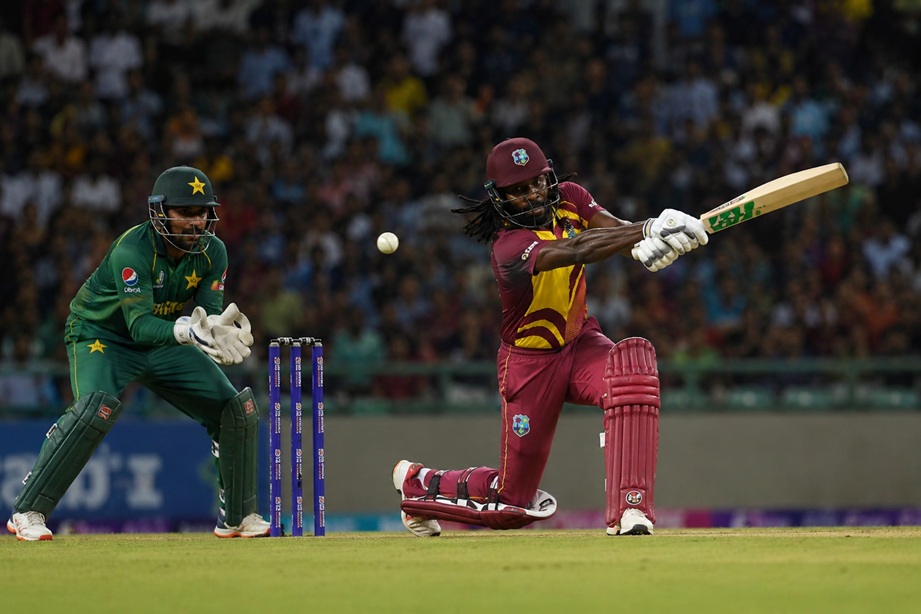
West Indies swiftly became recognized as one of the top T20 teams worldwide due to their bold batting style. Their power hitters, known for consistently clearing the ropes, made them formidable adversaries.
In contrast, Pakistan employed a different method.
They concentrated on meticulous bowling, agile fielding, and strategic batting collaborations.
This difference led to exciting matches where no target ever felt fully secure.
Games often shifted momentum in both directions, culminating in thrilling finishes that captivated fans around the globe.
Thus, the timeline of West Indies versus Pakistan extended well past conventional Test cricket to encompass every key international format.
Recent Years: 2020–2026
The rivalry has stayed significant throughout the years of the 2020s.
Pakistan has continued nurturing technically skilled batsmen, backed by effective pace bowling, while West Indies has concentrated on reconstructing their team with a blend of seasoned players and promising newcomers.
Although their rankings have varied, encounters between these sides consistently draw worldwide interest since history has shown that either team can deliver match-winning displays regardless of their current form.
By 2026, both countries remained dedicated to fostering young talent while maintaining the competitive essence that has defined their rivalry since 1958. Historical evidence from international cricket indicates that battles between Pakistan and West Indies have consistently garnered attention for nearly seventy years across Tests, ODIs, and T20 Internationals. (ESPNcricinfo Records, ICC)
Head-to-Head Legacy
Across the three international formats, Pakistan and West Indies have created countless unforgettable instances.
Some key features of the rivalry include:
- Exciting Test series held on various continents.
- Outstanding fast bowling from both countries.
- Numerous batting legends achieving remarkable centuries.
- Narrow ODI matches during ICC competitions.
- Captivating T20 matches showcasing powerful batting.
- Continuous transition between different generations of stars.
Instead of being remembered for a single dominant era, this rivalry is noteworthy for its introduction of new heroes and innovative tactical confrontations with each decade.
Greatest Players to Shape the Rivalry
Many iconic cricketers have transformed these matchups into something beyond regular bilateral series.
For West Indies:
- Sir Garfield Sobers
- Clive Lloyd
- Viv Richards
- Malcolm Marshall
- Curtly Ambrose
- Brian Lara
- Shivnarine Chanderpaul
- Chris Gayle
For Pakistan:
- Hanif Mohammad
- Javed Miandad
- Imran Khan
- Wasim Akram
- Waqar Younis
- Saqlain Mushtaq
- Younis Khan
- Babar Azam
Every era has given unforgettable displays that have strengthened the global standing of this rivalry.
Why This Rivalry Still Matters
In today’s cricket landscape, with busy international schedules, franchise competitions, and novel tournaments, traditional rivalries still resonate with fans.
The matchup between Pakistan and West Indies is unique as both teams embody different cricketing identities.
Historically, West Indies have captivated followers with their fearless batting, innate athleticism, and thrilling fast bowling.
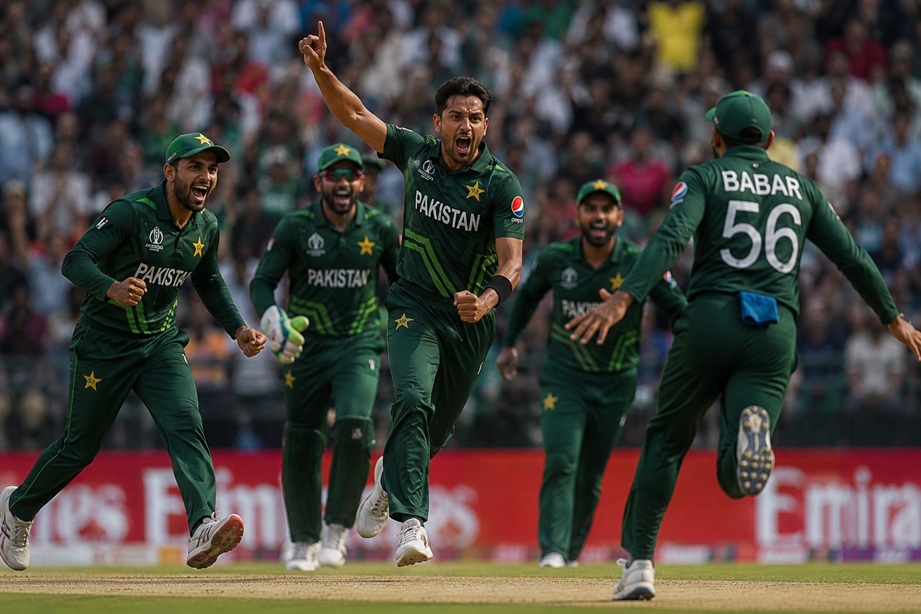
Conversely, Pakistan has gained respect for their strategic acumen, unpredictable genius, and exceptional bowling capabilities.
When these teams clash, fans anticipate competitive games rather than straightforward outcomes.
The timeline of West Indies against Pakistan encompasses much more than mere victories and defeats. It narrates the journey of two proud cricketing nations evolving through the ages while upholding the fervor that united them initially in 1958.
Conclusion
From their first Test series in 1958 up to their current competitions in 2026, Pakistan and West Indies have established a highly esteemed rivalry in the realm of international cricket. Each decade has brought forth remarkable athletes, memorable games, and important achievements that continue to motivate cricket fans around the globe.
In the 1970s and 1980s, the Caribbean fast bowling lineup was formidable, and Pakistan experienced its famous era of reverse swing. Brian Lara showcased his graceful batting skills, while the thrilling excitement of contemporary T20 matches has made each era a memorable addition to their conflict.
As both nations focus on cultivating the next wave of international talent, this longstanding rivalry is set to remain a vital aspect of global cricket for years ahead. The West Indies vs Pakistan Timeline serves not just as a record of historical contests; it tells a lasting tale of determination, brilliance, and sporting legacy that has captivated supporters for almost seventy years.
“`html