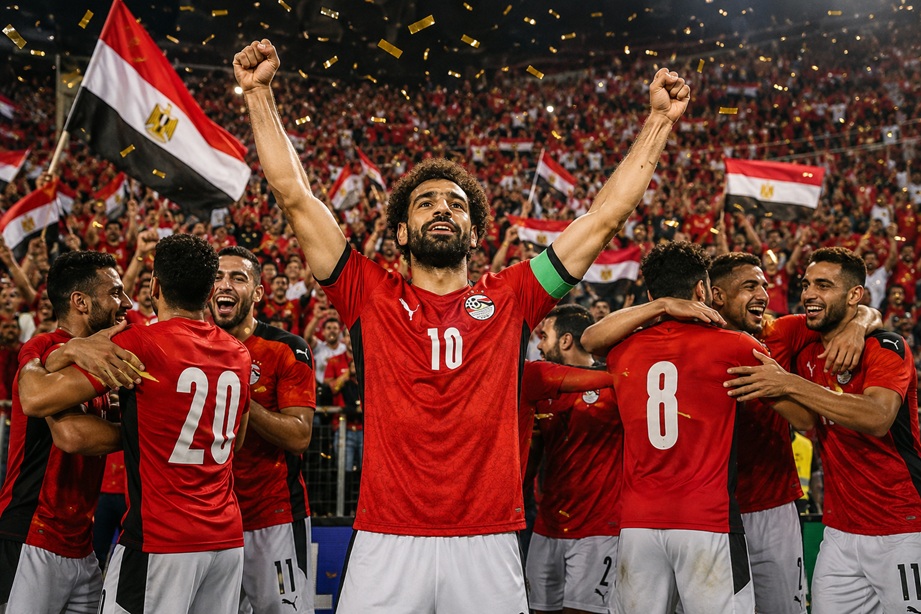

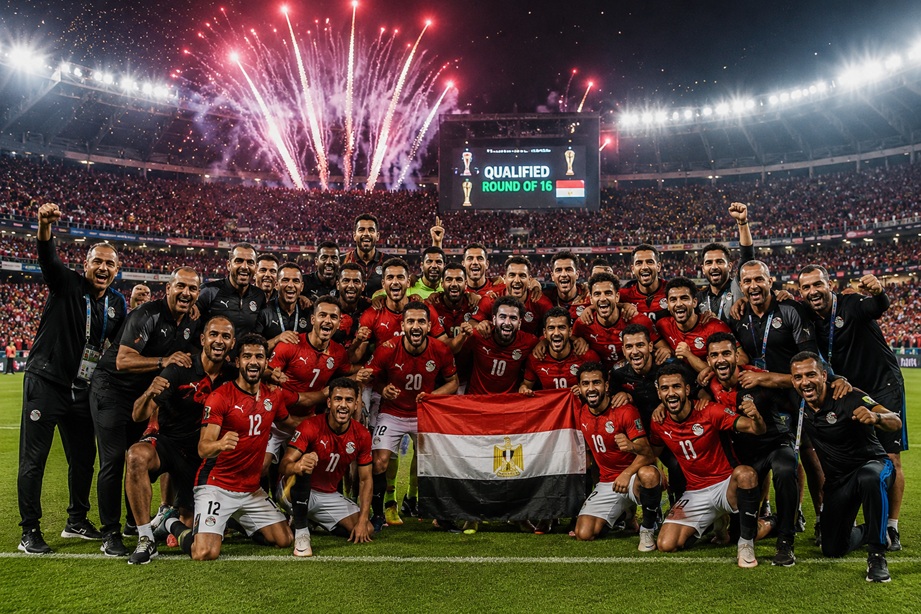
For many years, fans of Egyptian football had the aspiration of seeing their national team progress beyond the group stage of the FIFA World Cup. That aspiration has now materialized. Egypt’s entry into the Round of 32 has turned into one of the most remarkable narratives of the tournament after the Pharaohs achieved a spot in the knockout rounds for the first time in their history. This success signifies a pivotal moment not just for Egyptian football but also for the continent of Africa in the realm of international sports.
Under the leadership of captain Mohamed Salah and the direction of coach Hossam Hassan, Egypt showcased tenacity, discipline, and tactical acumen consistently throughout Group G. Their journey comprised valiant performances against formidable opponents, culminating in a vital draw with Iran that ensured their advancement to the Round of 32.
In contrast to earlier World Cup outings, where promising situations frequently ended in frustration, this team showed remarkable poise when faced with pressure. Each point collected during the group stage was crucial as Egypt concluded their group in the second position with five points, slightly trailing Belgium on goal difference. Their reward is an intriguing knockout matchup against Australia.
The enlarged 48-team format of the FIFA World Cup has opened doors for rising football nations, yet Egypt still had to secure their place by delivering consistent performances rather than depending on favorable conditions. Their undefeated campaign in the group stage showcased a squad that fused experience with increasing self-assurance.
Egypt’s Group Stage Journey
As the tournament began, Group G posed a substantial challenge. Belgium was seen as the favourite, while both Iran and New Zealand had the potential to present difficulties. Egypt recognized that each game would be crucial in evaluating their chances of creating history.
Their first match exhibited their defensive structure and strategic patience, instilling confidence in the supporters that they could compete against top-level teams. Although scoring opportunities were limited at the start of the tournament, Egypt’s solid framework ensured their position remained secure.
The momentum significantly shifted during the second group match against New Zealand. After going a goal down, Egypt mounted a remarkable second-half revival to achieve their inaugural FIFA World Cup victory. Mohamed Salah played a pivotal role in this turnaround with another compelling performance, as the entire team responded admirably following a challenging first half.
This victory greatly enhanced Egypt’s prospects for advancement and elevated the stakes for the final match against Iran.
The Game That Transformed Egyptian Football
The critical match against Iran was laden with pressure. Both teams recognized that their future in the tournament hinged on the result, making every minute significant.
Egypt took the lead through Mahmoud Saber, igniting hope among supporters for qualification. Iran quickly equalized, turning the rest of the match into a tense strategic contest. Both teams generated chances, but neither was able to seize complete control.
Goalkeeper Mostafa Shobeir emerged as a key figure of the night. His crucial penalty save and several remarkable stops kept Egypt competitive during pivotal moments of the match. As Iran pressed intensely in the dying minutes, the atmosphere in the stadium became increasingly charged.
The intense conclusion saw Iran think they had secured a last-minute winner, only for VAR to declare the goal offside upon review. This ruling maintained the 1-1 tie and ensured Egypt’s passage to the knockout stages.
For countless Egyptian fans worldwide, those closing minutes will forever be etched in memory.
Mohamed Salah’s Influence
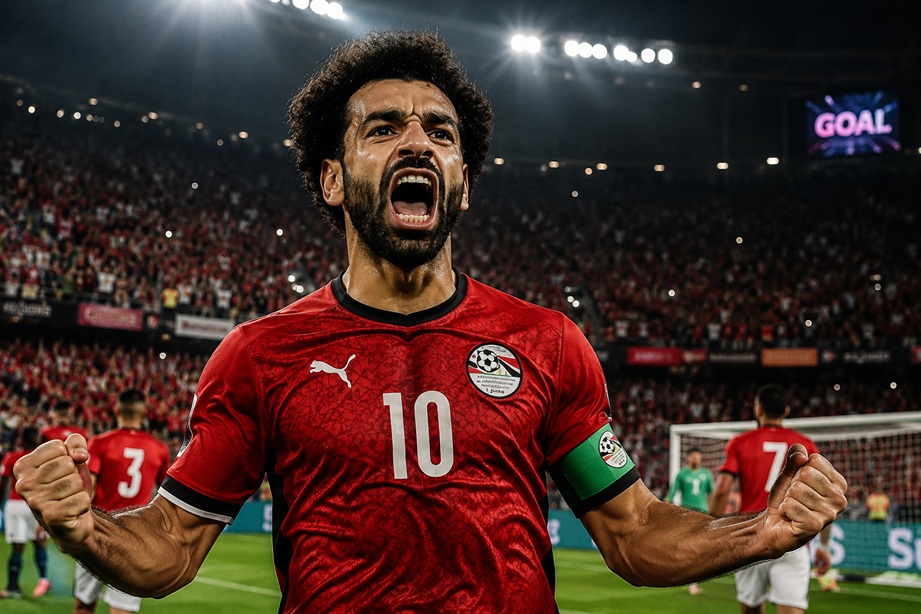
Whenever Egypt participates in a significant tournament, all eyes inevitably turn to Mohamed Salah. This World Cup has reaffirmed his status as the nation’s most pivotal football player.
Instead of shouldering all the offensive responsibility by himself, Salah has taken on a more expansive leadership role. His movement, creativity, and experience have aided younger players in adapting to the competition, while his composed decision-making has brought stability during intense moments.
Though media often highlights his goal tally, Salah’s impact goes far beyond mere numbers. His ability to press, pass, and draw defenders consistently generates chances for his teammates throughout the group matches.
Coach Hossam Hassan commended Salah’s professionalism along with the overall dedication displayed by the team following their qualification. However, after the match against Iran, there was a moment of worry when Salah requested to be substituted due to a potential hamstring problem. Preliminary evaluations indicated the injury was not serious, yet the medical team planned further assessments ahead of the Round of 32 clash with Australia.
Even if his fitness needs cautious oversight, Salah’s mere presence boosts the team’s morale significantly.
A Collective Effort Beyond the Spotlight
While Salah naturally garners worldwide media attention, Egypt’s remarkable qualification is a testament to efforts from all levels of the team. The defense remained cohesive throughout the tournament, midfielders diligently managed transitions, and substitutes consistently injected energy when necessary.
Multiple performances showcased the team’s increasing maturity:
Key Strengths Displayed Throughout the Tournament
- Solid defensive structure against skillful opponents.
- Heightened attacking confidence following the initial match.
- Outstanding goalkeeping during critical moments.
- Strategic adaptability under Hossam Hassan.
- Composed mindset despite pressure of knockout qualification.
This blend of seasoned leaders and emerging talents has evolved Egypt from mere hopefuls into serious contenders for the knockout stages.
As the Pharaohs gear up to face Australia in the Round of 32, confidence within the squad continues to rise. Their journey has already made a significant mark on Egyptian football history, yet the team is aware that an even greater accomplishment may still be within reach.
Tactical Analysis: Why Egypt Succeeded
A key factor contributing to Egypt’s impressive World Cup journey has been their tactical discipline. During the group stage, head coach Hossam Hassan assembled a team that could adjust to various rivals instead of depending on one style of play. This adaptability became essential when facing teams with differing strengths.
The midfield consistently worked hard to obstruct passing options, pushing opponents into wider spaces where Egypt’s defenders remained tight. Rather than pushing too many players forward, the Pharaohs generally attacked with well-planned numbers, minimizing the chances of risky counterattacks.
This even strategy allowed Egypt’s hopes of advancing to the Round of 32 to stay alive in every match. Rather than pursuing flamboyant wins, Egypt prioritized accumulating points through clever game management and consistent defense.
Possession data often did not reflect the whole picture. Egypt often permitted opponents to have more possession but managed to restrict clear scoring chances. Once they regained the ball, fast transitions created threatening situations by utilizing the speed of their wide players alongside Mohamed Salah’s movement.
Another positive aspect has been the team’s mental toughness. Falling behind against New Zealand could have easily shaken their confidence, yet Egypt rebounded strongly with one of the tournament’s memorable comebacks. Their ability to bounce back from difficulties illustrates a team that has grown significantly over recent years.
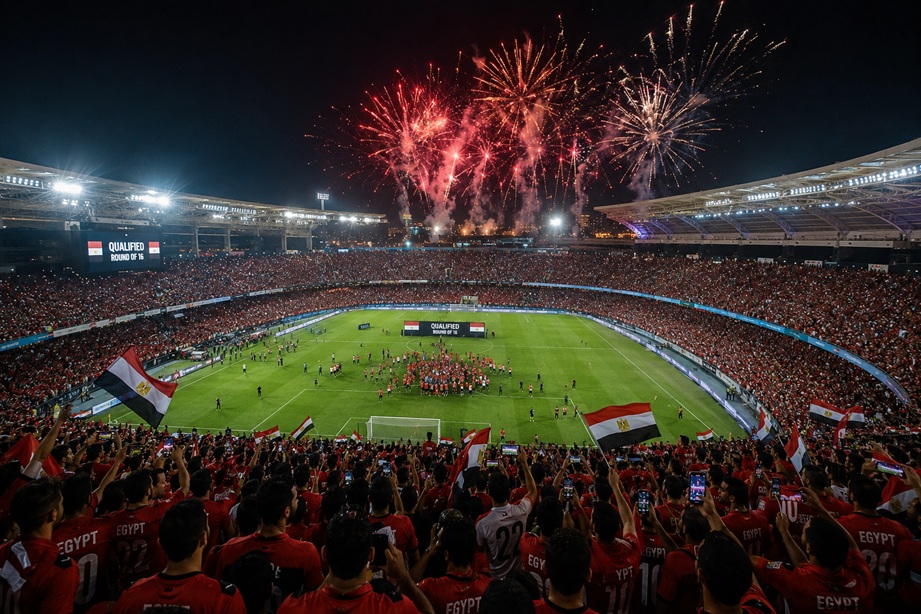
Defensive Stability Made the Difference
Egypt’s defensive setup warrants specific commendation. The center-backs maintained excellent positioning while the full-backs combined offensive support with defensive duties.
Goalkeeper Mostafa Shobeir also emerged as one of the tournament’s unexpected standout players. His penalty save against Iran, alongside several critical interventions during the group stage, helped keep Egypt competitive during challenging moments.
Defense has never relied solely on individual talent. Communication, discipline, and shared responsibility have all played a role in Egypt’s formidable defensive record.
Players Who Stepped Up
Even though Mohamed Salah is Egypt’s most prominent player, this success has been built on the contributions from the entire team.
Numerous players have quietly put forth exceptional performances:
Key Contributions
- Mostafa Shobeir instilled confidence with his remarkable goalkeeping skills.
- Mahmoud Saber netted the vital goal against Iran.
- The midfield consistently safeguarded the defensive line while initiating counterattacks.
- Younger squad members accepted the pressure of their inaugural major World Cup experience.
This united mentality has turned Egypt into a well-rounded team capable of going head-to-head with higher-ranked countries.
The coaching staff should also be acknowledged for their adept management of squad rotation. Fresh players from the bench maintained intensity late in games, especially in physically demanding encounters.
Australia Present a New Challenge
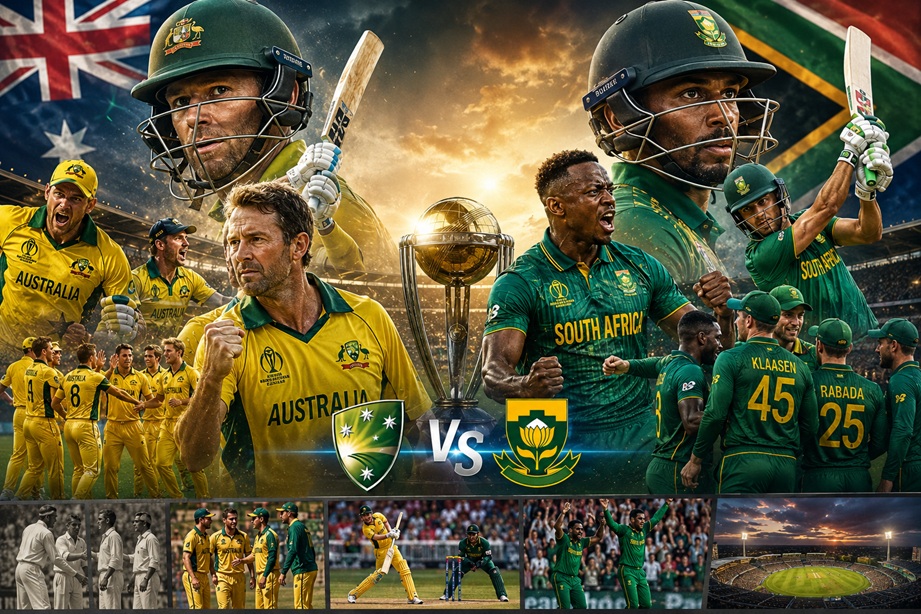
The reward for Egypt’s groundbreaking qualification is a matchup against Australia in the Round of 32. While Egypt approaches the game with great confidence, they recognize that the knockout phase poses an entirely different set of challenges.
Australia is recognized for their physical style, structured defense, and tireless work ethic. Their capability to compete against technically superior teams has garnered respect in prior World Cups, making them a threat regardless of their rankings.
For Egypt, managing transitions in midfield will likely influence the final result. If Salah and the offensive players get excellent support while the defense remains structured, the Pharaohs can confidently think they have the potential to extend their remarkable journey.
The coaching team will keep a close watch on Salah’s physical condition after he felt some discomfort during the last group game. Even if he isn’t operating at peak performance, Egypt has already proven they have enough collective strength to function effectively as a group, without depending on one star player.
The upcoming World Cup Round of 32 match for Egypt is set to be among the most captivating matchups in the knockout stage, with both countries aiming for another milestone.
What This Qualification Signifies for Egyptian Football
Advancing to the knockout phase signifies far more than a single successful event. It embodies years of growth, commitment, and faith in Egyptian football.
The young athletes observing this World Cup now have concrete evidence that Egypt can stand toe-to-toe with the elite teams globally. Achievements on this grand stage motivate future players, foster grassroots involvement, and boost self-esteem throughout the national football framework.
This success also highlights Africa’s increasing role in the realm of international football. Recent competitions have shown that African squads are becoming more capable of taking on established powerhouses, and Egypt’s journey contributes another significant chapter to that narrative.
Fans all over the nation have celebrated both the victories and the determination displayed by the athletes. The squad has embodied resolve, cohesion, and professionalism—traits that extend beyond the realm of football.
Can Egypt Advance Further?
While they have already made history, Egypt’s aspirations are not likely to conclude here.
In knockout football, teams that defend effectively, remain structured, and capitalize on scarce chances are often rewarded. Egypt has exhibited all three characteristics during the group phase.
If they keep their tactical focus and continue to refine their performance in the attacking zone, another surprise could be on the horizon. With each game, confidence is on the rise, and momentum can be a significant element in tournament play.
No matter the outcome against Australia, this World Cup will be regarded as a pivotal moment for Egyptian football. The players have illustrated that conviction, preparation, and collaboration can surpass expectations.
The achievement of reaching the World Cup Round of 32 will stand as a landmark event in the country’s sports history. It has brought fans together, inspired upcoming generations, and established Egypt as a legitimate contender on football’s most prominent platform.
With the knockout stages commencing, the Pharaohs have already surpassed numerous forecasts. Yet within the locker room, the concentration will shift away from reflecting on past accomplishments—it will be directed towards forging even more history.
Conclusion
Egypt’s journey to the FIFA World Cup Round of 32 is more than just a tournament success—it is a landmark achievement that reflects the growth, resilience, and determination of the national team. From navigating a challenging group to delivering composed performances under immense pressure, the Pharaohs have shown that they belong among the world’s top footballing nations. Their ability to remain disciplined, adapt tactically, and perform as a united squad has been the foundation of this historic campaign.
Mohamed Salah’s leadership has undoubtedly inspired the team, but Egypt’s success has also been built on collective effort. Every player, from the goalkeeper to the substitutes, has contributed at crucial moments, proving that teamwork can overcome even the toughest challenges. The coaching staff also deserve recognition for preparing the squad with a clear game plan and the flexibility to respond to different opponents.
As Egypt prepares for the Round of 32 clash against Australia, excitement continues to build among supporters around the world. Regardless of the result, this World Cup campaign has already rewritten Egyptian football history and inspired a new generation of players and fans. If the Pharaohs can maintain their confidence, defensive organisation, and fighting spirit, there is every reason to believe that their remarkable World Cup story is far from over.
“`html