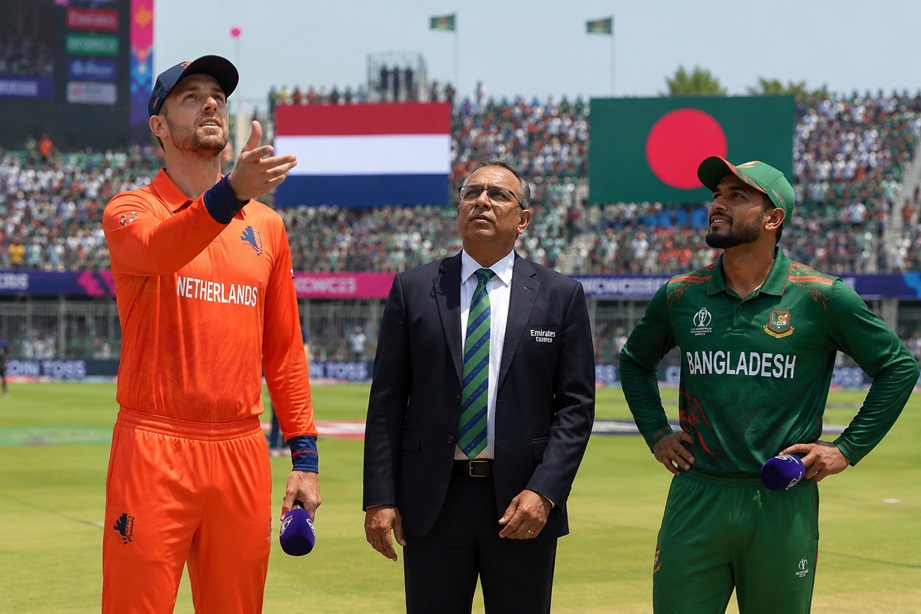

Cricket has witnessed numerous intriguing rivalries beyond the conventional matchups among the most prominent nations, with the Timeline of Netherlands versus Bangladesh standing out. While these two squads have not clashed as often as some of the more renowned cricketing nations, every match has contributed a distinct entry to their shared competitive saga. From unexpected victories to intense World Cup battles, their encounters have showcased the gradual development of cricket in both Full Member and Associate countries.
Bangladesh made its entry into international cricket by obtaining Test status in 2000 and progressively carved out its place as a formidable competitor in limited-overs formats. In contrast, the Netherlands established itself as a leading Associate nation, consistently qualifying for ICC events and challenging teams ranked higher than themselves. The differing paths of these two teams have rendered each showdown particularly compelling.
This rivalry took form in 2010, and while Bangladesh often took the field as the favorite, the Dutch consistently proved that rankings do not always dictate match results. Their well-disciplined bowling, courageous batting, and exceptional fielding resulted in numerous unforgettable moments that remain topics of conversation among cricket enthusiasts.
The Inception of the Rivalry (2010)
The opening chapter of the Netherlands versus Bangladesh Timeline unfolded during an ODI in Glasgow on 20 July 2010. Due to rain interruptions, the match was reduced to 30 overs for each team, making every decision particularly crucial.
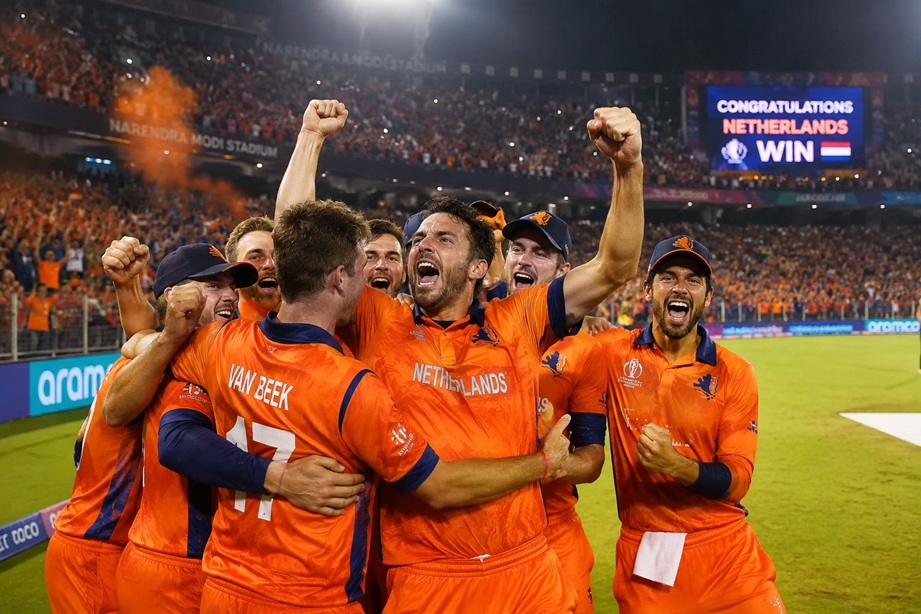
Bangladesh anticipated a straightforward win, yet the Netherlands delivered one of the most significant surprises in Associate cricket history. The Dutch bowlers effectively contained the Bangladeshis, before their batters pursued the modified target with impressive calmness.
This win was monumental, as it represented the Netherlands’ first One-Day International triumph over a Full Member nation. The outcome considerably elevated the standing of Dutch cricket on the world stage and illustrated that Associate teams can successfully challenge more established rivals.
The Significance of the 2010 Victory
The triumph in Glasgow became a pivotal moment for Dutch cricket because it:
- Signified the Netherlands’ first ODI victory against a Test-playing nation.
- Boosted self-assurance ahead of upcoming ICC competitions.
- Showcased the enhancing capabilities of Associate cricket.
- Presented Bangladesh with a markedly more competitive Dutch team than many had anticipated.
Instead of simply being labeled as an upset, the match established the groundwork for a rivalry that would evolve in the subsequent years.
2011 ICC Cricket World Cup Encounter
The subsequent significant chapter in the Timeline of Netherlands versus Bangladesh took place during the 2011 ICC Cricket World Cup in Chattogram.
In contrast to their earlier encounter, Bangladesh came into the tournament with considerably more experience in international competitions. Under the pressure of World Cup expectations, they executed a disciplined and comprehensive performance that thwarted another unexpected Dutch win.
Bangladesh’s bowlers applied continuous pressure with precise line and length, while their batsmen approached the run chase with composure. Ultimately, they clinched the match by six wickets, regaining confidence after their setback against the Netherlands the previous year.
Insights from the World Cup Encounter
The World Cup clash revealed various distinctions between the two teams.
Bangladesh exhibited better tactical understanding, especially in managing the middle overs with spin bowlers. Their batting order also demonstrated increased maturity by not taking unnecessary risks during the chase.
For the Netherlands, the outcome was not favorable, but competing against a Test nation on cricket’s most prominent platform provided important experience that will aid the team’s growth in the coming seasons.
The Thrilling 2012 T20I Series
One of the most thrilling phases of the rivalry before 2015 occurred when Bangladesh visited the Netherlands for a three-match T20 International series in The Hague.
In contrast to the solitary ODI games, this bilateral series offered both teams several chances to refine their tactics. Spectators saw momentum shift from one game to the next, making it one of the most fiercely contested series between Associate and Full Member nations during that time.
Bangladesh kicked off strongly by winning the first match, relying on disciplined bowling in the final overs to defend a solid score.
Nonetheless, the Netherlands made an impressive comeback.
The Netherlands triumphed in the second T20I handily, showcasing aggressive batting and lively fielding that disrupted the visitors. Their confidence soared as they approached the final match.
The series conclusion was unforgettable. Both teams remained close until the last overs, with the Netherlands maintaining their composure to snatch a thrilling one-wicket win, thereby clinching the series 2–1. It stands as the Netherlands’ sole bilateral T20I series victory against Bangladesh.
Key Moments of the 2012 Series
Several key events influenced the final outcome:
- Bangladesh dominated the inaugural match.
- The Netherlands rebounded with fearless batting in the second contest.
- The final game was decided by a mere single wicket.
- Dutch players exhibited remarkable calmness under pressure.
This series highlighted how home advantage and confident play could considerably lessen the distance between Associate and Full Member countries.
The 2014 Season: Divergent Paths, Unified Goals
While Bangladesh and the Netherlands did not meet in any official international matches in 2014, it proved to be a significant year in the overall timeline of Netherlands versus Bangladesh.
Bangladesh hosted the ICC World Twenty20 2014, which allowed for increased participation and enabled more Associate nations to join the global competition.
For the Netherlands, the tournament marked one of the most extraordinary runs in their history. The Dutch achieved one of the most astounding chases in T20 World Cup history by qualifying for the Super 10 stage after successfully pursuing Ireland’s challenging score within the required net run-rate limit. Their bold batting astonished the cricketing world and showcased the rapid progression of Associate cricket.
In the meantime, Bangladesh focused on rebuilding its team while successfully hosting a global event. Although their run did not yield the expected outcomes, the experiences gained benefited the development of younger players who would later become pivotal contributors.
As both sides progressed beyond 2014, their rivalry had already created several notable traits:
- Bangladesh’s increasing consistency.
- The Netherlands’ knack for achieving memorable surprises.
- The heightened intensity of every match.
The Contemporary Stage of the Rivalry (2023–2025)
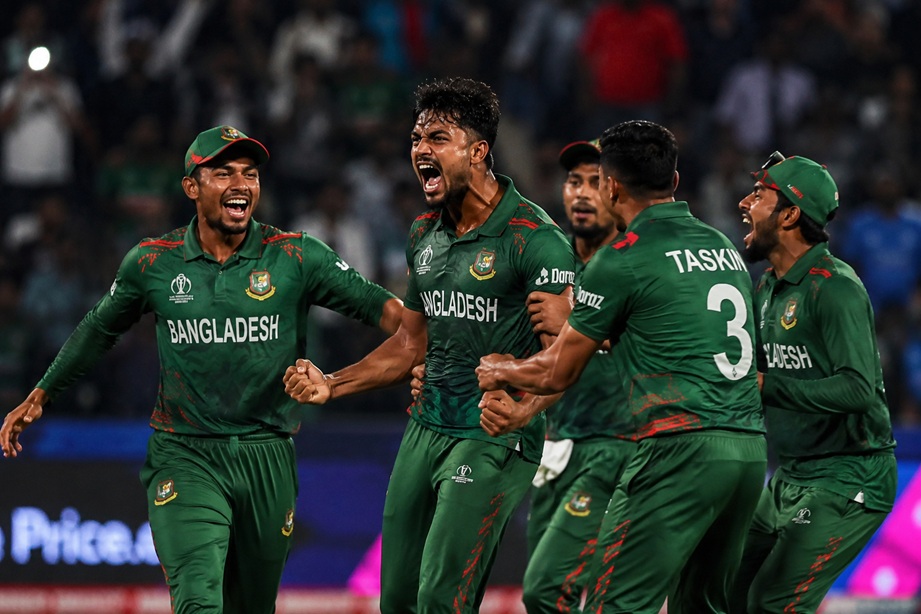
The rivalry timeline between the Netherlands and Bangladesh transitioned into a new stage in 2023, as both nations became frequent contenders in ICC global competitions. Bangladesh came in with the familiarity of regular international play, while the Netherlands had established itself as one of the most formidable Associate countries, capable of taking on established teams at any moment.
In contrast to the earlier days of their rivalry, recent matches have shown a more competitive balance. The Netherlands no longer stepped into games merely aiming to compete—they were confident in their potential to win. On the flip side, Bangladesh understood that each encounter demanded their utmost concentration, as the Dutch squad had consistently demonstrated the ability to catch stronger teams off guard.
This era also represented a shift in the international cricket landscape, where Associate nations closed the gap by accessing professional coaching, developing domestic leagues, and gaining increased exposure to high-level competition.
2023 ICC Cricket World Cup: A Landmark Dutch Triumph
Arguably the most significant event in the current Netherlands versus Bangladesh timeline occurred during the 2023 ICC Cricket World Cup held in Kolkata.
Bangladesh faced the match with its back against the wall following several unsatisfactory performances, while the Netherlands aimed to uphold their reputation for defeating higher-ranked sides.
The Dutch bowlers executed their strategies effectively by restricting Bangladesh’s scoring throughout the innings. Their consistent line and length forced errors, leading to Bangladesh having difficulty establishing substantial partnerships.
When it came time to pursue the target, the Netherlands showcased composed decision-making and wise shot choices. Each partnership edged them nearer to a historic victory, ultimately achieving one of the most remarkable wins in their ODI history.
This triumph was celebrated globally, showcasing the progress Dutch cricket had made over the last ten years. More importantly, it served as a reminder to the cricketing world that Associate nations were capable of competing consistently against established Full Member teams when their strategies were executed properly.
Reasons Why the 2023 Outcome Was Remarkable
Multiple elements contributed to making this win particularly memorable.
- The Netherlands triumphed over Bangladesh on cricket’s premier ODI platform.
- Their bowlers maintained relentless pressure throughout the innings.
- The batting side pursued the target assuredly and without fear.
- The victory solidified the Netherlands’ status as a formidable contender in the World Cup.
For Bangladesh, the loss highlighted that international cricket had grown increasingly fierce, and no foe should be taken lightly.
ICC Men’s T20 World Cup 2024
The subsequent significant chapter in the Netherlands versus Bangladesh timeline unfolded during the ICC Men’s T20 World Cup 2024 in the Caribbean.
Both sides recognized the significance of the Group D match, as their chances for qualification were heavily reliant on the outcome of every game.
Bangladesh batted first, setting a competitive score of 159/5, courtesy of an authoritative innings from Shakib Al Hasan. The Netherlands launched an aggressive chase, but Bangladesh’s bowlers maintained control throughout the middle overs, ultimately limiting the Dutch to 134/8 and securing a 25-run win.
Tactical Assessment
Bangladesh’s win was achieved through methodical execution rather than flashy play.
Their batting order focused on forming alliances rather than pursuing an unrealistic goal, and their bowling unit effectively mixed pace with spin. Fielding also contributed significantly, as multiple crucial stops inhibited the Netherlands from gaining momentum during their pursuit.
Even though the Netherlands faced defeat, they once again showcased remarkable determination against a stronger rival.
Bilateral T20I Series in 2025
The competition intensified further when the Netherlands visited Bangladesh for a three-match T20 International series in 2025, which was the inaugural bilateral T20I series held between the sides in Bangladesh.
Bangladesh excelled in the series by blending experienced batting with strategic bowling. They secured the first match by eight wickets, following it up with an easy nine-wicket triumph in the second T20I. The third match was called off due to rain, leading to Bangladesh clinching the series with a 2–0 victory.
Regardless of the results, the series remained beneficial for the Netherlands. Playing in unfamiliar Asian environments provided younger players with essential experience against proficient spin bowling and challenging surfaces.
For Bangladesh, the series served as excellent preparation for future international competitions, allowing various squad members to bolster their confidence.
Head-to-Head Analysis
When assessing the overall rivalry, Bangladesh has generally held an advantage in both One-Day Internationals and Twenty20 Internationals. However, statistics do not fully capture the intensity of these matches.
The Netherlands has achieved several memorable victories, notably in encounters where disciplined bowling and audacious batting undermined Bangladesh’s strategies.
The strengths of Bangladesh throughout the rivalry include:
- Strong spin bowling in the middle overs.
- Greater experience on the international stage.
- Superior depth of the squad across different formats.
- Consistent success in ICC tournaments.
The Netherlands have remained competitive due to:
- Strong team discipline.
- High standards of fielding.
- Capacity to perform under stressful situations.
- Tactical adaptability against more formidable opponents.
These differing strengths have made nearly every encounter exciting for cricket fans who are neutral.
Players Who Defined the Rivalry
Several cricketers have played pivotal roles in shaping the rivalry throughout the years.
Bangladesh
- Shakib Al Hasan has consistently impacted matches through both his batting and bowling. His experience has frequently aided Bangladesh in bouncing back from challenging circumstances.
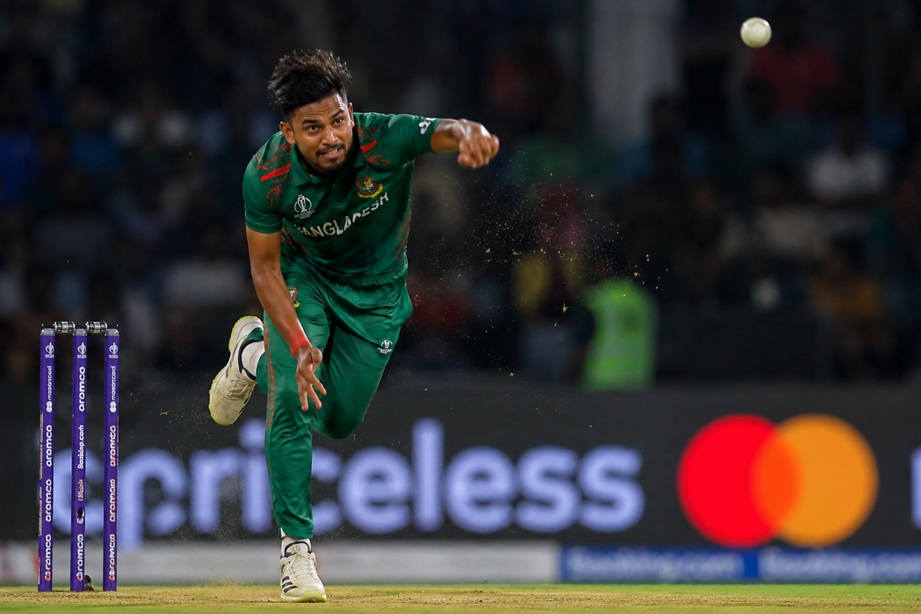
- Taskin Ahmed has consistently posed problems for Dutch batters with his speed, movement, and ability to take wickets during the powerplay.
- Litton Das has provided key innings at the top of the batting order, especially in recent T20 matches.
Netherlands
- Scott Edwards has delivered steady leadership while adding important runs in critical moments.
- Paul van Meekeren has routinely challenged the batting order of Bangladesh with consistent fast bowling.
- Bas de Leede has emerged as one of the most dependable all-rounders for the Netherlands, providing essential balance in both batting and bowling.
Together, these players have ensured that each chapter of the rivalry includes memorable individual exploits.
The Impact of This Cricket Rivalry
The timeline of the Netherlands versus Bangladesh illustrates how international cricket has transformed over the past ten years.
For Bangladesh, the rivalry has highlighted the significance of upholding high standards against all opponents. Numerous challenging matches have prompted enhancements in strategic planning, batting reliability, and squad depth.
For the Netherlands, triumphs over Bangladesh have motivated upcoming generations of Dutch cricket players and demonstrated that Associate countries can successfully challenge well-established international squads.
This competition has also enhanced the global cricket landscape by generating more interest in games featuring developing nations. Spectators now anticipate engaging matchups each time these two teams clash, irrespective of their rankings.
Conclusion
The timeline of the Netherlands versus Bangladesh goes beyond merely a series of match results. It illustrates the journey of two cricketing countries evolving on different trajectories, consistently delivering exciting matches during their encounters.
From the Netherlands’ pivotal win in 2010 to thrilling World Cup battles and the intense games between 2023 and 2025, the rivalry has gained increased importance. Although Bangladesh has generally had more overall achievements, the Dutch have repeatedly proven that determination, strategy, and fearless gameplay can defy expectations.
As the world of cricket continues to grow, future encounters between these teams are set to bring even more thrills. Bangladesh will strive to enhance its dominance, while the Netherlands will keep chasing significant victories that inspire Associate cricket on a global scale.
For cricket enthusiasts, this rivalry is one of the sport’s most overlooked narratives—one founded on perseverance, continuous development, and unforgettable experiences that enhance the richness of international cricket.
“`html