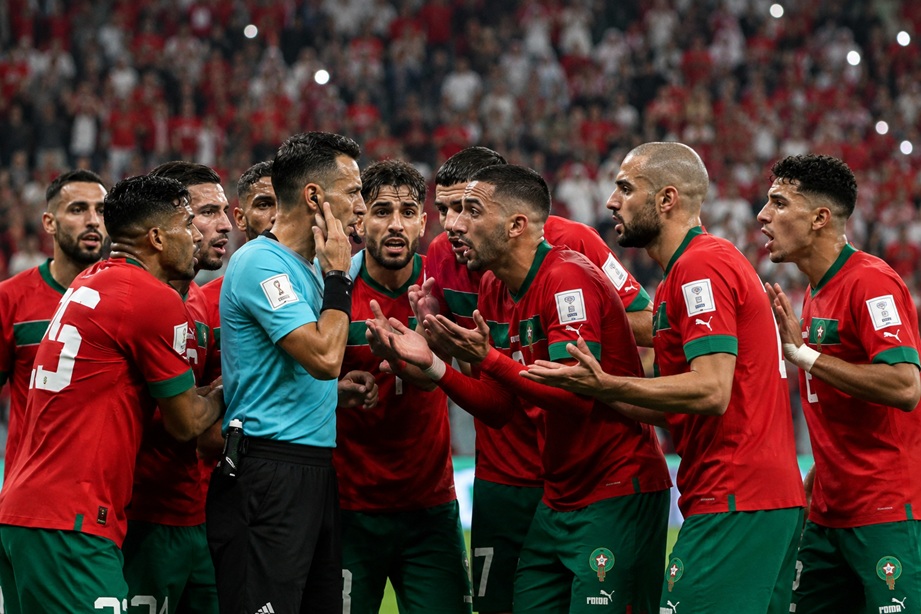

Regardless of the debate surrounding the opening goal, France showed why they remain one of the tournament favourites. Didier Deschamps’ side stayed composed under pressure and continued to control possession even as Morocco searched for an equaliser.
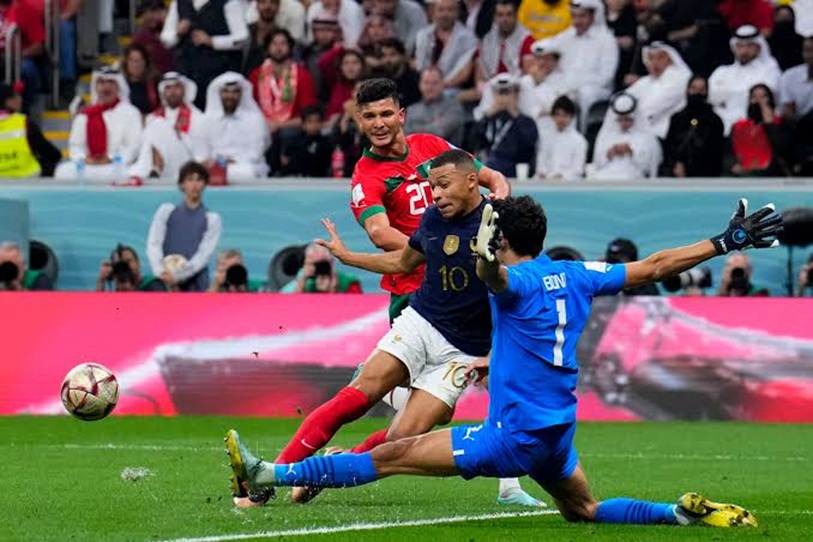
Kylian Mbappé once again proved decisive. After missing an earlier penalty, he responded with a brilliant curling finish that gave France the breakthrough. The goal shifted the momentum of the match and forced Morocco to take greater attacking risks, leaving more space for the French forwards to exploit. France later added a second goal to secure a comfortable 2-0 victory and book their place in the semi-finals.
Mbappé’s Performance Beyond the Controversy
While much of the post-match discussion focused on officiating, Mbappé delivered another influential display.
His performance included:
- Recovering mentally after an earlier penalty miss.
- Scoring France’s opening goal with a clinical finish.
- Creating several dangerous attacking opportunities.
- Assisting the second goal that sealed qualification.
- Continuing his pursuit of the tournament’s Golden Boot.
Even critics acknowledged that Mbappé remained France’s biggest attacking threat throughout the evening.
Morocco’s Impressive World Cup Journey
Although elimination was painful, Morocco once again demonstrated why they have become one of international football’s fastest-rising teams.
The Atlas Lions reached the quarter-finals by combining disciplined defending with quick counter-attacks and fearless performances against some of the world’s strongest nations. Their run inspired millions of supporters across Africa and the Arab world.
Coach Mohamed Ouahbi stressed after the match that one controversial decision should not overshadow the team’s achievements. He praised his players for competing with courage and discipline throughout the tournament while admitting France ultimately deserved credit for taking their chances.
Why the VAR Debate Is Unlikely to End Soon
The Morocco VAR controversy has become one of the most discussed incidents of the 2026 FIFA World Cup because it highlights a broader issue rather than a single refereeing decision.
Supporters continue asking several important questions:
- Should FIFA release the VAR audio after controversial decisions?
- Why weren’t more replay angles shown during the live broadcast?
- Should referees explain review outcomes to fans inside the stadium?
- Does the “new phase of play” interpretation need greater public clarification?
Many refereeing experts believe greater transparency would reduce confusion and improve trust in the technology. Others argue that the officials simply applied the Laws of the Game correctly and that the absence of a review does not automatically indicate an error. Online discussions have reflected both viewpoints, with fans divided over whether Morocco’s appeals should have led to a disallowed goal.
What This Means for France Going Forward
France now turns its attention to the semi-finals with renewed confidence. Despite the controversy, the team has continued to demonstrate remarkable depth, experience and attacking quality throughout the competition.
Didier Deschamps will be encouraged by Mbappé’s ability to recover from setbacks within the same match, while the squad’s defensive organisation remains one of its biggest strengths.
For Morocco, however, the quarter-final will likely be remembered as a night of both pride and frustration—a performance that showcased resilience but also left lingering questions about one of the tournament’s most debated VAR decisions.
The Broader Context for FIFA and VAR
The discussions around the VAR situation involving Morocco extend beyond a single goal. It highlights the persistent issues FIFA encounters in maintaining accuracy and clarity within video technology. Although VAR has rectified numerous blatant errors since being introduced, contentious moments continue to polarize fans due to the infrequent real-time explanations of decision-making processes.
A significant number of fans believe that enhanced clarity would boost trust in the system. Ideas have been presented such as making public the dialogue between the match officials and VAR operators following games or enabling referees to communicate the findings of reviews to the audience in the stadium, akin to practices seen in several other sports.
FIFA has consistently advocated for VAR as a mechanism aimed at minimizing obvious blunders rather than completely eradicating all contentious instances. However, significant incidents in knockout stages inevitably garner worldwide attention and spur discussions that persist long after the match concludes.
Could the Game Regulations Be Made Clearer?
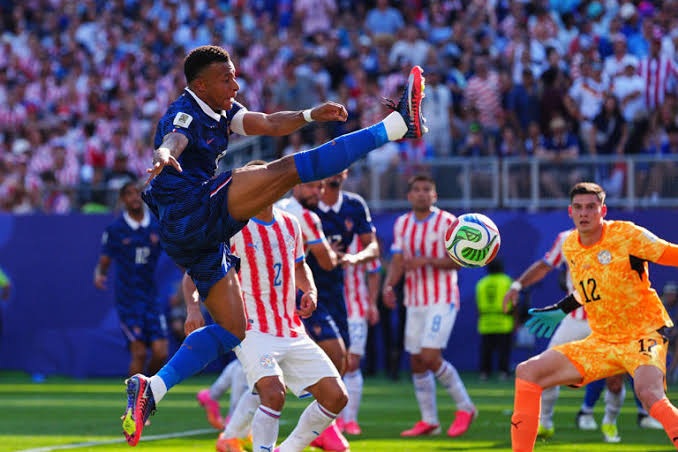
The handball rule in football has seen multiple updates in the last few years, yet it still stands as one of the most contentious rules in the sport. Situations involving unintentional contact, deflections, and different play phases often create uncertainty.
Experts in refereeing have pointed out that the officials may have determined that the alleged handball was outside the attacking phase leading directly to the goal. If this perspective was taken, VAR would not be anticipated to suggest a review on the field. Still, the absence of an immediate public clarification allowed speculation to flourish among fans and news organizations.
What Lies Ahead for France and Morocco?
France advances to the semi-finals of the World Cup brimming with assurance. Didier Deschamps’ team has showcased solid defense, offensive prowess, and experience throughout the tournament. Mbappé remains in the lead for the Golden Boot after yet another impactful performance, while France is on track for its third consecutive appearance in a World Cup final.
For Morocco, this loss concludes an impressive World Cup journey. Although there was visible disappointment post-match, the Atlas Lions have once more proven their capability to compete with the world’s top teams. Their overall performances during the tournament have enhanced the country’s reputation on the international platform.
The players and coaching staff will likely review the contentious incident before Mbappé’s goal, but they can also take satisfaction in their advancement to the later stages of the tournament and the inspiration they provided to fans across Africa and beyond.
Conclusion
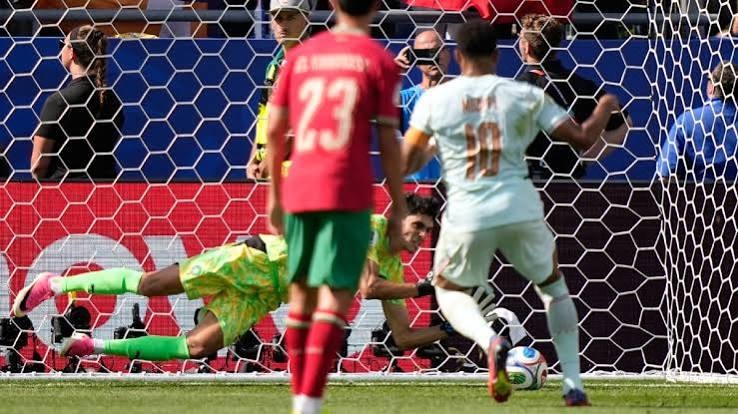
The VAR dispute involving Morocco will be remembered as one of the significant discussion points of the 2026 FIFA World Cup. Mohamed Ouahbi’s assertion that “there absolutely was a handball” has amplified conversations regarding VAR’s reliability, clarity in refereeing, and the interpretation of football regulations during key knockout matches.
Despite the controversy, France’s performance overall warranted acknowledgment.
Key Match Outcomes
- Mbappé rebounded from a missed penalty to score an excellent opening goal.
- Ousmane Dembélé contributed a second to clinch a 2-0 victory.
- Les Bleus advanced into the semi-finals.
Regardless of whether FIFA offers additional insights or not, the event is expected to be revisited and discussed for many years ahead. For impartial spectators, it acts as yet another illustration that although technology has revolutionized contemporary football, it has not removed the enthusiasm, disputes, and excitement that contribute to the World Cup being the largest sporting event globally.