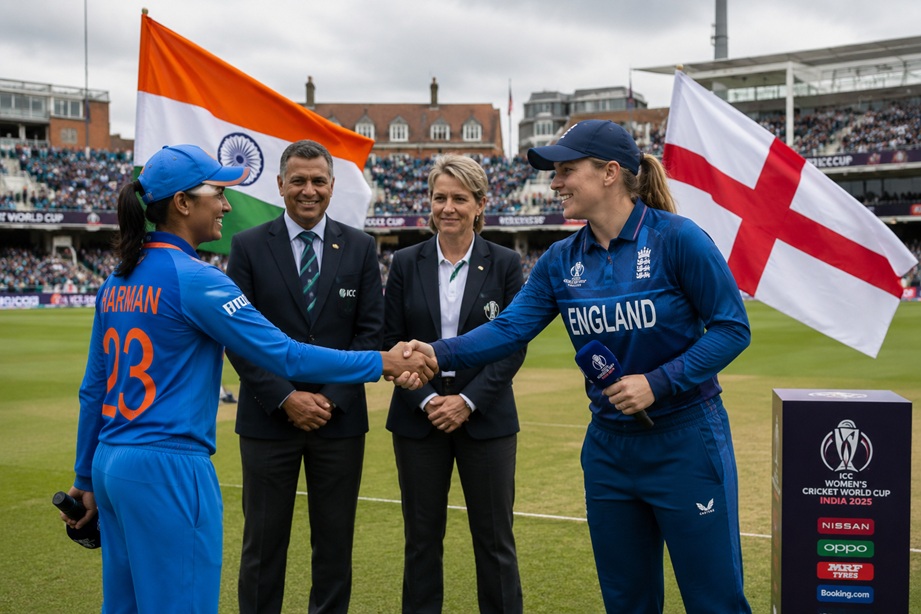
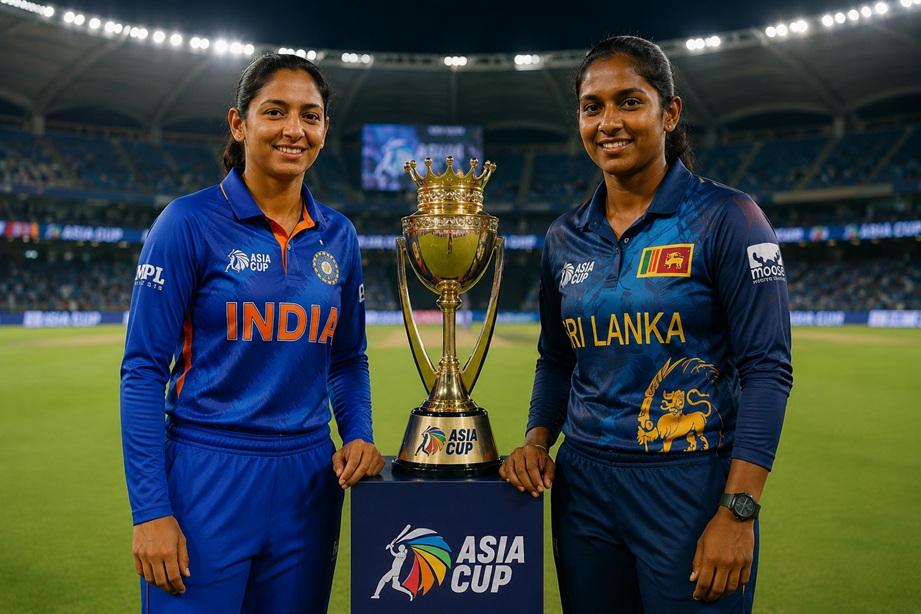

In the last thirty years, women’s cricket in Asia has experienced significant development, especially highlighted by the intriguing rivalry between India Women and Sri Lanka Women. While India established itself as a formidable competitor early in the scene, Sri Lanka has gradually evolved into a challenging team, achieving notable wins in high-pressure situations.
The Sri Lanka Women Timeline narrates the journey of two neighboring cricketing nations, revealing how their contests changed from being one-sided affairs to exhilarating matches full of memorable moments. India holds a better overall record, yet Sri Lanka’s swift progress has rendered each confrontation increasingly uncertain. Their encounters in ICC tournaments, Asia Cups, bilateral series, and tri-series events have contributed to enhancing the visibility of women’s cricket throughout the region.
The Start of a Historic Rivalry
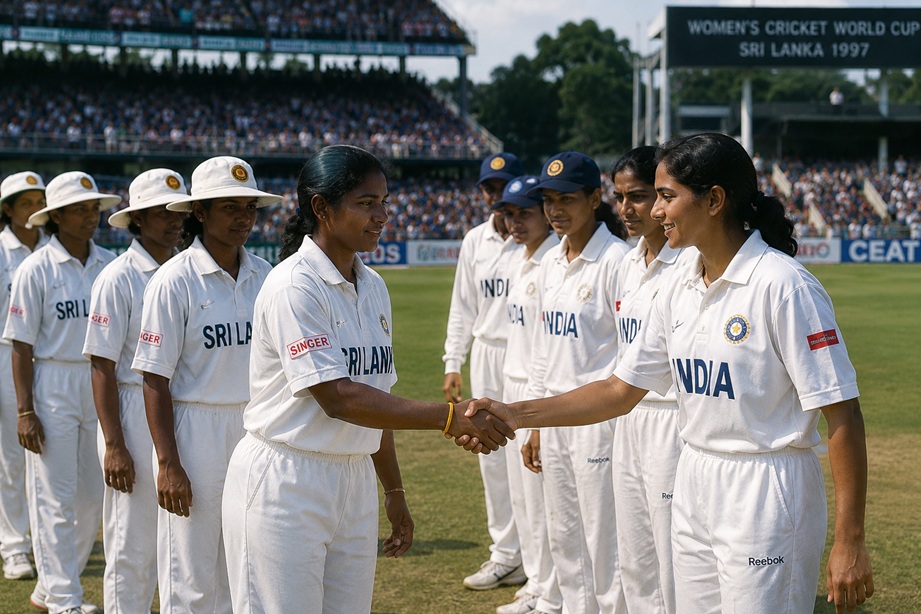
The initial segment of the Sri Lanka Women Timeline commenced in December 1997 during the Women’s Cricket World Cup. At that time, Sri Lanka had just entered the arena of international cricket, whereas India boasted seasoned players ready to challenge the finest teams globally.
India comfortably secured victory in this first match, demonstrating a comprehensive performance in batting and bowling. This early victory set a precedent, as India’s superior domestic framework, experienced roster, and disciplined bowling frequently overwhelmed Sri Lanka in the rivalry’s formative years.
First International Meeting (1997)
The inaugural game held significant importance for multiple reasons.
Key Highlights
- It was the first official contest between the two women’s teams.
- India exhibited better batting strength and bowling control.
- Despite the loss, Sri Lanka gained essential experience.
- The match initiated a rivalry that persists nearly thirty years later.
While the outcome appeared clear-cut, it represented a crucial turning point in the evolution of women’s cricket within South Asia.
India’s Early Years of Dominance (1998–2008)
The subsequent decade was predominantly influenced by India’s power. During this time, the Sri Lanka Women Timeline recorded numerous decisive victories by India in both One-Day Internationals and the single Test match contested between the teams.
India routinely achieved competitive scores while effectively containing Sri Lanka through disciplined pace bowling and exceptional spin. Renowned players like Anjum Chopra, Mithali Raj, Jhulan Goswami, Neetu David, and Rumeli Dhar became well-known figures in encounters between these two sides.
Conversely, Sri Lanka was still in the process of developing its cricketing foundations. Though individual players occasionally delivered promising performances, the team often struggled to maintain a consistent level of play throughout full matches.
The Only Women’s Test Match
A distinct chapter in the rivalry unfolded when the teams faced off in a Women’s Test match held in Colombo.
India showcased dominance throughout significant portions of the match with their well-disciplined batting and bowling, leading to their victory. Despite coming up short, Sri Lankan players displayed determination, with notable individual performances that highlighted their increasing potential in the Test format.
This remains the lone Test match played between the two teams, making it a pivotal element of their collective cricket history.
Emergence of Indian Cricket Stars
As women’s cricket evolved to be more professional, India brought forth numerous iconic players who consistently performed well against Sri Lanka.
Mithali Raj’s Steadiness
Few players have impacted this rivalry like Mithali Raj. Her graceful batting technique, composed nature, and skill at stabilizing innings allowed India to take charge in many ODI matches.
Regardless of whether she was setting a target or pursuing one, Mithali often played crucial innings that frustrated the Sri Lankan bowlers.
Jhulan Goswami’s Influence
Jhulan Goswami’s speed and precision revolutionized India’s bowling lineup. Her capacity to produce bounce and swing made it difficult for Sri Lankan batswomen under various pitch conditions.
She reliably provided wickets with the new ball while managing the run rate effectively in the middle phases of the game.
Emerging Match Winners
The Sri Lanka Women Timeline also saw the rise of several promising talents for India, including:
- Harmanpreet Kaur
- Smriti Mandhana
- Deepti Sharma
- Poonam Yadav
These athletes contributed to India’s enduring success as the rivalry transitioned into a new phase.
Sri Lanka’s Steady Progress
In spite of frequent losses, Sri Lanka persisted in nurturing player development. Their domestic framework gradually enhanced, yielding more technically proficient batters and disciplined bowlers.
A significant change occurred with the rise of Chamari Athapaththu.
Her bold batting style notably altered Sri Lanka’s mindset. Instead of merely attempting to keep up, Sri Lanka began to play with assurance and aggression when facing stronger teams.
This evolution slowly bridged the gap between the two teams.
The Sri Lanka Women Timeline clearly indicates this change, showing that after 2010, closely contested matches became more frequent.
The Advancement of the Rivalry During the 2010s
The years from 2010 to 2020 saw a significant change in women’s cricket throughout Asia.
India solidified its stature as one of the top global teams through consistent gameplay in ICC events, while Sri Lanka concentrated on developing a younger cohort capable of taking on formidable opponents.
Encounters between the two teams became more balanced, particularly in T20 Internationals, where shifts in momentum could occur rapidly.
Viewership during bilateral series and Asia Cup clashes also surged, highlighting the growing appeal of women’s cricket in the region.
Notable ODI Matches
Multiple One-Day Internationals within this timeframe illustrated Sri Lanka’s progress.
Though India generally triumphed, Sri Lanka often succeeded in making matches competitive through effective bowling and resolute batting efforts.
Their fielding capabilities also saw substantial improvement, which helped close the gap between the two teams.
An Expanding Regional Rivalry
The rivalry gradually evolved into one of the focal points of Asian women’s cricket.
Each time India and Sri Lanka faced off in regional events, spectators anticipated thrilling matches featuring seasoned captains, skilled all-rounders, and enthusiastic young players eager to shine.
The escalating competitiveness was advantageous for both teams, as it provided essential experience under pressure in anticipation of ICC global tournaments.
With more matches being shown internationally, the rivalry also gained broader acknowledgment among cricket fans worldwide.
By the conclusion of the 2010s, the timeline of women’s cricket in Sri Lanka transitioned from a narrative of Indian superiority to one highlighting true regional rivalry. Although India continued to lead in statistics, Sri Lanka had transformed into a team that could contend with the frontrunners at any moment.
Modern Era: A More Competitive Rivalry (2020–2023)
The onset of the new decade ushered in a notable transformation in the competition between the teams. While India continued to be one of the top contenders in women’s cricket, Sri Lanka emerged as a formidable team that could consistently challenge the best in the rankings.
The timeline for Sri Lanka Women took an exhilarating turn as newer players from both countries injected vitality, showcasing aggressive playing styles and enhanced fitness. Matches in bilateral series and multi-nation competitions became fiercely contested, with shifting dynamics frequently occurring during significant moments.
India maintained its reliance on seasoned players in conjunction with rising talents, while Sri Lanka developed its roster around a foundational group of reliable players with Chamari Athapaththu at the helm.
India’s Balanced Squad
During this era, India’s prowess stemmed from possessing skilled players in every facet of the game.
Highlighted Performers Included:
- Smriti Mandhana making aggressive openings.
- Harmanpreet Kaur spearheading the team.
- Jemimah Rodrigues bolstering the middle order.
- Deepti Sharma impacting both batting and bowling.
- Renuka Singh securing early breakthroughs with the new ball.
This well-rounded mix enabled India to stay amongst the premier teams globally.
Sri Lanka’s New Confidence
Sri Lanka made impressive strides as well.
Chamari Athapaththu continued to motivate the team with her fearless batting approach, while younger athletes began making consistent contributions. Advancements in fielding and disciplined bowling allowed Sri Lanka to remain a competitive force against tougher rivals.
Their rising self-assurance became increasingly noticeable each time they faced India in high-stakes tournaments.
Asia Cup Encounters Become More Intense
The Women’s Asia Cup featured numerous unforgettable clashes between the two neighboring countries.
India historically ruled the tournament, securing numerous championships due to their seasoned batting lineup and disciplined bowling unit.
Nevertheless, Sri Lanka gradually closed the performance gap. Nail-biting finishes, pressure-filled chases, and enhanced all-around performances turned every encounter into an exhilarating spectacle for cricket aficionados across Asia.
The timeline of Sri Lanka Women illustrates how these regional contests facilitated Sri Lanka’s growth by regularly exposing players to high-caliber opposition.
Tactical Changes
Both teams evolved their strategies to align with the modern T20 format.
India Prioritized:
- Aggressive batting in the powerplay.
- Wrist-spin during the middle overs.
- Dynamic fielding.
- An adaptable batting lineup.
Sri Lanka Focused On:
- Establishing partnerships.
- Clever spin bowling.
- Robust captaincy.
- Aggressive counter-play through veteran players.
These differing approaches often resulted in captivating strategic confrontations.
The Historic Asia Cup Final of 2024
The most significant milestone in the rivalry occurred during the 2024 Women’s Asia Cup.
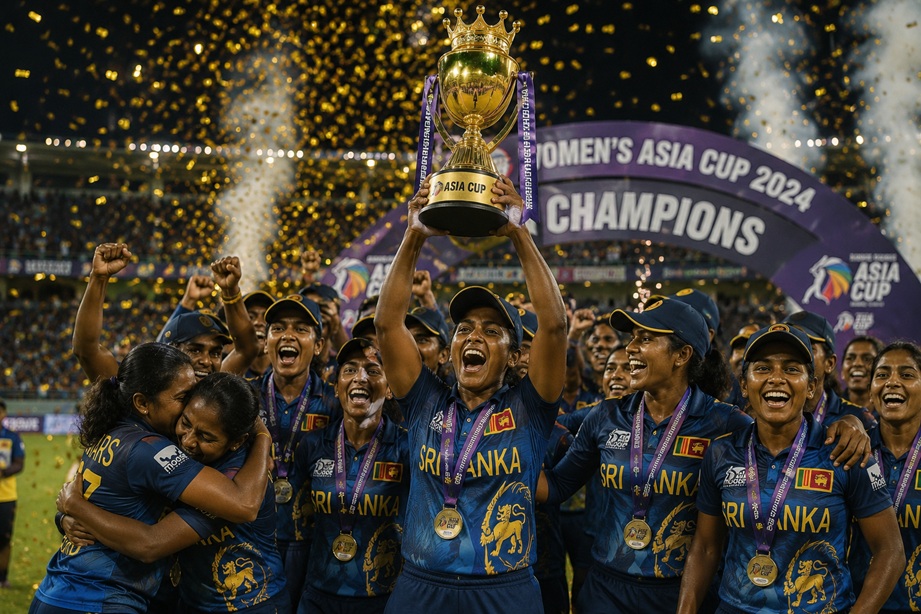
For the first time, Sri Lanka triumphed over India in the final of the tournament, clinching the title in front of their home crowd. This victory became one of the most celebrated milestones in the history of Sri Lankan women’s cricket.
After limiting India to a challenging score, Sri Lanka executed a remarkable run chase spearheaded by captain Chamari Athapaththu, with notable support from Harshitha Samarawickrama, culminating in an unforgettable title win. The outcome showcased just how much progress Sri Lanka had made since the rivalry commenced in 1997.
For supporters of India, the loss was disheartening, yet it underscored the swift advancements in women’s cricket throughout Asia. It acted as a significant reminder that all adversaries should be respected in major competitions.
The championship win marked a pivotal moment for the Sri Lanka Women Timeline, illustrating their evolution from being underdogs to formidable title challengers.
Reasons for the Historical Significance of This Victory
A number of elements contributed to making this win memorable.
Key Reasons:
- Sri Lanka claimed their inaugural Women’s Asia Cup championship.
- They triumphed over India, the tournament’s favorites, in the final.
- This achievement motivated aspiring female cricketers across Sri Lanka.
- It highlighted the increasing competitiveness within Asian women’s cricket.
The final has since become a key match in the context of their rivalry.
Ongoing Bilateral Series Offer Top-Quality Cricket
Beyond ICC and Asia Cup competitions, bilateral ODI and T20I series have further bolstered the competitive nature of the rivalry.
India frequently approached these series as the favorites, thanks to their superior squad depth and experience on an international stage. However, Sri Lanka consistently delivered determined performances that challenged India’s reliability.
Recent Bilateral Matches Have Showcased:
- Strong opening partnerships.
- Exciting low-scoring games primarily affected by spin.
- Successful run chases faced with intense pressure.
- Remarkable individual performances, including centuries and five-wicket achievements.
These encounters have served as essential preparation for both teams in anticipation of future global competitions.
Players Who Have Shaped the Rivalry
Mithali Raj
Few batters have matched Mithali Raj’s success against Sri Lanka. Her graceful stroke play and talent for crafting lengthy innings established her as one of India’s most reliable players for nearly twenty years.
Her consistent performance enabled India to dominate a plethora of ODI matches.
Harmanpreet Kaur
Harmanpreet Kaur infused the Indian team with vigor and strong leadership.
Her aggressive batting style elevated the pace of games, particularly in T20 Internationals. She has delivered several pivotal innings that turned the tide in favor of India.
Chamari Athapaththu
Any analysis of this rivalry must include Chamari Athapaththu.
Her fearless batting approach has significantly altered Sri Lanka’s prospects when facing tougher opponents. Whether pursuing challenging targets or posting competitive scores, she has consistently achieved match-winning feats.
Additionally, her leadership has been instrumental in Sri Lanka’s recent achievements.
Smriti Mandhana
Smriti Mandhana’s graceful left-handed batting has established her as one of India’s most valuable players.
Her capability to score rapidly during powerplay overs often provides India with the strong starts necessary to excel in limited-overs games.
The Sri Lanka Women Timeline emphasizes how these prominent players have shaped various periods of the rivalry, contributing to the uniqueness of each generation.
Head-to-Head Record Across Formats
For almost thirty years, the women’s cricket teams of India have shown a superior overall performance against their counterparts from Sri Lanka. Their success can be attributed to a more comprehensive domestic system, seasoned players, and consistent achievements in ICC tournaments. Nevertheless, Sri Lanka has been progressively enhancing its game, thereby making recent clashes considerably more even compared to the earlier days of the rivalry.
Overall Comparison
ODIs
- India has triumphed in most encounters, although Sri Lanka has secured some significant wins in recent times.
T20 Internationals
- India continues to have the upper hand in the overall record, yet Sri Lanka has become more formidable, especially during Asia Cup games.
Tests
- Only one Women’s Test has been contested between the two teams, which India won.
The Sri Lanka Women Timeline shows a path in which statistics represent only a portion of the overall narrative. Although India’s record is still dominant, Sri Lanka’s performances in major events indicate that the distance has significantly decreased.
Records and Memorable Moments
Numerous matches played between these teams have turned into legendary experiences for cricket enthusiasts.
Highest Individual Performances
Throughout the years, both teams have delivered outstanding batting feats, featuring game-changing centuries and steady half-centuries when under pressure. Established Indian players have frequently constructed lengthy innings, while Sri Lanka’s current stars have brought a more aggressive style to their batting.
Bowling Excellence
The competition has also showcased impressive bowling displays.
India’s pace bowlers and spinners have commonly dictated the course of matches through precise line and length. Sri Lanka’s spin bowlers have countered with tight bowling that has resulted in thrilling low-scoring encounters.
Outstanding Fielding
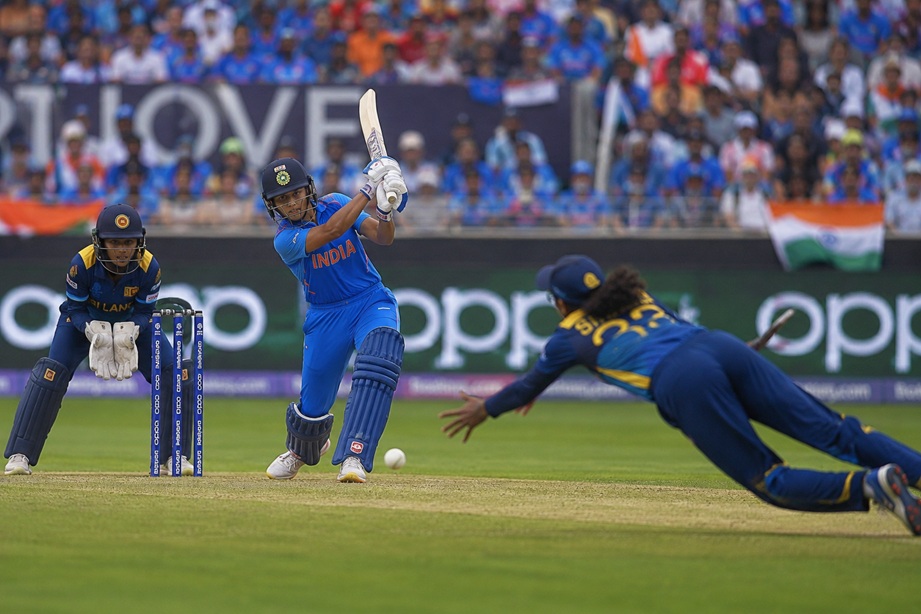
Women’s cricket has advanced remarkably in terms of athletic capabilities. Recent matches have included incredible catches, direct-hit run-outs, and outstanding boundary saves that have influenced the results of tightly contested games.
How the Rivalry Has Changed
The most significant change has been in the increasing self-assurance of Sri Lanka.
In the initial years, India generally asserted their dominance from the first innings onwards. Nowadays, every match sees Sri Lanka compete with the belief that they can triumph over one of the world’s top teams. This mentality has led to more competitive gameplay and heightened excitement for fans.
The Sri Lanka Women Timeline showcases various key advancements:
- Enhanced domestic cricket structures.
- Greater financial contributions towards women’s cricket.
- Improved standards of fitness and fielding.
- Expanded international experience.
- More competitive performances in the ICC and Asia Cup.
These elements have not only fortified Sri Lanka but have also contributed to the growth of women’s cricket throughout Asia.
Why This Rivalry Matters
India and Sri Lanka are united by more than just their geographical closeness. Their cricketing dynamics have fostered the advancement of the women’s game within the area.
Aspiring cricketers now have figures from both nations to look up to, showcasing that persistent effort can yield international achievement. Each series between these countries garners larger television viewership, stronger online engagement, and increasing enthusiasm from supporters.
The rivalry has also pushed cricket boards to arrange more bilateral series and provide enhanced opportunities for rising players to compete at elite levels.
The Sri Lanka Women Timeline therefore signifies not simply a series of matches but the extensive evolution of women’s cricket in South Asia.
What the Future Looks Like
As we look to the horizon, the rivalry is set to become increasingly thrilling.
India maintains its reputation for cultivating talented young athletes through its local competitions, while Sri Lanka has committed resources to nurture future champions who can stand up against the top global teams.
Several elements indicate that the matches will become increasingly competitive:
- Emerging teams gaining international exposure.
- Enhanced coaching and advancements in sports science.
- Increased financial backing for women’s cricket.
- More ICC events and bilateral matches.
- Growing fan engagement throughout Asia.
If the existing patterns persist, upcoming encounters could lead to numerous unforgettable results akin to those seen in the latest Asia Cup events.
The narrative of Sri Lanka Women is still unfolding, and the following chapters might showcase new achievements, rising stars, and remarkable championship struggles.
Conclusion
The journey of India Women and Sri Lanka Women is marked by advancement, resilience, and athletic achievement. What initially started as a rivalry primarily controlled by India has transitioned into one of the most thrilling competitions in Asian women’s cricket.
India’s reliability, iconic players, and outstanding history have positioned them among the premier teams globally. Conversely, Sri Lanka’s significant progress, evidenced by groundbreaking wins and robust performances in various tournaments, has turned the rivalry into a truly competitive matchup.
For cricket enthusiasts, every encounter between these neighboring countries now presents a high level of competition, standout performances, and inspiring moments for budding players. As women’s cricket evolves on the international stage, this rivalry is anticipated to have an even more significant impact on the sport’s future.
The Sri Lanka Women Timeline vividly illustrates this transformation—from initial learning moments to intensely contested international games that highlight the finest aspects of women’s cricket in Asia.
I prefer this response