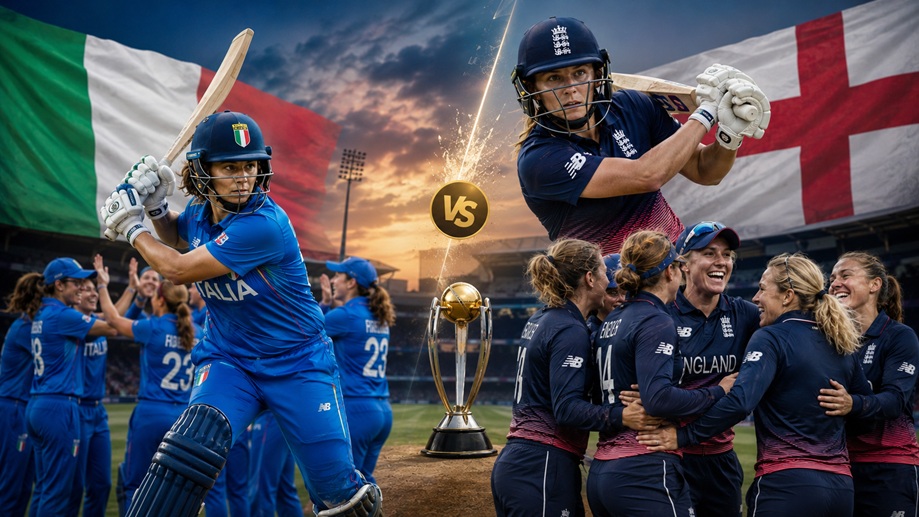
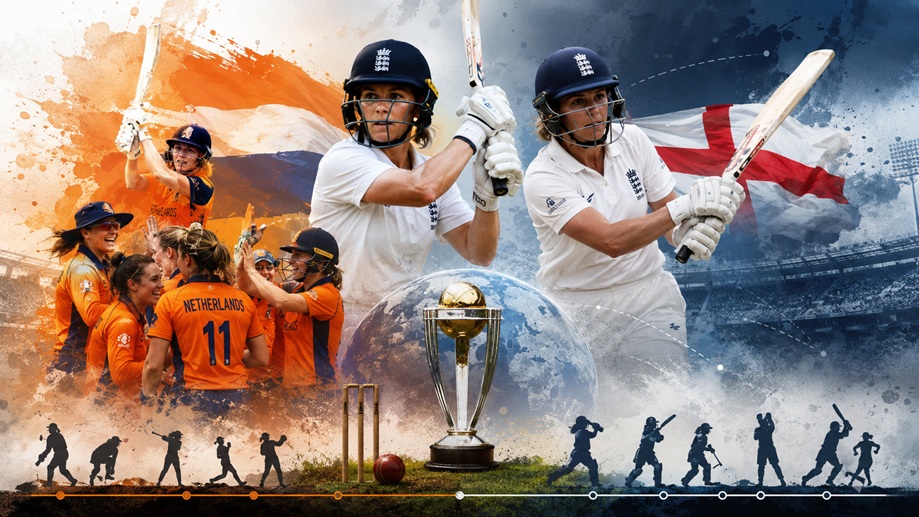

The narrative of the Netherlands Women against England Women is an intriguing segment of the history of women’s international cricket. This rivalry lacks an extensive record of tightly contested games, but it illustrates the progression of women’s cricket from the late 1980s into the contemporary period.
The two squads have faced each other in women’s one-day internationals on ten occasions, with England emerging victorious in each instance. Their competitive meetings began on 6 December 1988 during the Women’s World Cup held in Sydney, while their most recent documented confrontation took place on 11 August 2001 at Bradfield College in Reading.
Despite the considerable time elapsed since their last major ODI encounter, their past results are beneficial for analyzing player stats, run totals, bowling efforts, and evolving standards in women’s cricket. The 2026 season offers the Netherlands a fresh opportunity, as they advanced to the ICC Women’s T20 World Cup in England, where England participated as the host nation.
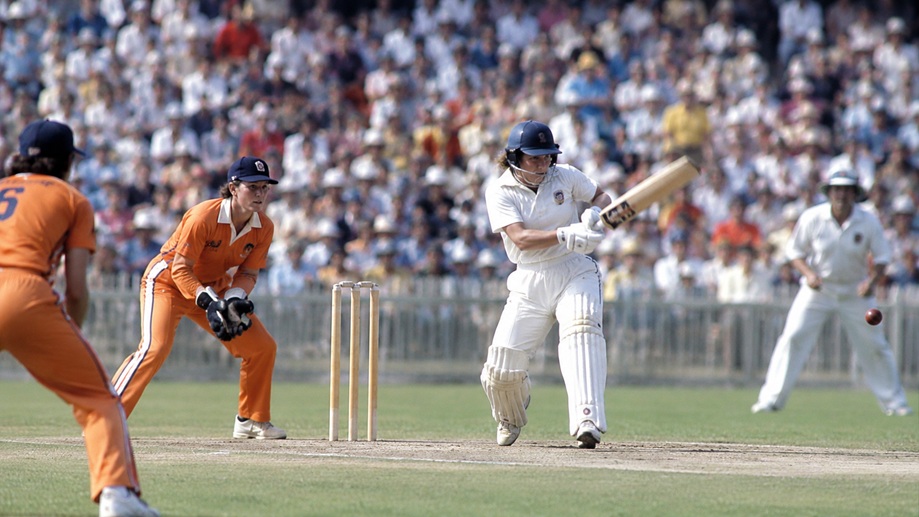
Netherlands Women vs England Women Head-to-Head Record
The overall statistics display a significant imbalance.
- Total women’s ODIs: 10
- Wins by England Women: 10
- Wins by Netherlands Women: 0
- Ties: 0
- No results: 0
- First encounter: 6 December 1988
- Latest recorded encounter: 11 August 2001
The Association of Cricket Statisticians and Historians validates the ten-match record, affirming England’s lead of 10-0.
However, focusing solely on the victory-loss tally overlooks some noteworthy individual contributions. England registered several impressive innings, while players from the Netherlands, including Ariette van Noortwijk, Pauline te Beest, and Maartje Koster, often bore the brunt of the batting duties.
1988: The Journey Kicks Off at the Women’s World Cup
The inaugural chapter unfolded during the 1988 Women’s World Cup hosted in Australia.
First encounter — 6 December 1988
At North Sydney Oval, England triumphed over the Netherlands by a margin of nine wickets. The Dutch team managed to score 97 runs before being all out, while England successfully reached 98 for 1.
Ariette van Lier was the top scorer for the Netherlands with 27 runs, in contrast to England’s Jane Brittin, who tallied an unbeaten 48 runs, along with Wendy Watson’s 39 not out. The partnership between Watson and Brittin was remarkable, yielding 96 runs after England lost an early wicket.
The bowling performances were also significant. Caroline Hodges claimed four wickets for England, whereas the Netherlands found it challenging to form partnerships.
Second encounter — 16 December 1988
The teams clashed once more later during the same World Cup at Carey Grammar School Oval situated in Melbourne.
On this occasion, England amassed a formidable total of 278 for 3 over 60 overs, subsequently limiting the Netherlands to a score of 98 for 9, resulting in a victory by 180 runs, which remains the largest win margin in this rivalry.
Caroline Hodges shone with a score of 91, Wendy Watson contributed 57, Jane Powell achieved an unbeaten 52, and Jane Brittin chipped in with 29 runs. Hilda Dinnissen was the top scorer for the Netherlands with 28 runs.
The two matches in 1988 clearly highlighted the disparity between the teams. England showcased a deeper batting lineup, while the Netherlands were still in the process of gaining experience on the premier international stage.
1989: England Prevails Again in Denmark
The subsequent gathering occurred at the Women’s European Championship in Nykøbing Mors on 19 July 1989.
The Netherlands managed to score 91 runs for the loss of 7 wickets in 55 overs, with Ariette van Noortwijk achieving a commendable score of 46 not out off 115 balls. She was the only player from the Netherlands to exceed a score of 10 runs.
England achieved the target, scoring 92 runs for 3 wickets in 31.1 overs, thereby winning the match by seven wickets.
Jo Chamberlain was essential for England, remaining not out with a score of 36 from 40 balls. Jane Powell added 26 to the team’s total, while Caroline Barrs contributed 14. Chamberlain received the Player of the Match accolade.
For the Netherlands, van Noortwijk’s 46 was noteworthy, as she also contributed with the ball by taking 2 wickets for 28 runs. It was a valuable all-round performance despite the loss.
1990: Netherlands Dismissed for 57
The encounter during the 1990 European Championship showcased another remarkable performance from England.
On 18 July in Leicester, the Netherlands was bowled out for a mere 57 runs within 33 overs. England then chased the target successfully, achieving a score of 58 for the loss of 2 wickets in 19.5 overs, resulting in an eight-wicket victory.
Irene Schoof was the highest scorer for the Netherlands with 14 runs, while Anke van Noortwijk and V Wesenhagen both added 10 runs each.
Caroline Hodges of England ended the match not out with 25 runs, and Jane Powell contributed 19 runs. The significant factor was the bowling performance: CJ Barrs took 3 wickets for just 1 run, while both Caroline Hodges and Jo Chamberlain claimed two wickets each.
This currently stands as one of the lowest scores ever recorded by the Netherlands in their confrontations.
1991: Another 90-Run Win for England
The teams faced off again in Haarlem during the 1991 Women’s European Championship.
England posted a total of 178 runs for 8 wickets, while the Netherlands concluded their innings at 88 runs for 9 wickets, marking a 90-run victory for England.
The Netherlands once more had difficulty maintaining a strong batting performance. England’s innings included significant contributions from Jo Chamberlain and Sarah Kitson, who formed a crucial seventh-wicket partnership. According to ACS records, Chamberlain’s score of 32 and Kitson’s 29 were key contributions for England in this match.
The game highlighted a recurring trend: England was able to continue scoring throughout their innings, while the Netherlands often relied on one or two players to stabilize their batting efforts.
1993 World Cup: England Triumphs by 133 Runs
The 1993 Women’s World Cup marked another significant moment.
On 29 July at the Ealing Cricket Club, England compiled a total of 207 runs for 5 wickets in 60 overs and then bowled out the Netherlands for 74 runs, resulting in a 133-run victory.
The leading run-scorers for England were:
- Barbara Daniels — 52
- Caroline Hodges — 38
- Jane Brittin — 35
- Karen Smithies — 36 not out
- Jo Chamberlain — 14
Daniels’ score of 52 was particularly crucial as it aided England in stabilizing and accelerating their score towards a robust total.
The Netherlands did find some success with their bowling, as Wendy Gerritsen took three wickets, but England’s batting strength proved too formidable.
1995: Jane Cassar Guides England
On July 18, 1995, at College Park in Dublin, England set a total of 219 runs for the loss of 5 wickets, while the Netherlands responded with a score of 99 runs for 6 wickets. Consequently, England triumphed by a margin of 120 runs.
Jane Cassar was the key player, contributing 91 runs. Karen Smithies scored 35 runs, and Kim Leng remained not out on 32 runs.
For the Netherlands, Edmee Janss was the top scorer with 44 runs, representing the best effort from the Dutch side during the innings. Wil Gerritsen added a not out score of 19 runs.
From England, both Redfern and Stock claimed two wickets each, effectively stopping the Netherlands from making the chase competitive.
1999: England Triumphs by Six Wickets
The European Championship encounter in 1999 took place at Nykøbing Mors.
The Netherlands were bowled out for a total of 92 runs, with Pauline te Beest making a score of 29. England chased down the target, reaching 93 runs for the loss of 4 wickets in 38.2 overs, winning by six wickets.
For England, Kim Wilkins contributed 25 runs, Karen Lowe finished with an unbeaten 21 runs, and Helen Lloyd added 14 runs to the scoreboard.
The most impressive performance, however, was by Lynn Harper, who took 5 wickets for just 12 runs in 8.4 overs. This performance stands out as one of the finest in the entire history of their encounters.
Harper’s five-wicket haul exemplifies England’s dominance over the Dutch batting lineup during this time.
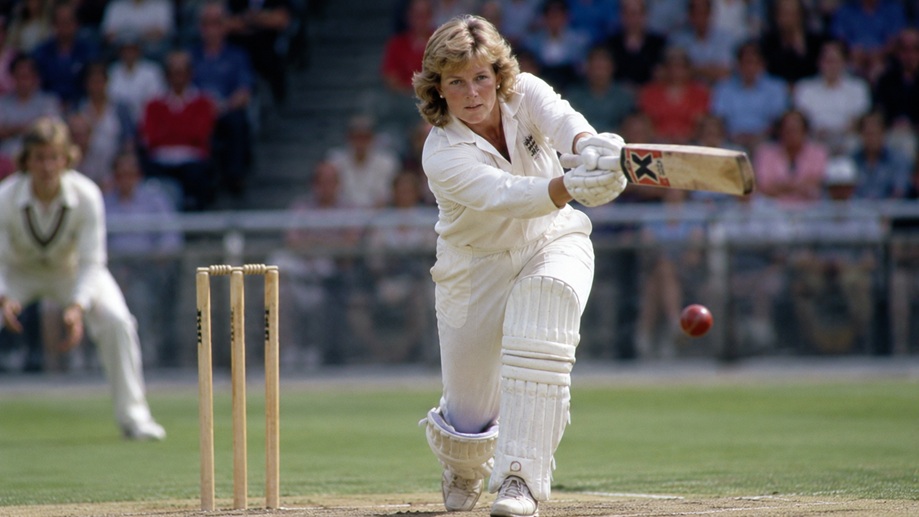
2000 World Cup: Charlotte Edwards Achieves 139
The Women’s World Cup match of 2000 is often regarded as the most significant game in this history.
England amassed a score of 256 runs for the loss of 3 wickets in their 50 overs, with Charlotte Edwards delivering an outstanding performance with an unbeaten 139 runs off 152 deliveries. Barbara Daniels also contributed significantly with a score of 79.
The Netherlands could only manage 116 runs for the loss of 9 wickets, resulting in a 140-run win for England.
For the Netherlands, Maartje Koster scored 27 runs, Teuntje de Boer added 17 runs, and both Rowan Milburn and Caroline Salomons contributed 12 runs each.
England’s Sarah Collyer also had an impressive bowling performance, taking 5 wickets for 32 runs in 10 overs.
Edwards’ score of 139 continues to be the highest individual score achieved by an England player in this rivalry and is recognized among the distinguished scores in women’s ODI history.
2001: The Most Recent Recorded Match
The latest recorded official ODI match between the two teams took place at Bradfield College on August 11, 2001.
The Netherlands were all out for 74 runs in 43.2 overs, with Pauline te Beest scoring 35 and Elly van Leeuwen adding 13 runs. England easily chased down the target, ending their innings at 76 runs for the loss of 1 wicket in 18.2 overs, thus winning by nine wickets.
Arran Brindle for England scored 38 runs not out, and Lynn Harper finished with an unbeaten 29 runs.
This match concluded England’s perfect record of 10-0 against the Netherlands.
Who Is the Leading Run Scorer in This History?
When analyzing the matches between the Netherlands Women and England Women, certain innings are particularly noteworthy.
For England, the top individual scores include:
- Charlotte Edwards – 139 not out
- Jane Cassar – 91
- Caroline Hodges – 91
- Barbara Daniels – 79
- Wendy Watson – 57
- Jane Powell – 52
- Barbara Daniels – 52
- Jo Chamberlain – 36
The ACS head-to-head records specifically highlight Edwards’ 139 not out, Hodges’ 91, Cassar’s 91, Daniels’ 79, and Watson’s 57 as among the standout innings for England.
For the Netherlands, the standout achievements feature Ariette van Noortwijk’s unbeaten 46 in 1989, Edmee Janss’ 44 in 1995, and Pauline te Beest’s 35 in 2001.
Netherlands Women vs England Women in 2026
The 2026 season marks a new phase instead of simply continuing the previous ODI series.
The Netherlands has secured a spot in the ICC Women’s T20 World Cup 2026, joining Australia, South Africa, India, Pakistan, and Bangladesh in Group 1. England has been placed in Group 2 with the West Indies, New Zealand, Sri Lanka, Ireland, and Scotland.
This indicates that the teams were not set to face off during the group stage of the 2026 T20 World Cup. The Netherlands competed against Bangladesh, India, Australia, South Africa, and Pakistan in Group 1, while England’s group matches included Sri Lanka, Ireland, Scotland, the West Indies, and New Zealand.
Thus, as of 2026, the historical international matchup stands with England leading at 10-0.
Why the 2026 Chapter Matters
The significance of this history extends beyond mere win-loss records.
The initial games illustrate a Netherlands squad striving to establish itself against one of the most formidable women’s cricket teams. Conversely, England featured players like Charlotte Edwards, Caroline Hodges, Barbara Daniels, and Jane Cassar, all capable of delivering game-changing performances.
The Netherlands’ development is also evident in players such as van Noortwijk and te Beest, who consistently shouldered batting responsibilities. Their contributions formed a crucial baseline even when the overall outcomes were unfavorable.
In 2026, the Dutch team has a significantly broader international presence. Qualification for a 12-team T20 World Cup is a noteworthy achievement, and the tournament’s larger format signifies the expanding popularity of women’s cricket. The ICC has confirmed that the upcoming edition is the largest Women’s T20 World Cup ever, with 12 teams participating.
Thus, the timeline of Netherlands Women versus England Women has two separate eras. The first spans from 1988 to 2001 and is largely characterized by England’s dominance. The second represents the contemporary era, where the Netherlands are gaining chances to compete on more significant platforms.
Should the teams clash again, the outcome would create a fresh chapter in a historical record that has remained unchanged for over twenty years. While the previous scorelines will still hold relevance, the next encounter would be assessed through the lens of a distinct generation of athletes, a quicker format, and a significantly evolved women’s cricket environment.
Conclusion
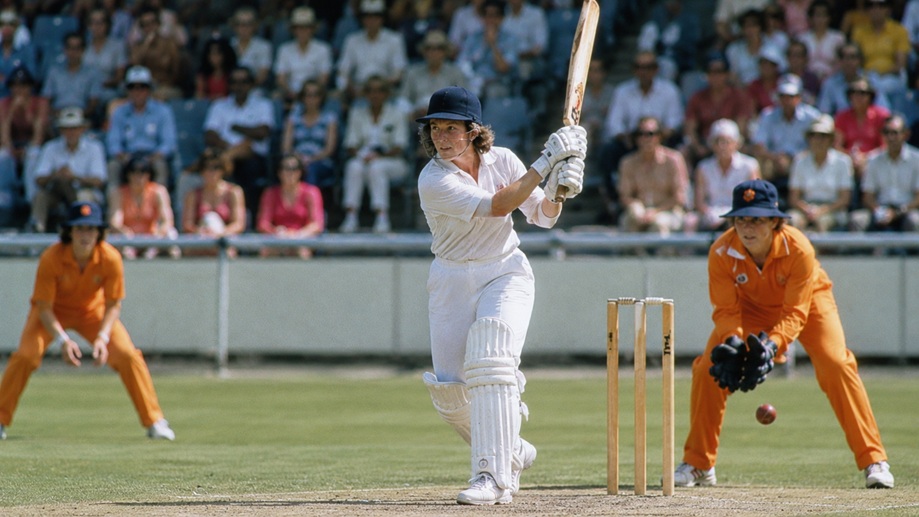
The cricket history between the women’s teams of the Netherlands and England highlights England’s enduring superiority and the Netherlands’ gradual rise in the global arena. Over their ten documented ODI encounters from 1988 to 2001, England emerged victorious in all matches, with numerous wins being achieved by substantial margins.
This period featured some remarkable individual displays. Charlotte Edwards’ not out score of 139 during the 2000 Women’s World Cup stands as the most impressive batting performance, whereas Lynn Harper’s bowling figures of 5/12 in 1999 rank among the finest in the history of these contests. Meanwhile, for the Netherlands, athletes like Ariette van Noortwijk, Edmee Janss, and Pauline te Beest made significant contributions, despite facing tough outcomes.
As of 2026, the scenario has transformed considerably. The Dutch women’s cricket team’s qualification for the 2026 ICC Women’s T20 World Cup illustrates the advancements made, while England continues to be one of the preeminent teams in the international cricket landscape.
Despite there being no fresh senior clash between the two teams during the group stage of the 2026 World Cup, their past record serves as a fascinating representation of the growth of women’s cricket. A potential future encounter would provide both teams the chance to initiate a new chapter in this extensive timeline.