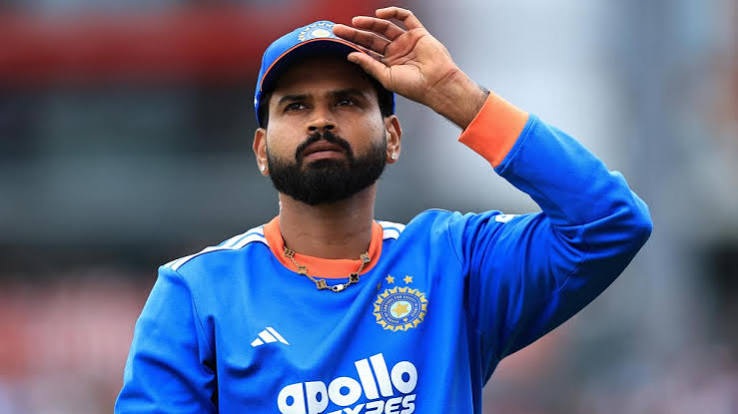

The Indian cricket squad has faced disheartening losses previously, yet the defeat to England in the third T20 International at Trent Bridge carried a distinct quality. It was not just losing another game—it was the nature of the loss that shocked fans, former players, and cricket analysts globally.
England dominated India in every aspect, inflicting a staggering 125-run loss after setting a substantial total. In response, India crumbled to just 76 runs, marking one of the bleakest batting displays in the nation’s T20 history. After the match, captain Shreyas Iyer did not try to lighten the impact. He labeled the performance with one straightforward term: “despicable.”
This loss has inevitably increased discussions surrounding Shreyas Iyer’s captaincy, as India now confronts rising pressure to revive the series and reaffirm its confidence.
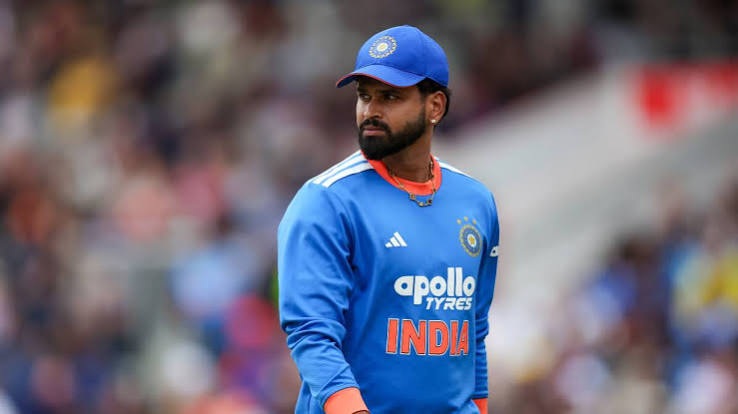
A Landmark Loss That No One Anticipated
India began the series with aspirations to uphold its status as one of the premier white-ball teams in global cricket. Instead, the squad now finds itself under fire after delivering one of its weakest T20 performances in recent times.
England’s assertive batting established an ideal foundation before their fast bowlers completely dismantled India’s batting structure. The visitors struggled to gain any momentum during the chase, losing wickets consistently and yielding without significant fight.
Several unwanted records emerged from the encounter:
- India’s largest defeat by runs in T20 Internationals.
- One of India’s lowest T20I scores.
- England securing a significant lead in the five-match series.
- Shreyas Iyer still seeking his first win as India’s full-time T20 captain.
These figures further fuel the discourse surrounding Shreyas Iyer’s captaincy, although it is evident that the issues span beyond a single individual.
England’s Pacers Uncovered India’s Flaws
Archer and Tongue Delivered Exceptional Performances
If there was a standout aspect of the match, it was the genuine fast bowling showcased.
Jofra Archer consistently bowled above 145 km/h, while Josh Tongue generated bounce and movement that India’s batters found challenging to manage. Together, they tore through the batting order before India could find any rhythm.
The early overs immediately altered the dynamics of the game. India’s top order attempted bold shots but seldom appeared in control against the increased pace.
Several dismissals indicated uncertainty rather than assured intent, implying that England had executed a meticulously crafted bowling plan.
Post-match analysis revealed that India’s first five wickets fell during the Powerplay, effectively concluding the match before the middle overs could commence.
Understanding Why India’s Batting Collapsed So Severely
The scorecard reflects only a fraction of the reality.
The broader issue was India’s failure to adjust to shifting conditions.
Rather than evaluating the pitch and altering their shot choices, the batters persisted in attacking deliveries that required discretion. The outcome was a steady return to the dressing room.
Numerous technical flaws became apparent:
- Ineffective foot movement against short-pitched deliveries.
- Absence of partnerships.
- Questionable decision-making in shot selection.
- Inability to rotate the strike.
- Anxiety following early dismissals.
England immediately recognized the frailties and maintained relentless pressure.
The failure quickly evolved into a struggle of mentality as much as one of skills.
For fans eager to see another exciting chase, the innings served as an unpleasant reminder that even the best teams can lose their confidence when faced with continuous pressure.
As discussions regarding Shreyas Iyer’s leadership continue, the execution of batting remains the primary issue.
Shreyas Iyer’s Candid Acknowledgment Garnered Appreciation
Captains typically revert to familiar expressions following significant losses.
“We will learn.”
“We will recover.”
“We will enhance.”
In contrast, Shreyas Iyer opted for a radically different tactic.
He candidly declared the performance as “atrocious” and maintained that there were no justifications after such a decisive loss. Instead of attributing it to external factors or fortune, he took responsibility and acknowledged that the team needed to rethink their strategy.
That level of candor received accolades from numerous observers.
Nevertheless, mere honesty cannot quell the rising criticism.
With Shreyas Iyer’s leadership being scrutinized, the focus is now moving from post-game discussions to strategic choices made on the field.
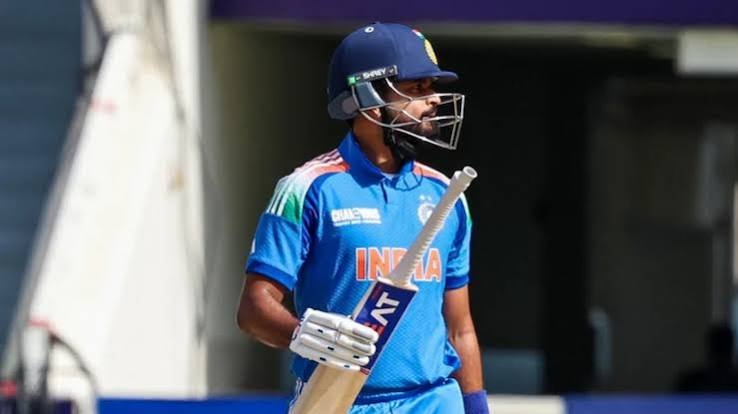
Are Leadership Choices Raising Concerns?
A captain’s decisions are often examined more rigorously during periods of losing.
While the Indian batting lineup is primarily to blame, there also have been inquiries about specific strategic decisions made throughout the series.
Field Arrangements
English batters often exploited gaps during the middle overs, indicating that conservative field setups allowed for easy scoring chances.
Bowling Adjustments
Some experts questioned the timing of the bowling changes, feeling that aggressive bowlers should have been utilized differently to disrupt England’s rhythm earlier on.
Batting Lineup Confusion
The most discussed issue perhaps revolved around India’s batting order during the chase.
Unexpected promotions and the late entry of seasoned players left fans baffled as wickets kept falling.
Although a single match cannot dictate a captain’s destiny, ongoing issues with strategy naturally keep Shreyas Iyer’s leadership under scrutiny as the series unfolds.
Pressure Intensifies Ahead of Upcoming Matches
International cricket provides little space for recovery.
India now heads into the remaining games aware that another loss could grant England an unbeatable series win while increasing spotlight on both leadership and team composition.
Fortunately for India, seasoned players are still available, and history indicates that successful squads often rebound sharply after significant defeats.
The objective is to make this setback a pivotal moment instead of the start of a long decline.
For Shreyas Iyer personally, the upcoming matches may represent the most significant test of his international captaincy thus far.
The Broader Perspective: Is This Just an Isolated Incident or a Red Flag?
Every successful cricket squad faces challenges. Nonetheless, the magnitude of India’s loss has led to a more profound examination of the T20 team’s future.
In the past year, India has trialed various lineups, given rest to veteran players, and entrusted leadership to rising captains. While this approach aims to create a competitive squad for forthcoming ICC events, inconsistency remains a pressing issue.
The batting breakdown against England revealed persistent problems instead of mere individual errors. When confronted with high-quality fast bowling, India’s top order has shown difficulty in adapting, particularly following early dismissals. This trend re-emerged dramatically at Trent Bridge.
Consequently, the scrutiny on Shreyas Iyer’s captaincy has become a part of a larger dialogue regarding India’s transition in limited-overs formats, rather than merely concentrating on one disappointing match.
What India Needs to Adjust Before the Upcoming Game
Bouncing back from a significant loss goes beyond just motivational talks. The coaching staff needs to pinpoint effective strategies that can enhance performance swiftly.
Establish Longer Partnerships
One major distinction between England and India was the ability to form substantial partnerships.
England managed to handle pressure at the start before gaining momentum, while India’s batsmen seldom collaborated long enough to solidify the innings. Rebuilding trust begins with prioritizing partnerships instead of solely aiming for boundaries from the onset.
Enhance Shot Selection
Today’s T20 cricket rewards bold batting, yet such aggression must remain strategic.
Several Indian batsmen pursued high-risk shots against balls that required a more patient approach. Rotating the strike, valuing quality bowling, and patiently waiting for scoring chances could significantly influence the upcoming matches.
Rely on Clearly Defined Roles
Frequent alterations in the batting sequence can lead to confusion.
Players typically excel when they have a clear understanding of their roles. A stable batting lineup enables batsmen to mentally prepare and carry out their strategies with greater assurance.
These changes might also alleviate pressure while discussions around Shreyas Iyer’s captaincy remain prevalent in the news.
Reactions from Former Cricketers and Analysts
Former international cricket stars unanimously labeled India’s showing as one of the weakest in recent times.
Numerous commentators praised the discipline of England’s bowling unit but emphasized that India’s downfall stemmed largely from preventable errors.
Some of the most recurrent observations included:
- India’s inability to maintain composure following early wickets.
- England’s better tactical implementation.
- Problems adjusting to pace and bounce.
- Poor choices under pressure.
- The requirement for stronger leadership during challenging moments.
Several analysts expressed admiration for Shreyas Iyer’s openness in accepting public accountability. Instead of deflecting blame, he acknowledged that the team faltered across all aspects.
However, in the end, international cricket is primarily assessed based on results. As losses persist, conversations regarding Shreyas Iyer’s captaincy will likely continue.
Can Shreyas Iyer Address His Detractors?
Captaincy is seldom judged based on a single game performance.
Numerous successful Indian leaders—such as MS Dhoni, Virat Kohli, and Rohit Sharma—went through hard times before establishing triumphant teams. Leadership is frequently characterized not by the avoidance of difficulties but by how one addresses them.
For Shreyas Iyer, the upcoming matches present a chance to showcase his ability to bounce back.
An impressive win would quickly alter the atmosphere surrounding the team, while better strategic choices could enhance trust among fellow players and fans.
His composed attitude following the loss indicated a leader ready to confront criticism instead of avoiding it. The next step is to channel that perspective into effective gameplay.
Should India manage a robust recovery, the current scrutiny of Shreyas Iyer’s captaincy could swiftly transform into accolades for a successful return.
England Deserve Credit for a Complete Performance
Even though India’s downfall has captured the headlines, it is essential to acknowledge the commendable performance from England.
Their batting showcased a blend of aggression and astute game management, leading to a substantial total. The bowlers continued to apply unyielding pressure, seldom giving Indian batters an opportunity to regain composure.
Jofra Archer’s speed, Josh Tongue’s bounce, committed fielding, and strategic leadership demonstrated a team executing their plans nearly flawlessly.
England proved why they continue to be one of the strongest T20 teams globally, particularly in home conditions where they have a better grasp of pitch dynamics and weather than their opponents.
India’s vulnerabilities were clear, but England was responsible for many of those issues through their outstanding execution.
The Road Ahead for Team India
In spite of the letdown, the series is still within reach.
The pace of international cricket is swift, and the momentum can shift in an instant. India has sufficient skill, experience, and depth to rebound if they heed the lessons from this setback.
Immediate goals should focus on:
- Rebuilding confidence in batting.
- Enhancing strategic adaptability.
- Dealing with pressure more effectively during key moments.
Fans will also seek noticeable improvements in:
- Fielding intensity.
- Bowling precision.
These were two aspects where England had a clear upper hand.
The attention will inevitably remain on the scrutiny of Shreyas Iyer’s captaincy, but cricket is fundamentally a team effort. Wins and losses are collectively experienced, and India’s reaction over the upcoming matches will reveal much more than just one unproductive outcome ever could.
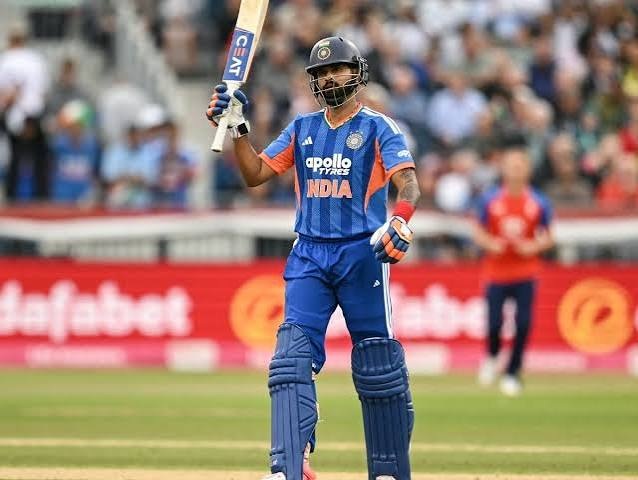
Conclusion
India’s significant loss to England will be remembered not only for the scoreline but also for revealing vulnerabilities that had been subtly growing. A fragile batting effort, inconsistent tactical implementation, and failure to recover after early challenges contributed to one of the team’s most disappointing T20 outings in recent times.
Shreyas Iyer’s forthright description of the performance as “atrocious” displayed accountability, earning him appreciation from many fans for his transparency. Nevertheless, in international cricket, leadership effectiveness is gauged by the measures taken in response to challenging situations.
The forthcoming matches now serve as a critical examination for both the captain and the team. If India can react with better decision-making, improved batting partnerships, and increased composure under stress, this defeat might become recognized as a turning point for positive change instead of a signal of decline.
For the moment, however, Shreyas Iyer’s captaincy remains one of the primary discussion subjects in Indian cricket, with only on-field performances capable of dictating the duration of that dialogue.