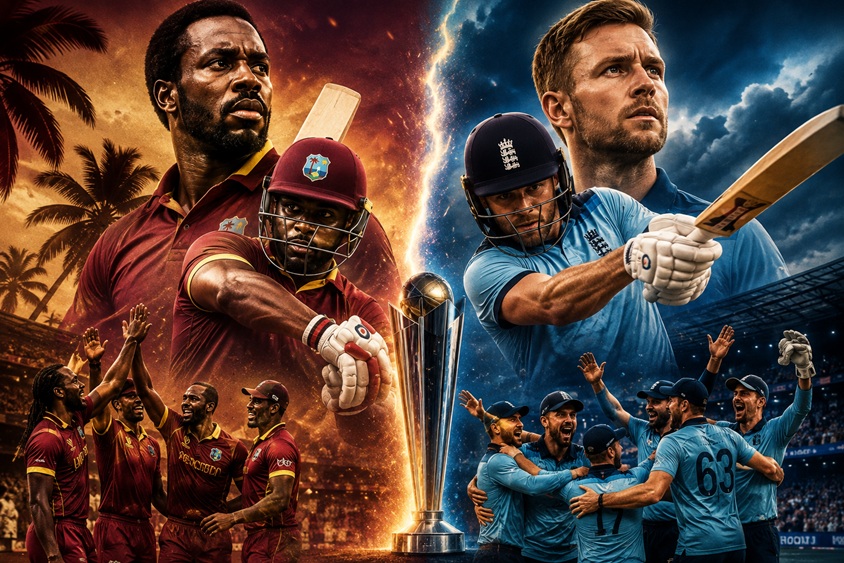

The narrative between these cricketing nations transcends mere scoreboard results. It encompasses the initial phases of Test cricket, the remarkable fast-bowling era of the West Indies, the rebuilding periods for England, thrilling T20 finals, and, most recently, another significant clash during the 2026 T20 World Cup.
The timeline of West Indies versus England essentially illustrates a shift in dominance. England has historically been seen as the stronghold of cricket’s traditional establishment, while the West Indies cultivated a generation that transformed the style of international cricket. Their encounters thus mirror evolving strategies, characters, and cricketing cultures.
From the realm of Test matches to the contemporary T20 format, this fixture has consistently yielded unforgettable moments that fans cherish long after the last wicket falls.
The early foundation of the rivalry
England and West Indies have a lengthy Test match history, with the Caribbean team ultimately gaining a reputation as one of the most formidable sides globally. The rivalry dramatically evolved in the 1970s.
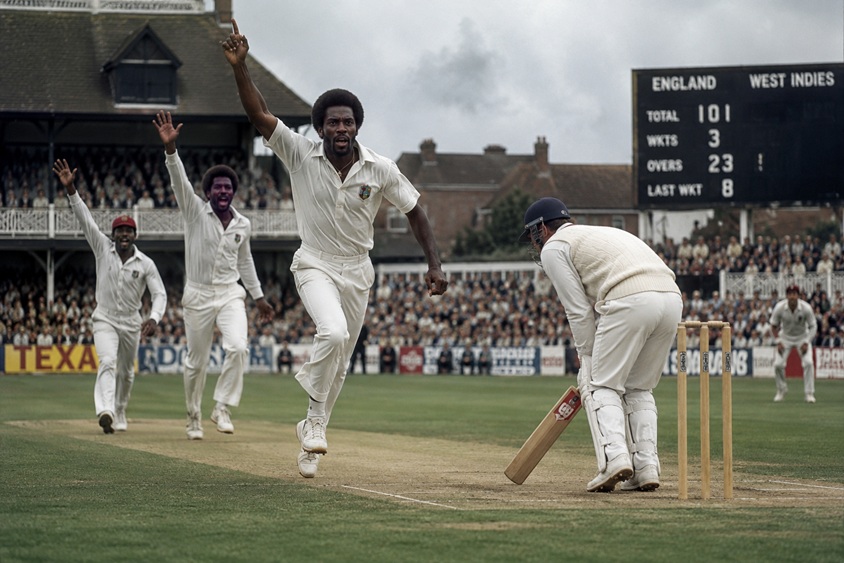
The 1976 series in England marked a pivotal moment in this rivalry. Following the contentious remarks made by Tony Greig before the series, Clive Lloyd’s West Indies retaliated with a fierce blend of speed, aggression, and unyielding pressure. The visitors achieved a 3-0 series victory, with their win at the Oval by 231 runs becoming a lasting symbol of that tour. ICC records highlight this remarkable 1976 outcome.
The West Indies golden era
Throughout the late 1970s, 1980s, and a substantial portion of the 1990s, the power dynamics heavily favored the Caribbean team. Fast bowlers from West Indies, such as Michael Holding, Malcolm Marshall, and Curtly Ambrose, turned batting against them into a grueling challenge.
A historic analysis of the rivalry shows that England failed to secure a Test win against the West Indies from 1976 until 1989, suffering seven consecutive series losses. That timeframe contributed to the fixture’s intimidating reputation.
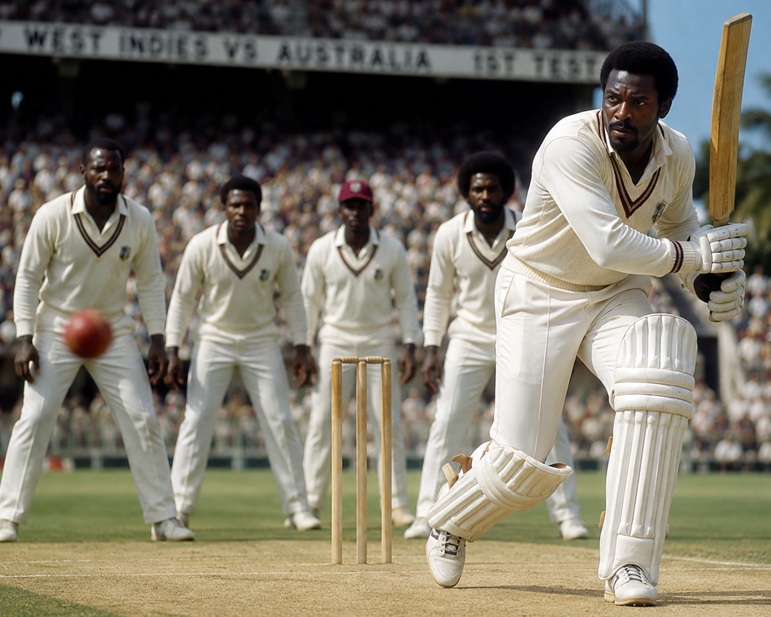
Nonetheless, England boasted exceptional talents. Graham Gooch emerged as a prominent English batsman capable of tackling the Caribbean bowling attack, while the West Indies featured legends like Viv Richards, Gordon Greenidge, and Desmond Haynes. The rivalry extended beyond simply one team excelling; it represented a clash of two distinct cricketing identities.
2000: England changes the balance
As the new millennium began, a significant transformation occurred. In 2000, England scored a Test series victory over the West Indies, concluding a long wait for success against the Caribbean nation. This outcome was significant as it implied a shift in the established order. Historical materials from the ICC indicate that England’s 3-1 series triumph marked the end of 27 years of West Indian supremacy in England.
In the early 2000s, England continued to advance, while the West Indies struggled to maintain the consistency that characterized their illustrious past. Nevertheless, the Caribbean side still possessed enough individual talent to make each match a threat.
In 2004, England achieved another notable Test series win in the Caribbean, but the West Indies responded effectively in subsequent years. During 2009-10, the two teams engaged in a competitive five-Test series, with West Indies clinching the series 1-0 and reclaiming the Wisden Trophy.
T20 changes the rivalry
The emergence of T20 cricket transformed the nature of the competition. Rather than enduring lengthy contests and the strain of extended matches, games shifted focus to power hitting, creativity, and finishing techniques.
A prominent illustration of this shift is the 2016 ICC World Twenty20 final. England set a target of 156 runs for 6 wickets, but the West Indies approached it with remarkable flair. Carlos Brathwaite hit four successive sixes in the final over bowled by Ben Stokes, clinching the championship. Prior to that, Chris Gayle had also delivered a century against England during the tournament, exemplifying the Caribbean team’s ability to dominate with sheer strength.
This final stands out as a pivotal moment in modern cricket as it fused history, intensity, and a stunning conclusion.
West Indies vs England timeline: recent years
The 2020s have ushered in a more dynamic and less predictable competition. England has typically demonstrated greater strength in limited-overs formats, but the West Indies continue to pose a serious threat due to their athleticism, explosive batting, and bowling variety.
The 2025 tour of England showcased the present-day dominance of England in white-ball cricket. They claimed victory in all three One Day Internationals:
- 238 runs in Birmingham
- three wickets in Cardiff
- seven wickets using the DLS method in London
England also achieved a clean sweep in the T20Is, winning by margins of:
- 21 runs
- four wickets
- 37 runs respectively
While these outcomes seemed imbalanced, they set the stage for an intriguing future encounter.
West Indies vs England timeline: the 2026 T20 World Cup
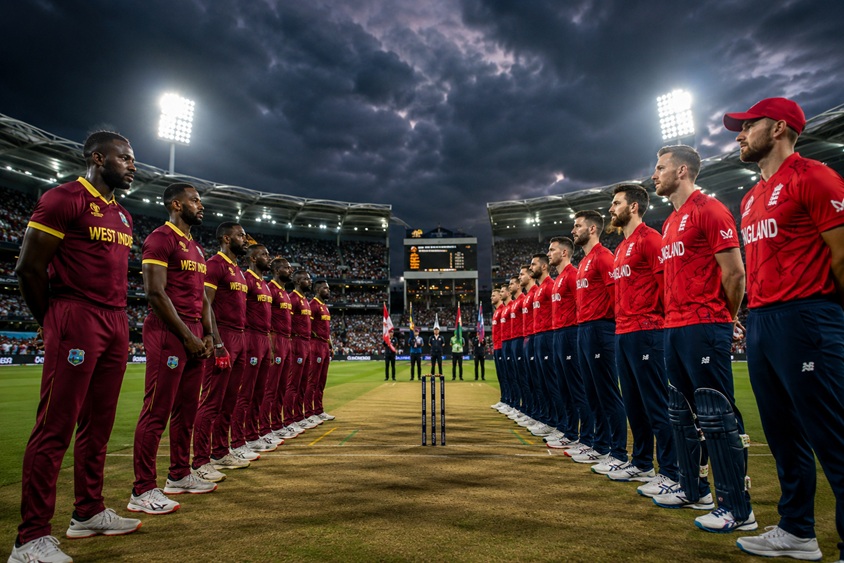
On February 11, 2026, the two teams faced off at Wankhede Stadium in Mumbai during the ICC Men’s T20 World Cup. In this instance, the tide turned in favor of the Caribbean side.
West Indies scored 196 runs for 6 wickets, bolstered by Sherfane Rutherford’s impressive 76 runs off 42 balls. England was dismissed for 166 runs in 19 overs, resulting in a 30-run victory for the West Indies. The ICC’s match coverage confirmed this outcome and highlighted the effectiveness of the West Indies spin bowlers.
This match was especially noteworthy as England had triumphed in every ODI and T20I during their home series in 2025. Less than a year later, the West Indies turned the tables on a prestigious global platform.
Key participants who influenced the rivalry
Viv Richards and the legendary players of West Indies
Viv Richards embodies the self-assurance of the West Indies’ powerful period. He exhibited dominance at the batting crease along with a style that immediately pressured the bowlers. Surrounding him, Greenidge, Haynes, and a remarkable fast-bowling lineup formed a team capable of controlling matches right from the beginning.
The impact of this generation extended beyond mere numbers. The West Indies established a strategy based on relentless speed, attacking field placements, and psychological dominance, rendering the team as one of the pivotal forces in international cricket.
England’s contemporary white-ball stars
England’s current squads have depended on assertive batting and adaptable bowling techniques. Jos Buttler emerged as a key player in this strategy, while athletes like Joe Root, Harry Brook, and Adil Rashid have ensured England’s competitiveness across various formats.
The tour in 2025 showcased that depth. Buttler topped the run charts in the T20I series with an impressive 165 runs, while England’s bowlers consistently placed West Indies in challenging pursuit situations.
Sherfane Rutherford and the emerging Caribbean bowling unit
The encounter during the 2026 World Cup highlighted the future talent. Rutherford’s score of 76 was the standout performance in batting, but it was the West Indies’ bowlers who made the crucial impact. Gudakesh Motie captured three wickets, transforming a potentially high-scoring chase into an England meltdown. The ICC’s match resources recognize both Rutherford’s performance and Motie’s role as significant events of the match.
Why this rivalry holds significance
The timeline of West Indies vs England is intriguing not only due to its history but also because it symbolizes two vastly different cricketing traditions. England showcases structured frameworks, extensive professional assets, and a contemporary attacking mindset. The West Indies present a distinctive Caribbean cricket character founded on creativity, athleticism, strength, and personal expression.
This disparity is particularly insightful in T20 cricket, where a single over can dramatically alter the outcome of a game. It also implies that historical results seldom predict future performances.
For supporters, the rivalry provides multiple dimensions. Test matches evoke memories of legendary fast-bowling contests. ODIs link the teams through World Cups and harmonious series. T20 matches have delivered some of the most thrilling finishes in the game.
A concise timeline of important milestones
The timeline of West Indies vs England incorporates significant moments that clarify the enduring popularity of the fixture:
- 1976: West Indies defeats England in a series 3-0, marking the commencement of a new era of supremacy.
- 1980s: The pace from the Caribbean continues to be the hallmark of the rivalry.
- 2000: England secures victory over West Indies in a Test series, ending a lengthy drought of series wins.
- 2009-10: West Indies emerges victorious in a five-Test home series 1-0, reclaiming the Wisden Trophy.
- 2016: West Indies triumphed over England in the World T20 final following Brathwaite’s four consecutive sixes.
- 2025: England wins all three ODIs and all three T20Is during their tour to the West Indies.
- 2026: West Indies triumphs over England by 30 runs in the T20 World Cup held in Mumbai.
What insights does the 2026 chapter provide us
The timeline of West Indies versus England does not diminish England’s solid recent performance, but it illustrates why this matchup remains challenging to forecast. The West Indies faced defeat by England six times during the 2025 ODI and T20I tour, but they rallied when it mattered most at an international competition.
The key takeaway from this rivalry is clear: although momentum is significant, factors like playing conditions, match format, and individual contributions can quickly alter the narrative.
For England, their loss in 2026 highlighted the danger of letting West Indies’ middle order accumulate a substantial score. Conversely, the triumph for West Indies emphasized the importance of balancing powerful batting with disciplined spin bowling and effective wicket-taking opportunities.
The broader historical context
The West Indies and England rivalry has evolved over various eras of cricket. It has transitioned from a period of Test match supremacy and intimidating fast bowlers to thrilling T20 finishes and contemporary white-ball tactics.
Nevertheless, the emotional essence has remained significantly stable. England and West Indies contribute distinct cricketing legacies to the same matchup, and this distinction continually generates new narratives.
As we progress through 2026, what’s particularly intriguing isn’t just which team has won more games. It’s how each team reacts to the strengths of the other. England will be keen to reclaim their dominance in white-ball cricket, while the West Indies can draw confidence from their victory in Mumbai, serving as proof that they can triumph against a top rival when they perform at their best.
This ongoing rivalry is captivating for reasons beyond just the final score. Each new series adds an additional dimension to a narrative rich with instances of dominance, comebacks, disappointments, and memorable finishes.
Conclusion
The timeline of matches between the West Indies and England illustrates one of cricket’s most intriguing rivalries, molded by evolving periods, iconic players, and unforgettable games. From the West Indies’ supremacy during their peak years to England’s revival in recent times, both nations have consistently shaped the outcome of this competition.
The 2016 T20 World Cup final stands out as a pivotal episode in this rivalry, highlighted by Carlos Brathwaite hitting four back-to-back sixes, which made for an extraordinary conclusion. More recently, England showcased their prowess in the 2025 white-ball series, effectively dominating both ODIs and T20Is.
Nevertheless, the 2026 T20 World Cup encounter introduced yet another thrilling segment. The West Indies delivered a formidable batting display, spearheaded by Sherfane Rutherford’s innings of 76 runs from 42 balls, and subsequently defended their score successfully, thus defeating England by 30 runs. This outcome confirmed that even with England’s recent superiority, the West Indies continue to pose a formidable and erratic challenge in limited-overs cricket.
As both teams persist in fostering fresh talent and innovative strategies, the rivalry between the West Indies and England is poised to generate further captivating episodes in the upcoming years.