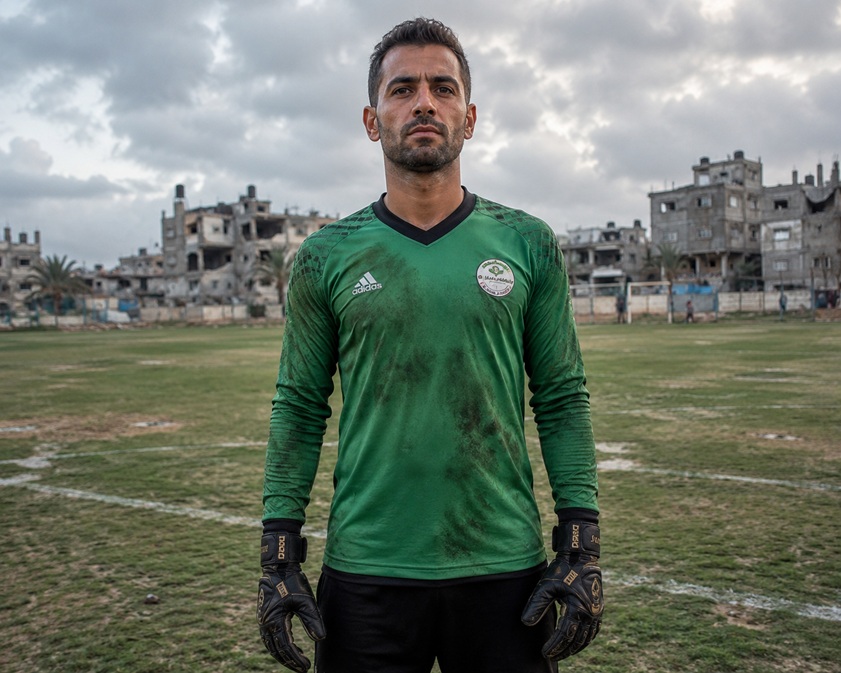

The demise of Palestinian goalkeeper Saleem Al-Ashqar has once again highlighted the severe consequences of the Gaza conflict on non-combatants and the sports sector on a global scale. The 32-year-old footballer, who played for various clubs in Gaza, lost his life due to injuries sustained during an Israeli military operation close to Khan Younis, as reported by the Palestinian Football Association (PFA). It has been stated that he was hit by gunfire in the Al-Qarara region and unfortunately passed away even after receiving medical attention.
Al-Ashqar’s passing has led to tributes pouring in from football teams, athletes, and fans across the globe. His death is being discussed in relation to the larger humanitarian issues plaguing Gaza, a place where the sports sector and its athletes have been greatly affected by the continued strife.
Who Was Saleem Al-Ashqar?
Saleem Al-Ashqar was seen as one of the veteran goalkeepers within Gaza’s local football scene. Throughout his football journey, he represented teams like:
- Khadamat Khan Younis
- Al-Aqsa Club
- Al-Musaddar
gaining admiration for his skills as a goalkeeper.
His friends and teammates portrayed him as a dedicated player who maintained his passion for football regardless of challenging living conditions. Reports from Palestinian media indicate that he had recently married a few months ahead of his death and was anticipating the arrival of his first child.
For numerous aspiring footballers in the southern region of Gaza, Al-Ashqar stood as a symbol of resilience. Training venues, league activities, and sports events have frequently been disrupted because of the conflict, yet players like him endeavored to play whenever it was feasible.
How the Incident Occurred
As per the Palestinian Football Association and several news outlets, Al-Ashqar was located in the Al-Qarara area, positioned northeast of Khan Younis, when Israeli forces opened fire in the vicinity. Reports suggest he suffered critical abdominal wounds and was quickly transported to a local hospital.
Medical Response
Medical teams reportedly made attempts for emergency intervention, but the severity of his internal injuries ultimately proved to be fatal. Hospital sources referenced by Palestinian officials indicated that a lack of necessary equipment and an overwhelmed healthcare system complicated the medical response.
Official Statements
At the time of publication, the Israeli military had not released detailed public statements specifically regarding Al-Ashqar’s death. Coverage has mainly depended on information from the Palestinian Football Association and local news outlets.
The death of Saleem Al-Ashqar rapidly became one of the most talked-about incidents involving athletes impacted by the ongoing hostilities.
Growing Impact on Palestinian Sports
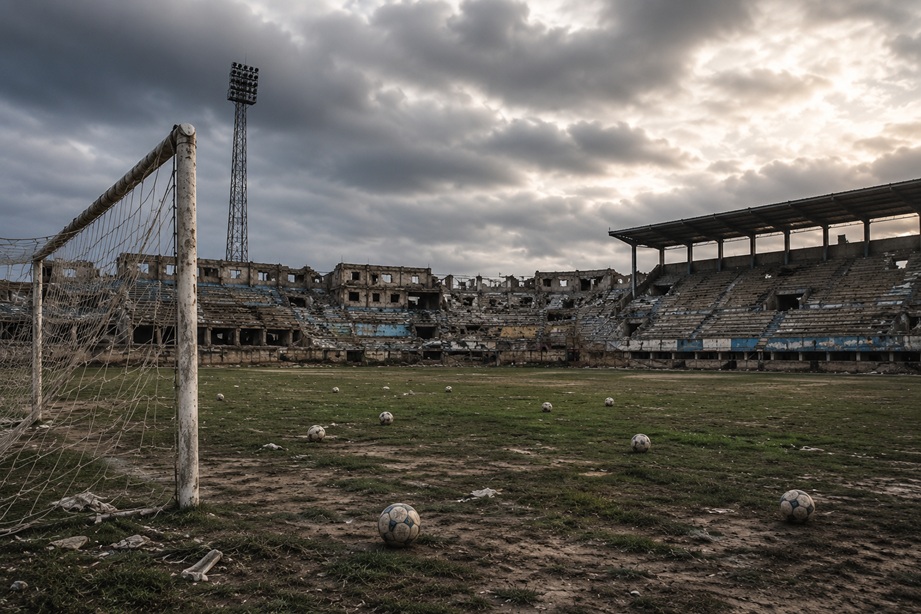
The ongoing conflict has significantly disrupted nearly every facet of organized sports within Gaza. Local football leagues have primarily been halted, stadiums have experienced significant damage, and countless players have been forced from their homes.
According to the Palestinian Football Association, over one thousand athletes from various sports disciplines have lost their lives since the escalation of conflict in October 2023. Independent verification of total casualties remains challenging in a conflict zone, but global organizations have documented extensive destruction to civilian infrastructure throughout Gaza.
Thus, the death of Saleem Al-Ashqar has become emblematic of the broader difficulties confronting Palestinian football.
Football Beyond the Field
Football has historically served as a vital source of stability for numerous communities in Gaza. Even amidst times of turmoil, local teams have consistently managed to arrange youth initiatives and competitions when conditions allowed for safety.
For young players and those aiming to be goalkeepers, seasoned athletes like Al-Ashqar symbolized the possibility that athletic aspirations could endure amid significant obstacles.
His passing emphasizes that the ramifications of conflict go beyond mere politics and military actions, impacting:
- Athletes
- Coaches
- Families
- Entire sports communities
International Responses
Homage began pouring in shortly after the announcement of Al-Ashqar’s death.
The Palestinian Football Association released a statement expressing sorrow over his demise and offered condolences to his relatives. Football fans on social media platforms also circulated messages honoring his impact on football in Gaza.
One club that conveyed its sympathies was Chile’s Club Deportivo Palestino, which characterized the goalkeeper’s passing as profoundly sorrowful and reiterated calls for justice and peace.
The death of Saleem Al-Ashqar has also been reported by various global news outlets, bringing renewed focus to the human toll of the conflict and its influence on the realm of sports.
Humanitarian Impacts Beyond the Realm of Football
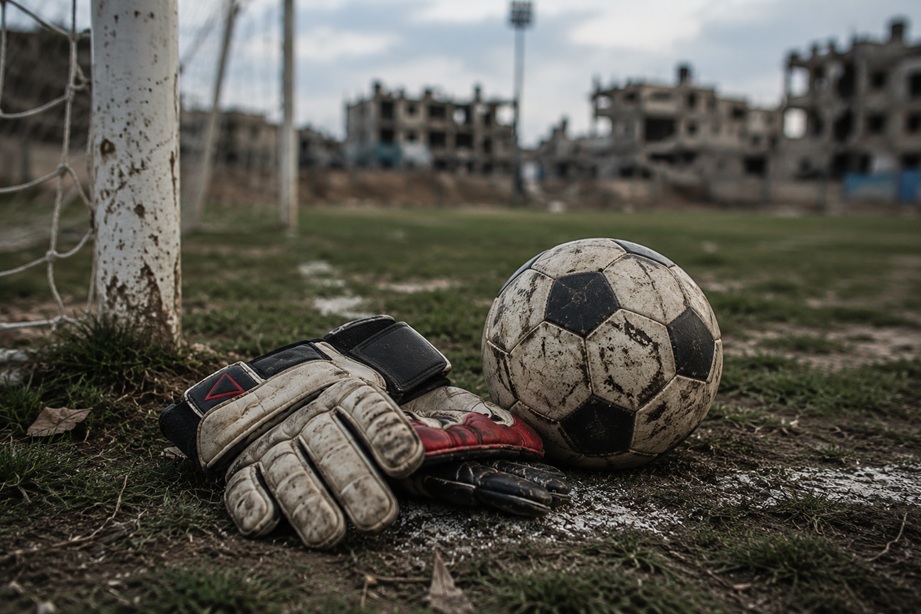
The passing of Saleem Al-Ashqar has once again shed light on the severe humanitarian repercussions caused by the turmoil in Gaza. Although football is often seen as a means to bring people together and inspire hope during challenging periods, ongoing violence has created hurdles for many athletes striving to pursue their careers. The conditions in which they train, including stadiums, sports complexes, and youth programs, have either suffered damage or been compelled to halt operations due to continuous safety issues.
For numerous Palestinian households, football has symbolized more than mere recreation. It has provided children with the chance to cultivate values like discipline, cooperation, and ambition amidst harsh living circumstances. Consequently, every loss within the sports sector reverberates far beyond the sphere of football.
The death of Saleem Al-Ashqar serves as a poignant reminder that conflicts influence all facets of civilian existence, affecting education, healthcare, culture, and sporting activities.
Difficulties Encountered by Young Footballers in Gaza
Emerging footballers in Gaza are now confronted with difficulties that transcend mere competition. A variety of clubs have been challenged in establishing consistent training routines, while league events continue to face interruptions due to safety fears.
The prominent obstacles include:
- Limited availability of secure training locations.
- Destruction of sports facilities and football stadiums.
- Suspension of local league events.
- Fewer chances for youth development.
- Mental health implications of residing in war zones.
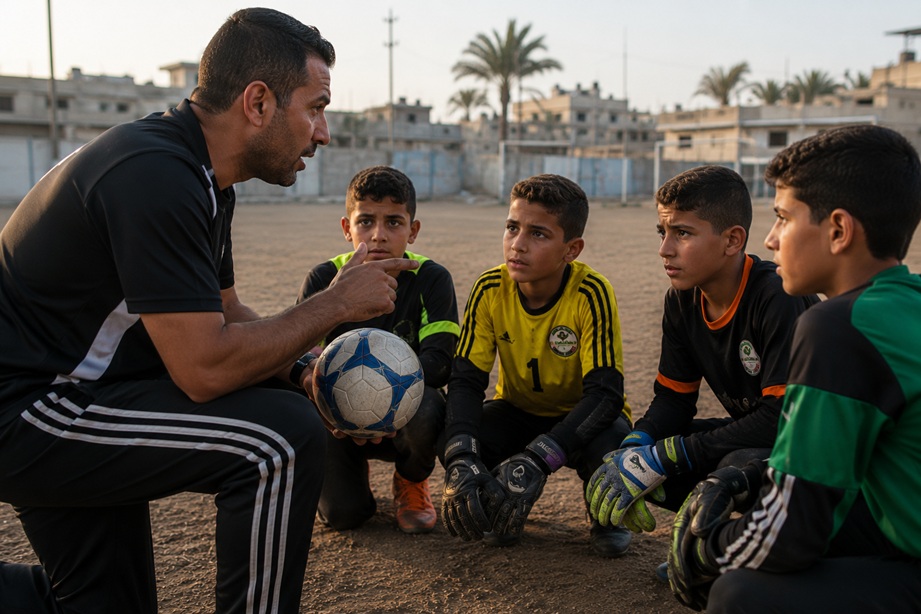
In spite of these challenges, local coaches persist in motivating young talent to stay engaged in football whenever it is feasible.
Response from the Global Football Community
The news regarding the goalkeeper’s passing quickly circulated through worldwide football networks. Organizations, fans, and humanitarian entities expressed their condolences while stressing the importance of ensuring civilian safety in times of conflict.
A number of Palestinian clubs issued statements honoring Al-Ashqar’s impact on the sport, while fans shared images and reminiscences from his playing days. Media outlets from around the globe also featured his narrative as part of broader coverage on the humanitarian challenges in Gaza.
The death of Saleem Al-Ashqar has sparked discussions not only about the sport itself but also regarding the duty of the global community to protect civilians amidst warfare.
Advocating for the Protection of Athletes
Global sports organizations are increasingly highlighting the need to safeguard athletes, irrespective of their nationality or political situations. Though football alone cannot resolve military conflicts, sports bodies routinely call for peace initiatives, humanitarian support, and adherence to international humanitarian regulations.
Athletes frequently emerge as beacons of hope within their societies, making their untimely deaths particularly impactful for fans who regard them as inspirations.
The Significance of This Story on the International Stage
Accounts involving professional athletes often garner worldwide attention because sports create connections among diverse cultures, languages, and political contexts. When a football player dies as a result of armed conflict, the news resonates with audiences who might have otherwise felt little connection to the affected area.
Thus, the death of Saleem Al-Ashqar transcends a mere local football narrative. It exemplifies how persistent conflicts continually impact everyday individuals striving to follow careers, nurture families, and contribute to their neighborhoods.
International monitors emphasize that the safeguarding of civilian lives should remain a primary concern under the principles of international humanitarian law. Humanitarian groups persist in advocating for improved access to healthcare, the safeguarding of medical facilities, and initiatives aimed at minimizing civilian fatalities.
Honoring Saleem Al-Ashqar’s Legacy
Although Saleem Al-Ashqar may not have gained significant global recognition in his career prior to this event, he was held in high regard by his colleagues, coaches, and fans in Gaza. His commitment to soccer, despite challenging conditions, demonstrated the strength exhibited by numerous athletes residing in areas affected by conflict.
Former teammates recall him as a dedicated goalkeeper who consistently motivated younger players. These personal recollections now contribute significantly to his legacy, along with his participation in various clubs within Gaza’s local football leagues.
The passing of Saleem Al-Ashqar has prompted many football fans to contemplate how sports can bring people together, even during times of severe adversity.
Looking Ahead for Palestinian Football
The outlook for football in Gaza is still unclear. It will take considerable time and resources to rebuild sports facilities, revive local competitions, and support emerging athletes, as soon as the situation improves.
Football officials are optimistic that future generations will eventually gain access to safe training environments and well-organized competitions. In the meantime, it is essential to honor the memories of athletes like Saleem Al-Ashqar for the local sports community.
The death of Saleem Al-Ashqar also highlights the determination of athletes who chase their dreams despite facing extraordinary obstacles.
Conclusion
The narrative of Saleem Al-Ashqar transcends mere football statistics or game performances. It captures the wider human consequences of conflict on families, communities, and athletes whose aspirations are disrupted by violence. Reports from the Palestinian Football Association and various international media indicate that he lost his life due to injuries sustained during an Israeli military operation near Khan Younis, leading to tributes from across the football community.
The death of Saleem Al-Ashqar has garnered international attention as it encompasses two significant realities:
- The universal love for football
- The tragic effects of armed conflict
As fans commemorate his journey and humanitarian groups continue to advocate for improved civilian protection, his legacy stands as a testament to endurance, commitment, and hope in the face of challenges.
In the end, the loss of Saleem Al-Ashqar reminds the global sports community that behind each news story lies a human narrative—one of dreams, family, teammates, and a lifelong dedication to football that will not fade away.