
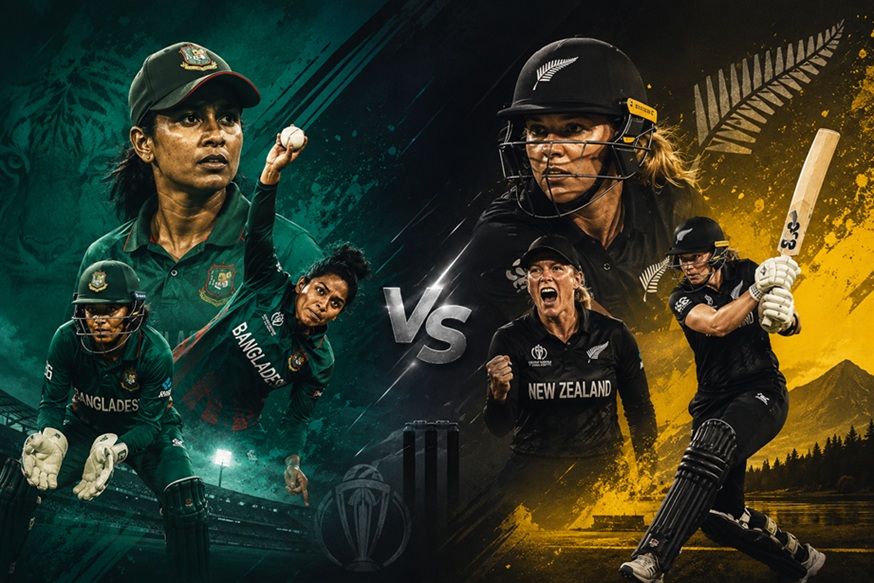

The popularity of women’s cricket is escalating swiftly worldwide, and the matchups between the New Zealand Women’s team and the Bangladesh Women’s team have begun to garner significant interest from both fans and analysts. Their latest match showcased an intriguing blend of disciplined bowling, clever captaincy, strategic batting, and key moments where the pressure transformed the game’s dynamic entirely.
This match was more than just a contest of runs and wickets. It evolved into a narrative about poise, experience, flexibility, and execution amid tournament challenges. New Zealand came into this match with a more favorable historical standing, while Bangladesh sought to achieve a notable upset against one of the most seasoned teams in women’s global cricket.
Eventually, the match swung predominantly towards New Zealand, but various intervals throughout the game imparted crucial tactical insights for both teams. From the struggle during the powerplay to partnerships in the middle overs and the effectiveness of spin bowling, every phase of the match significantly influenced the outcome.
Match Overview
The encounter occurred within the context of the ICC Women’s Cricket World Cup and featured two sides with vastly different tactics. New Zealand emphasized patience, strike rotation, and experienced finishing, while Bangladesh depended significantly on spin pressure and cautious batting techniques.
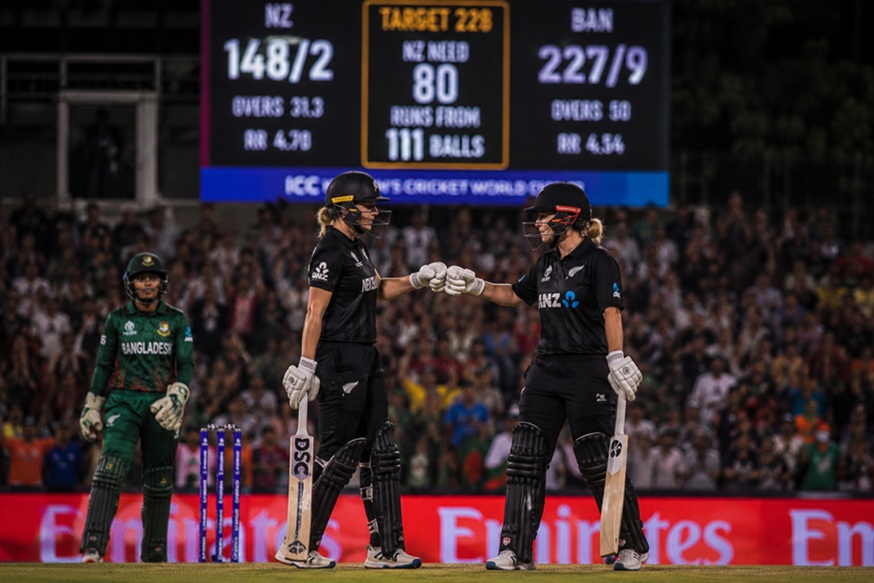
New Zealand Women scored 227/9 before bowling out Bangladesh for 127, achieving a convincing 100-run victory.
Though the final score appeared lopsided, the initial phases of the game were considerably more competitive than the final result indicates.
Match Summary
- New Zealand Women: 227/9
- Bangladesh Women: 127 all out
- Result: New Zealand Women won by 100 runs
- Venue: Barsapara Cricket Stadium, Guwahati
- Player of the Match: Brooke Halliday
New Zealand’s Batting Recovery Changed Everything
The early overs placed considerable pressure on New Zealand. The bowlers from Bangladesh maintained consistent lines, forced errors, and restricted boundaries during the powerplay phase.
For a short while, it seemed as though Bangladesh could limit New Zealand to under 180 runs. However, the match turned around when Sophie Devine and Brooke Halliday steadied the innings with their composed batting.
Instead of opting for high-risk shots right away, both players concentrated on:
- Regularly rotating the strike
- Aggressively taking singles
- Focusing only on loose balls
- Conserving wickets for the closing overs
This composed strategy frustrated the Bangladesh bowlers.
Brooke Halliday’s Match-Winning Knock
Brooke Halliday delivered one of the most crucial innings of the match. Her capability to handle early pressure and later accelerate the scoring proved to be the difference between an average total and one that could win the game.
Halliday refrained from unwarranted risks against spinners and patiently waited for scoring chances. Once Bangladesh lost control towards the latter overs, she efficiently raised the run rate.
Her innings reflected a fine understanding of match conditions and a disciplined tactical approach.
Sophie Devine’s Leadership Under Pressure
Once again, Sophie Devine showcased why she is regarded as one of the most essential all-rounders in women’s cricket.
Her partnership with Halliday completely altered the game’s momentum. Devine’s calm demeanor alleviated pressure on the middle order, and her experience was instrumental in helping New Zealand recover from early challenges.
She also adapted remarkably well to the sluggish pitch by minimizing risky aerial shots and prioritizing placement over sheer power.
Bangladesh Started Well With The Ball
Even though Bangladesh faced a significant loss, they actually implemented their bowling strategies effectively during the initial part of the innings.
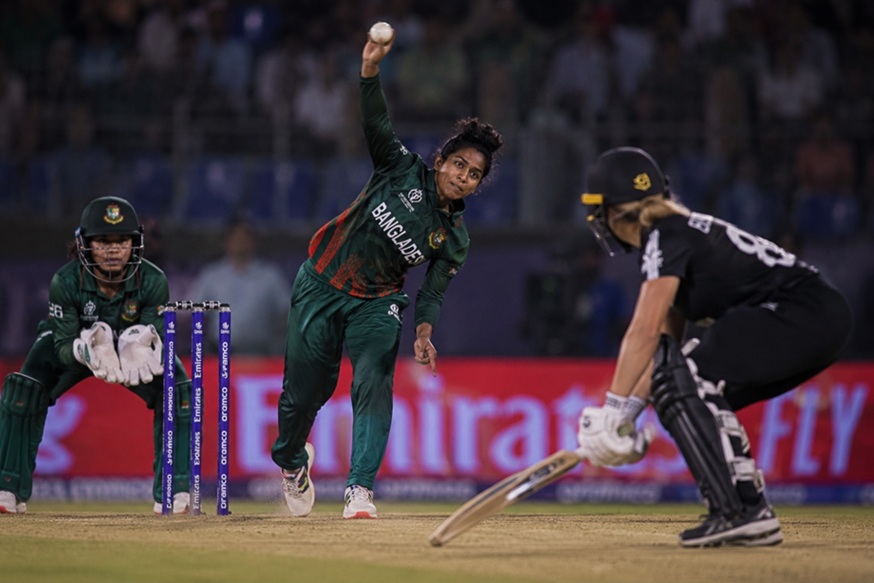
The spinners effectively regulated the scoring and applied pressure by delivering numerous dot balls. Rabeya Khan stood out with her disciplined bowling style and clever variations.
The bowling team from Bangladesh achieved:
- Reducing the run rate
- Compelling New Zealand’s batsmen to play defensively
- Creating pressure on the scoreboard
- Utilizing spin-friendly conditions wisely
For almost thirty overs, the match remained evenly matched.
Where Bangladesh Lost Control
The critical issue surfaced during the death overs.
Once the partnership between Devine and Halliday became established, Bangladesh found it difficult to deliver yorkers and set up effective defensive fields. New Zealand exploited this by continuously finding boundaries in the later stages.
The last ten overs contributed significant runs that altered the mental dynamics of the chase.
Instead of pursuing a total near 180 or 190, Bangladesh suddenly had to aim for a figure exceeding 225, which significantly escalated the pressure on the scoreboard.
Bangladesh’s Batting Collapse Explained
The pursuit never developed any rhythm.
The top-order batsmen from Bangladesh faced difficulties against the swinging ball and seemed unsure about rotating the strike. The bowlers from New Zealand consistently targeted the stumps with aggressive lengths.
Early dismissals immediately forced Bangladesh into a survival mindset rather than a more controlled chasing approach.
Powerplay Pressure Became Decisive
A major factor contributing to Bangladesh’s defeat was their lack of assertiveness during the powerplay.
The batting approach turned excessively cautious. While it’s reasonable to exercise caution against skilled seamers, the failure to hit boundaries enabled New Zealand to assert dominance over field placements.
Bangladesh was unable to:
- Establish meaningful partnerships
- Rotate the strike effectively
- Counter swing bowling
- Alleviate pressure through attacking shots
This led to a situation where incoming batsmen faced increasing pressure on the scoreboard.
New Zealand’s Seamers Were Outstanding
Jess Kerr and Lea Tahuhu displayed remarkable discipline while bowling.
Both bowlers targeted the stumps, created movement, and compelled Bangladesh’s batsmen into uncomfortable defensive positions.
Instead of delivering short or wide balls, New Zealand concentrated on:
- Full, attacking lengths
- Consistent channels outside off-stump
- Seam movement
- Applying pressure with dot balls
This approach was highly effective on a pitch that provided movement.
Lea Tahuhu’s bowling spell particularly undermined Bangladesh’s lower-middle order, extinguishing any hopes for a comeback.
Spin Played A Major Role Again
Contemporary women’s cricket increasingly favors skillful spin bowling, and this match exemplified that reality perfectly.
Tournament statistics indicated that spinners were the leading wicket-takers at this location.
Bangladesh attempted to employ spin as their chief weapon, but New Zealand adapted more successfully to the conditions.

Why New Zealand Handled Spin Better
The New Zealand batsmen demonstrated superior footwork and more effective shot selection.
Instead of aggressively seeking boundaries right away, they prioritized:
- Executing sweeps successfully
- Rotating the strike
- Employing soft hands
- Waiting for favorable deliveries
Conversely, Bangladesh’s batsmen found themselves caught between playing defensively and attacking.
This indecision allowed New Zealand’s bowlers to maintain control over the match’s tempo.
Captaincy Comparison
Captaincy emerged as another significant aspect differentiating the two teams.
Sophie Devine’s Tactical Awareness
Devine navigated the innings astutely, both as a batsman and captain.
Her bowling changes occurred at opportune moments, and she kept attacking field placements, even when Bangladesh adopted a defensive stance.
She realized that Bangladesh did not have the momentum and continued to push instead of playing defensively.
Nigar Sultana’s Challenging Task
Bangladesh’s captain Nigar Sultana encountered a tough challenge when the partnerships could not be established.
Her team bowled fairly well for much of the innings, but the batting group did not support their efforts.
She later recognized that Bangladesh needed to exhibit more consistency and a proactive mindset while batting.
Crucial Turning Points Of The Game
Numerous significant moments altered the course of the match entirely.
1. Initial New Zealand Collapse Did Not Persist
Bangladesh had chances to take control after quick wickets but struggled to break the Halliday-Devine partnership swiftly.
2. The 112-Run Union
This partnership changed the innings significantly and restored New Zealand’s confidence.
3. Late Overs Surge
New Zealand accumulated important runs at the end, creating considerable pressure on the scoreboard.
4. Bangladesh’s Cautious Beginning
The chase became exceedingly challenging after a slow start during the powerplay.
5. Pressure from Fast Bowlers
New Zealand’s seamers never allowed Bangladesh to find their rhythm.
Remarkable Individual Contributions
Brooke Halliday
Halliday exhibited a blend of patience and smart acceleration. Her innings showcased one of the most comprehensive batting displays of the match.
Sophie Devine
Devine played a crucial role with her leadership, strategic insight, and essential runs during the phase of rebuilding.
Jess Kerr
Her efficient bowling hindered Bangladesh’s ability to recover following early dismissals.
Lea Tahuhu
Tahuhu’s forceful bowling dismantled the lower order and guaranteed that New Zealand preserved complete control.
Rabeya Khan
Even in defeat, Rabeya displayed notable control and remained Bangladesh’s most threatening spin bowler.
What Bangladesh Needs to Enhance
Bangladesh continues to demonstrate potential in women’s cricket, yet encounters with elite teams expose persistent challenges.
Batting Mindset
The squad frequently becomes overly cautious when pursuing challenging scores.
Contemporary ODI cricket demands a blend of calculated boldness, even in tough situations.
Middle-Order Consistency
Bangladesh requires more robust collaborations during the middle overs. Regular breakdowns hinder their ability to gain traction.
Final Overs Performance
Improvements are necessary in both batting and bowling during the concluding overs.
Reasons New Zealand Appeared as a Cohesive Team
New Zealand’s display emphasized the significance of experience in competitive tournaments.
Even after losing early wickets, the players maintained their composure and relied on their strategies. That confidence is rooted in years of international participation.
Their overall cohesiveness was also evidently prominent.
Main Strengths Exhibited by New Zealand
- Veteran middle order
- High-quality seam bowling unit
- Intelligent spin management
- Composed leadership
- Tactical adaptability
These attributes render New Zealand a formidable force in major ICC competitions.
Psychological Fortitude Made an Impact
A less recognized aspect of this match was mental steadiness.
Bangladesh’s confidence waned as wickets fell. Conversely, New Zealand maintained their calm during challenging moments.
This difference was evident in:
- Selection of shots
- Running between wickets
- Bowling consistency
- Fielding intensity
- Player communication
Tournament cricket often favors teams that retain psychological strength under strain, and New Zealand exemplified this perfectly.
Audience and Match Atmosphere
The vibe in Guwahati heightened the thrill of the match.
Spectators experienced a tactical showdown instead of merely a power-hitting exhibition, and cricket enthusiasts admired the skillful bowling displays from both teams.
The slow pitch also fostered conventional ODI cricket conditions where patience outweighed impulsive aggression.
This equilibrium between batting and bowling rendered the match strategically captivating.
Implications of This Outcome Moving Forward
For New Zealand, the win significantly boosted confidence after previous inconsistent displays.
The team demonstrated its ability to bounce back from tough scenarios and still outshine adversaries through experience and tactical insight.
For Bangladesh, the loss underscored the existing disparity between developing teams and established cricketing nations.
Nevertheless, there were encouraging signs:
- Competitive bowling periods
- Enhanced fielding commitment
- Improved spin execution
- Resilient attitude under pressure
If Bangladesh can fortify their batting strategy, they possess the potential to consistently contend with stronger opponents in the future.
Conclusion
This match ultimately served as a lesson in experience, patience, and managing pressure. New Zealand Women adjusted to conditions effectively, formed partnerships wisely, and executed their bowling strategies with precision.
Bangladesh Women exhibited moments of promise, particularly with their bowling, yet their batting lineup struggled to meet the strategic requirements of the chase.
The encounter reinforced a vital truth in international women’s cricket: managing pressure periods often proves more significant than brief moments of aggression.
New Zealand expertly navigated those critical phases and rightfully earned their comprehensive win.