


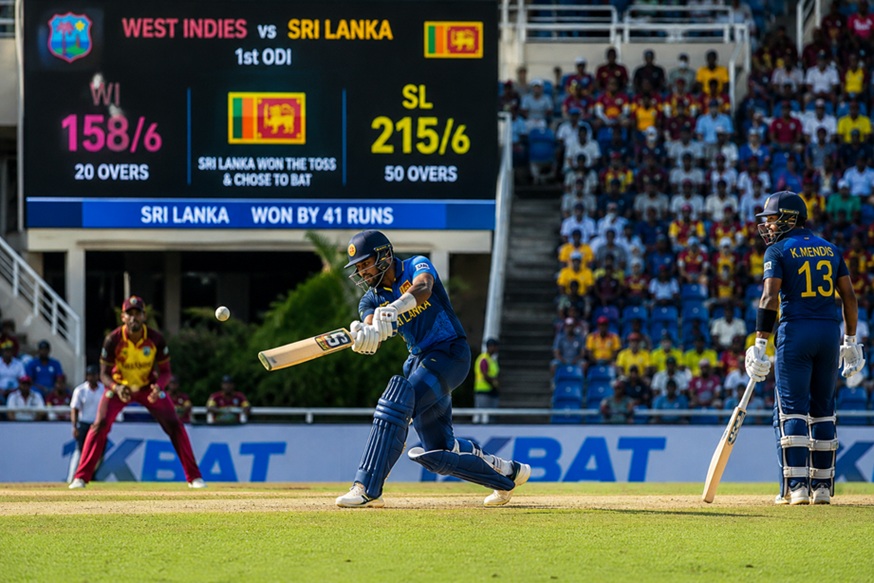
Cricket enthusiasts enjoyed an exhilarating clash as Sri Lanka and the West Indies faced off in the first ODI of the 2026 series. The encounter showcased impressive batting showcases, disciplined bowling efforts, and numerous pivotal moments that captivated fans all day long.
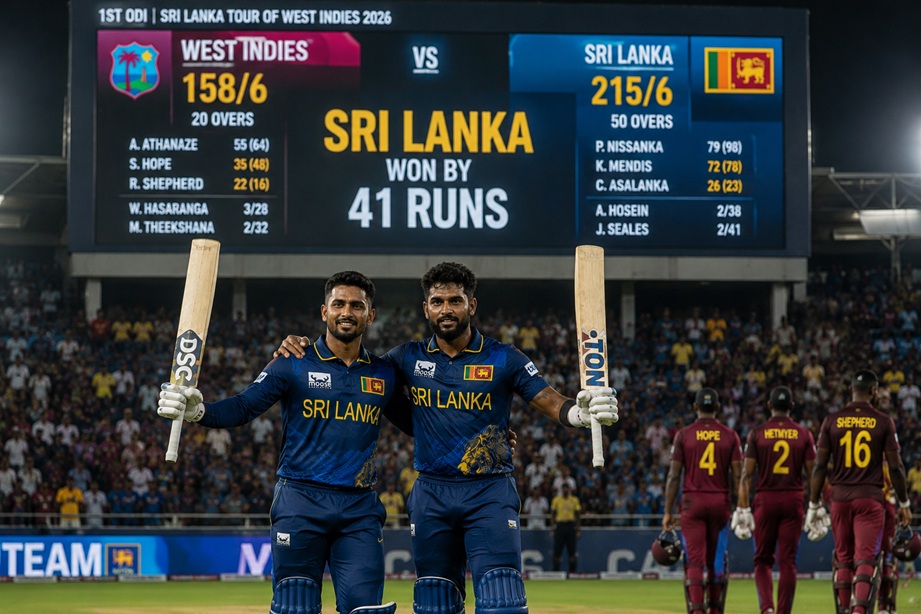
The scorecard of the West Indies versus Sri Lanka narrates a contest in which Sri Lanka displayed poise when it mattered most and recorded a vital win in the series opener. Through the consistent partnership between Pathum Nissanka and Kusal Mendis and the West Indies’ batting attempts during the chase, the match produced many unforgettable highlights. In the end, Sri Lanka emerged victorious with a 41-run margin, taking a 1-0 advantage in the ODI series.
Match Overview
The inaugural ODI occurred at Sabina Park located in Kingston, Jamaica, a venue famed for hosting competitive cricket matches. Both teams entered the series with significant goals. Sri Lanka sought to enhance their ODI performance consistency, while the West Indies aimed to leverage home-field advantage to improve their standing ahead of upcoming international contests.
Sri Lanka’s batting squad established the groundwork for their win by achieving a challenging score. The visiting team exercised patience during the middle overs and accelerated their scoring when opportunities arose.
Key Match Facts
- Venue: Sabina Park, Kingston, Jamaica
- Format: One Day International
- Series: Sri Lanka Tour of West Indies 2026
- Result: Sri Lanka won by 41 runs
- Series Status: Sri Lanka leads 1-0
Interpreting the West Indies vs Sri Lanka Scorecard
A scorecard often conveys more than just the final score. It illustrates partnerships, personal achievements, bowling efficiency, and shifts in momentum that played a role in the match result.
In this match, the batting depth of Sri Lanka proved advantageous. Their top batters withstood early pressure before raising the scoring rate during vital moments. The scorecard also demonstrates how the bowling lineup kept control when the West Indies tried to gain momentum in their chase.
The statistics emphasize why Sri Lanka managed to lead for the majority of the match and successfully defended their score.
Sri Lanka’s Solid Batting Base
One of the key elements of the game was the contribution from Sri Lanka’s top-order batsmen. The visitors sidestepped an early downfall and created a foundation that enabled the middle order to play freely.
Pathum Nissanka Drives the Innings
Pathum Nissanka played an innings filled with composure, showcasing patience, appropriate shot selection, and awareness of the match dynamics. His contribution of 79 runs was central to Sri Lanka’s batting success and provided much-needed stability throughout the innings.
Several factors made his innings impactful:
- Effective strike rotation
- Sharp judgment outside off-stump
- Timely scoring through boundaries
- Capacity to forge partnerships
Instead of pursuing high-risk shots, Nissanka concentrated on building the innings in a steady manner. His strategy enabled Sri Lanka to maintain a healthy run rate while avoiding unnecessary wicket losses.
Kusal Mendis Adds Leadership
Captain Kusal Mendis perfectly complemented Nissanka with a crafty innings of 72 runs. His batting displayed aggressive stroke play along with smart running between the wickets.
As the leader, Mendis recognized how crucial it was to establish the right atmosphere. His bold yet measured batting style enabled Sri Lanka to transition from a phase of stabilization to one of increased speed.
The collaboration between Nissanka and Mendis emerged as a pivotal element of the match. Their partnership frustrated the bowlers from the West Indies and laid down a robust base for a total that ultimately turned out to be victorious.
Middle Overs That Turned the Match
In contemporary one-day international cricket, outcomes are frequently influenced during the middle overs. Teams that sustain their momentum between the 11th and 40th overs often secure a competitive edge.
Sri Lanka excelled in navigating this segment of the game.
Effective Strike Rotation
Rather than depending only on boundaries, Sri Lankan batsmen gathered runs through singles and twos. This tactic ensured the scoreboard remained active and placed ongoing pressure on the fielding team.
The importance of continuous strike rotation is often overlooked, yet it significantly contributed to Sri Lanka’s achievements.
Minimizing Dot Balls
Another advantageous element of Sri Lanka’s innings was their focus on reducing dot balls. By ensuring the scoreboard kept progressing, they compelled West Indies to frequently modify their field placements.
This strategy opened up scoring chances later in the innings and played a vital part in reaching the final score.
West Indies Bowling Display
Despite Sri Lanka setting a solid total, there were moments when the bowlers from the West Indies demonstrated commendable discipline.
Initial Control
The bowlers with the new ball succeeded in limiting run-scoring opportunities in the initial overs. Their disciplined line and length prevented Sri Lanka from launching an aggressive onset.
However, their failure to break the key partnership between Nissanka and Mendis ultimately allowed Sri Lanka to seize the upper hand.
Middle-Overs Conundrum
As soon as the Sri Lankan batsmen found their rhythm, the West Indies struggled to apply consistent pressure. The visiting team capitalized on loose deliveries, progressively shifting the momentum into their favor.
This segment underscored the significance of claiming wickets during ODI matches. Even economical bowling spells can diminish in value if partnerships flourish.
The Chase Commences
The chase posed a significant challenge for the West Indies batting order. Competing at home often brings certain expectations, and the hosts recognized that a successful chase would provide them with an early edge in the series.
The target necessitated a well-rounded strategy.
Batsmen needed to score consistently while also conserving wickets for the later parts of the innings.
Aggressive Intent at the Outset
The West Indies showed an intent to attack right from the start of the chase. The opening batsmen appeared eager to apply pressure on the Sri Lankan bowlers and lower the run rate.
For a short time, the chase seemed fairly balanced.
Nonetheless, one-day cricket often hinges on a select few critical moments, and Sri Lanka succeeded in capitalizing on such instances.
Sri Lanka’s Bowling Mastery
While the batting lineup established the groundwork, it was ultimately the bowlers from Sri Lanka who clinched the victory.
Sustained Pressure
Throughout the innings, the bowlers maintained strict lines and lengths. Rather than seeking wickets through excessive aggression, they concentrated on applying pressure instead.
This strategy led to mistakes from the West Indian batsmen.
Crucial Breakthroughs
Each time the West Indies seemed poised to initiate a comeback, the Sri Lankan team managed to secure a crucial wicket.
These dismissals interrupted their partnerships and hindered the home side from building any consistent momentum.
The bowling attack exhibited:
- Sharp strategic insight
- Skillful field arrangements
- Well-controlled variations
- Outstanding cooperation
Their united effort significantly contributed to the successful defense of the total.

Major Turning Points
The final result was influenced by several pivotal instances.
Nissanka-Mendis Collaboration
The alliance between Pathum Nissanka and Kusal Mendis offered Sri Lanka essential stability and assurance. Without this connection, the innings might have unfolded quite differently.
Effective Middle Overs
Sri Lanka’s capacity to sustain scoring during the mid-phase thwarted the West Indies from taking charge.
Intensifying Pressure During the Chase
As the wickets began to tumble, the required run rate steadily rose. The bowlers from Sri Lanka took full advantage of this mounting pressure.
Late-Innings Control
The visiting team kept their cool during the crucial moments of the game, avoiding any major errors, which ensured that the West Indies were never in a position to make a noteworthy comeback.
What the Result Means for Sri Lanka
The triumph in the first ODI boosts Sri Lanka’s confidence as they prepare for the subsequent matches in the series.
The win highlighted multiple positive aspects:
- Sturdiness at the top of the order
- Competent leadership
- Effective bowling strategies
- Capability to cope with tense situations
Most importantly, various players made significant contributions, which lessened the dependence on any single standout performer.
This balanced overall effort is often a hallmark of successful ODI teams.
What West Indies Can Learn
Even in defeat, West Indies can identify some positive takeaways from the contest.
Areas for Improvement
The home team might concentrate on:
- Creating longer batting collaborations
- Transforming good starts into substantial innings
- Securing wickets during pivotal partnerships
- Sustaining pressure throughout the middle overs
Encouraging Signs
Many players exhibited resilience and a competitive spirit. The current task is to turn strong performances into match-winning outcomes.
With seasoned players rejoining the ODI squad, West Indies still have the talent necessary to make a strong recovery in the upcoming matches.
Series Implications
The ODI series holds importance that extends beyond just the immediate outcomes. Both sides aim to solidify their standings ahead of imminent ICC tournaments and retain their momentum in the 50-over format.
A win in the first game grants Sri Lanka both freedom and self-assurance.
For West Indies, the second ODI represents a chance to even the series and regain their stride before the contest slips away.
Cricket enthusiasts can thus anticipate a thrilling competition in the forthcoming encounters.
Standout Performers
Several players made significant impacts.
Pathum Nissanka
His innings of 79 runs offered stability and set a foundation for Sri Lanka’s total.
Kusal Mendis
The captain’s 72 runs combined effective leadership with a bold approach.
Sri Lankan Bowling Unit
The bowlers executed their strategies well and defended the target with discipline.
Resilient West Indies Players
Despite falling short, the hosts’ determination kept the match competitive for an extended period.
Conclusion
The scorecard from the West Indies vs Sri Lanka match illustrates a clash influenced by smart batting, disciplined bowling, and sound decision-making under pressure. Sri Lanka’s victory stemmed from collective effort rather than just individual excellence, which is often a trait of a well-rounded ODI team.
Pathum Nissanka and Kusal Mendis laid the groundwork with their crucial innings, while the bowling unit finished the task by containing the West Indies’ chase. Sri Lanka’s 41-run win provides them with a critical edge in the series and enhances their confidence ahead of the remaining fights.
For the West Indies, the loss brings lessons, but also prospects. With home conditions, experienced players, and an ardent fan base, they are still well-equipped to respond vigorously. As the series progresses, fans can look forward to more exciting cricket from these two skilled international sides.
The scorecard from the initial ODI between West Indies and Sri Lanka will be noted as the game where Sri Lanka implemented their strategies more effectively, capitalized on key moments, and secured a well-deserved victory to take an early lead in the series.