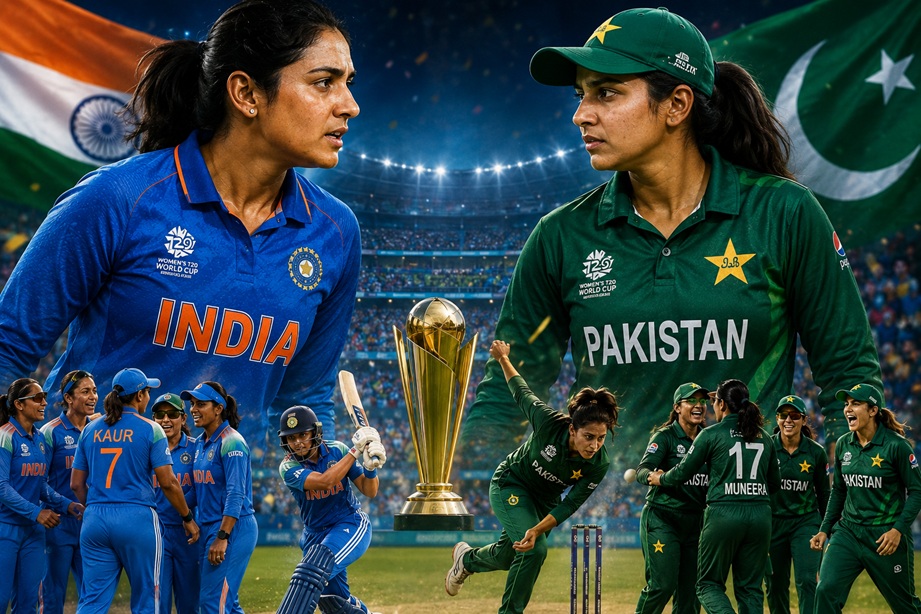

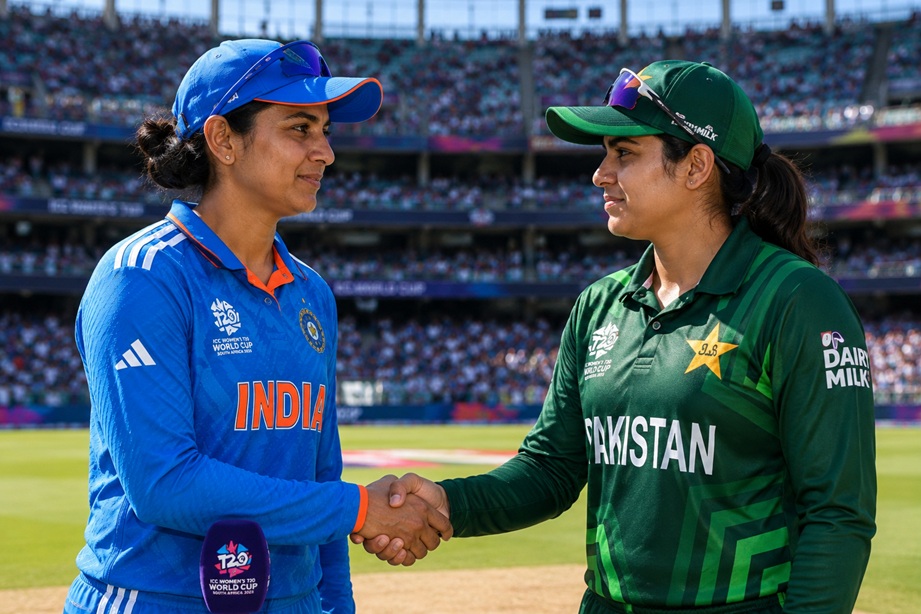
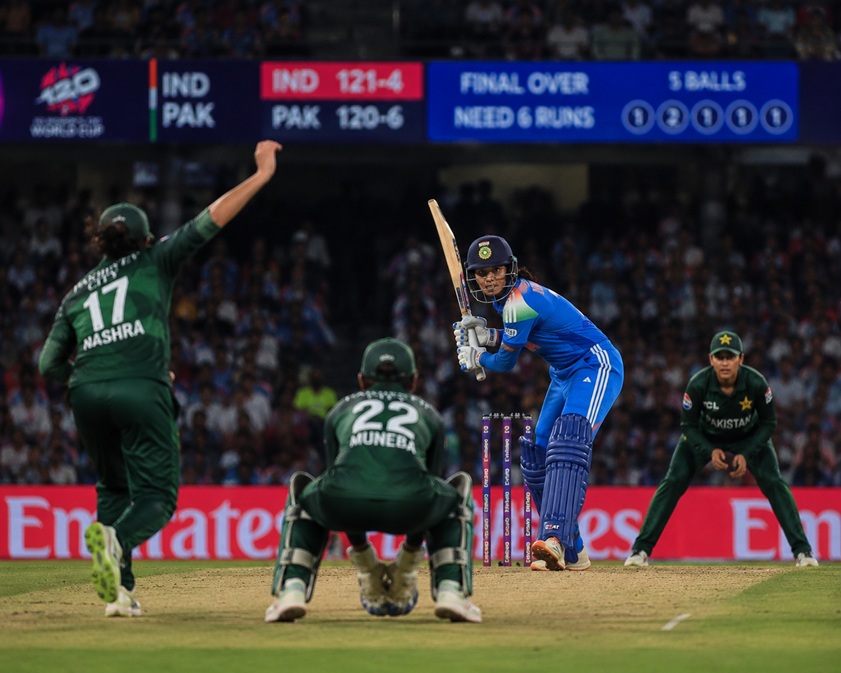
The competition between India and Pakistan consistently garners worldwide interest, with the recent match in the ICC Women’s T20 World Cup 2026 being no different. Supporters from both countries attentively followed each delivery, wicket, and boundary, as two enthusiastic teams took the field, eager to make a powerful impression in the tournament.
This edition of the Women’s T20 World Cup has already sparked considerable enthusiasm, as England and Wales host the largest event in the tournament’s history. The India-Pakistan clash at Edgbaston was one of the most eagerly awaited matches during the group stage.
In this comprehensive report, we analyze the key events, player performances, strategic choices, and the tournament’s broader implications arising from this thrilling matchup.

The Significance of the Rivalry
Few sports rivalries evoke the same emotional fervor as the India and Pakistan contest. Although men’s matches frequently attract the most attention, women’s cricket has increasingly developed its own captivating storyline over the years.
Each encounter between these two sides comes with immense expectations due to the following reasons:
- Millions of fans watch from across the globe.
- Points in the tournament are incredibly coveted.
- Players face high levels of pressure and scrutiny.
- Individual performances often become pivotal moments in their careers.
The most recent matchup contributed yet another chapter to this captivating rivalry, demonstrating the advancements women’s cricket has made on the world stage.
Tournament Context Before the Match
The Women’s T20 World Cup 2026 kicked off with broadened participation and heightened competitiveness. Twelve teams are battling it out across several locations, making the path to the knockout rounds more difficult than before.
India came into the tournament with confidence from recent international successes and heightened expectations following significant milestones in women’s cricket. Meanwhile, Pakistan entered determined to demonstrate their capability to compete with the strongest teams on the global scene.
With both teams vying for an early lead in the group standings, this match held significance beyond mere bragging rights.
India Women Pakistan Updates: Build-Up to the Match
The anticipation for the game started days ahead of the actual match.
Players from India received motivational messages from various well-known male cricket players, emphasizing the importance of playing fearlessly and having confidence in their skills. These messages highlighted the significance of the clash within the Indian cricket community.
Media coverage concentrated on:
- Anticipated team formations.
- Pitch characteristics at Edgbaston.
- Predicted weather conditions.
- Key player matchups.
- Historical records of head-to-head encounters.
Analysts discussed whether India’s seasoned batting lineup would prevail or if Pakistan’s bowling unit could spring a surprise.
Venue and Conditions
Edgbaston served as the venue for this significant matchup. Known for its rich history in cricket, it also has a reputation for delivering exciting T20 encounters.
Pre-game discussions indicated that the conditions could favor batters while still providing chances for disciplined bowlers. Teams had to strike a balance between aggression and patience, particularly during the early overs.
Weather conditions were another significant topic of discussion leading up to the event, with teams bracing for the variable weather typical of the English summer.
Team Strategies and Selection Decisions
Both teams meticulously contemplated their lineups before confirming their playing elevens.
India’s Approach
India aimed to establish a harmonious mix of seasoned veterans and vibrant young talent. The squad depended on:
- Strong opening partnerships.
- Reliable middle-order performance.
- Adaptable bowling choices.
- High standards in fielding.
The team’s management acknowledged that an aggressive start could put immediate strain on Pakistan.
Pakistan’s Strategy
Pakistan approached the match with a focus on discipline and reliability.
Their key aims included:
- Limiting boundary scoring.
- Taking wickets in the initial overs.
- Creating partnerships while batting.
- Applying pressure through strategic field placements.
The coaching team stressed the importance of execution over feelings despite the significance of the match.
Highlighted Players
Every significant clash between India and Pakistan generates individual narratives, and this game showcased several players who could potentially alter the game’s trajectory.
Smriti Mandhana
One of the leading batters for India, Mandhana entered the tournament under the pressure of delivering high-impact performances. Her capacity to score rapidly against various types of bowling makes her an essential part of the batting lineup.
Harmanpreet Kaur
The captain of India remains a pivotal emotional and strategic figure. Her vast experience during high-pressure moments is particularly crucial in critical matches.
Shafali Verma
Recognized for her bold batting style, Verma has the knack for changing the flow of the game in just a few overs. Opponents are acutely aware of the necessity to dismiss her early.
Core Performers for Pakistan
Pakistan placed significant reliance on seasoned athletes capable of performing under pressure. Their success is frequently contingent on bowlers making early breakthroughs and senior batters either guiding the chase or setting a robust target.
India Women Pakistan Updates: The Initial Stage
The initial six overs often set the stage for a T20 match.
Both sides recognized the importance of the powerplay, where fielding restrictions create scoring chances but also enhance the likelihood of taking wickets.
The early dynamics can significantly influence captaincy tactics, bowling changes, and batting strategies for the remainder of the innings.
The first exchanges highlighted the expected intensity of a World Cup matchup, with players exhibiting sharp focus and competitive spirit right from the beginning.
Performance Evaluation in Batting
Contemporary T20 cricket necessitates a blend of strategic aggression and savvy shot selection.
Powerplay Influence
The batting side sought to leverage field limitations while minimizing risks.
Key elements included:
- Rotation of strike.
- Proportion of boundaries.
- Conservation of wickets.
- Exploitation of match-ups.
Teams that adeptly manage the initial overs often secure a substantial advantage in later stages of the innings.
Management of Middle Overs
The middle phase is often crucial in determining whether a team achieves a score above par.
Successful teams concentrate on:
- Sustaining run rate momentum.
- Reducing pressure from dot balls.
- Creating partnerships.
- Targeting favorable bowling scenarios.
This phase calls for composure and tactical insight rather than impulsive aggression.
Execution in Final Overs
The concluding overs signify the most intense segment of a T20 innings.
Batters aim to:
- Consistently clear the boundaries.
- Capitalize on yorker mistakes.
- Transform singles into boundaries.
- Conclude strongly.
An effective finish can significantly shift the match dynamics.
Bowling Strategies and Match-Ups
Bowling remains a cornerstone of successful T20 strategies.
Responsibilities of Fast Bowlers
Pace bowlers encounter numerous challenges:
- Swing with the new ball.
- Control during the middle overs.
- Precision in the death overs.
Effective fast bowlers vary their delivery speeds, lengths, and lines while maintaining an element of surprise.
Importance of Spin Bowling
Spinners continue to hold a vital position in women’s T20 cricket.
Their aims comprise:
- Disrupting alliances.
- Building dot-ball tension.
- Encouraging adventurous shots.
- Managing scoring zones.
The potency of spin typically influences changes in momentum throughout the middle overs.
Fielding Quality and Critical Turning Points
Fielding often distinguishes victorious teams from those that fall short.
Recent advancements in women’s cricket have seen significant progress in:
- Physical fitness.
- Catch effectiveness.
- Fielding on the ground.
- Precision in throws.
An exceptional catch, direct hit, or saving a boundary can drastically alter the course of a match.
In tense situations, errors in fielding become increasingly detrimental as chances are scarce.
Leadership Under Pressure
Captains bear immense responsibilities during India-Pakistan matches.
Every choice is closely examined, including:
- Decisions on the toss.
- Alterations in bowling.
- Arrangements in the field.
- Advancements in batting order.
Harmanpreet’s Influence
The captain of India has consistently shown her capability to motivate her teammates in significant tournaments.
Her leadership approach blends assertiveness with strategic adaptability, traits that are especially advantageous in high-pressure elimination formats.
Pakistan’s Tactical Decisions
The leadership team of Pakistan concentrated on staying composed and following through with their plans, even amidst the charged environment of the match.
India Women Pakistan Updates: Turning Points That Shaped the Contest
Every unforgettable cricket game features incidents that shift the flow of the match.
Potential pivotal moments frequently involve:
- Early dismissals.
- Opportunities missed in catching.
- Tactical changes in bowling.
- Partnerships that change momentum.
- Effective reviews.
These occurrences may not seem critical at the time but frequently determine the match’s ultimate result.
Experts often revisit these events when analyzing the reasons behind a match’s progression.
Crowd Atmosphere and Fan Engagement
The rivalry between India and Pakistan transcends the players involved.
Supporters contribute to a distinct ambiance marked by:
- Fervent enthusiasm.
- Vibrant displays.
- Deep emotional involvement.
- Global attention.
Throughout the match, social media was highly engaged as fans responded to every significant event.
The rise of women’s cricket guarantees that such encounters now attract the focus and appreciation they warrant.
Impact on Tournament Standings
Victories in group stages can drastically affect qualification dynamics.
The outcome of this match influences:
- Calculations of net run rate.
- Chances for semi-final advancement.
- Levels of team confidence.
- Future game strategies.
With formidable teams vying throughout the competition, every point is crucial in the pursuit of knockout spots.
Lessons Learned for Both Teams
Significant tournaments offer chances for insight and development.
Areas India Can Build Upon
India will review:
- Partnerships in batting.
- Consistency in bowling.
- Effectiveness in the powerplay.
- Execution in fielding.
The coaching team will seek ways to enhance performances ahead of forthcoming matches.
Areas Pakistan Can Improve
Pakistan’s assessment might focus on:
- Turning initial opportunities into substantial scores.
- Sustaining pressure during crucial periods.
- Minimizing avoidable mistakes.
- Improving finishing capabilities.
Such analysis is vital for ongoing success in the tournament.
The Evolution of Women’s Cricket
One of the most uplifting elements of this match is what it signifies for the larger sport.
Women’s cricket has undergone significant progress due to:
- Increased financial support.
- Enhanced media coverage.
- Professional contracts.
- Wider tournament formats.
- Growth in attendance numbers.
The India-Pakistan rivalry plays a critical part in attracting fresh audiences and motivating future players.
Young athletes watching these matches can now picture flourishing professional careers in cricket.
What Comes Next
The tournament agenda allows minimal time for both celebration and regret.
Both teams need to quickly redirect their focus to upcoming group-stage matches.
Primary goals include:
- Recovery and conditioning.
- Strategic planning.
- Analysis of opponents.
- Sustaining confidence.
In a competition as fierce as the Women’s T20 World Cup, consistency is often more vital than any individual result.
Conclusion
The most recent installment in this storied rivalry provided exactly what cricket enthusiasts anticipated: excitement, pressure, proficiency, and unforgettable moments. The India Women Pakistan Updates regarding this World Cup clash illustrate why this encounter remains one of the major draws in international cricket.
From strategic competitions and remarkable displays to choices made by captains and the enthusiasm of the audience, each element of the event showcased the ongoing ascent of women’s cricket internationally. The game further emphasized the significance of readiness, flexibility, and poise in challenging situations.
As the Women’s T20 World Cup advances, both squads will keep striving towards their goals, yet this match will be remembered as a pivotal narrative of the event. With countless viewers globally, the rivalry highlighted cricket’s exceptional capacity to bring together, thrill, and motivate supporters of all ages.