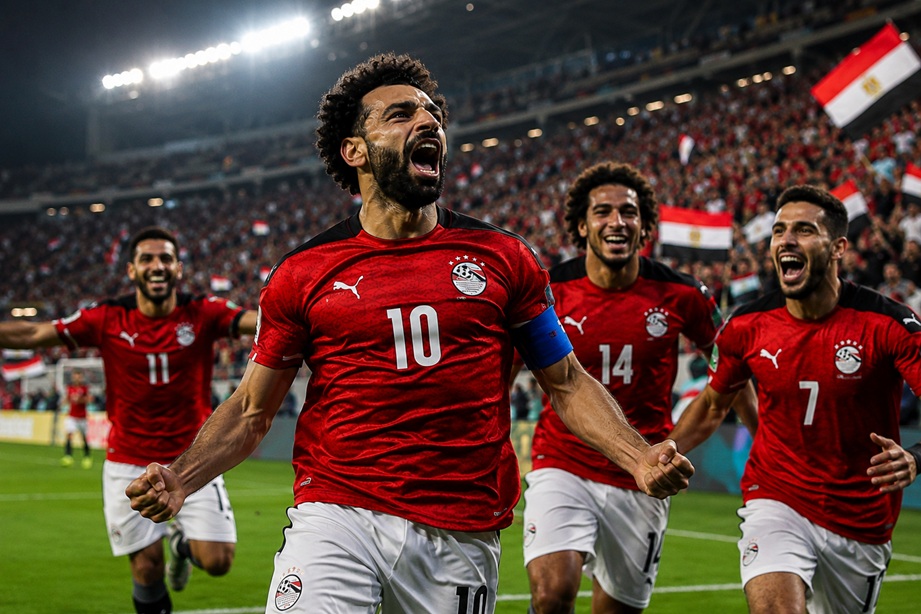

The 2026 FIFA World Cup added another remarkable moment when Egypt triumphed over New Zealand with a score of 3-1 in Vancouver, marking the nation’s first victory in football’s premier event.
This outcome ignited celebrations among Egyptian fans globally and constituted a pivotal moment for a squad that has long awaited a breakthrough on an international level.
For many years, Egypt held the undesirable distinction of participating in the FIFA World Cup without achieving a win. That tale was transformed thanks to a motivated second-half display spearheaded by captain Mohamed Salah.
After finding themselves behind at halftime, the Pharaohs rallied with resilience, skill, and confidence to dramatically reverse the outcome of the match.
This win not only enhanced Egypt’s prospects of advancing from Group G but also gifted fans a memorable experience that will be cherished for years to come.
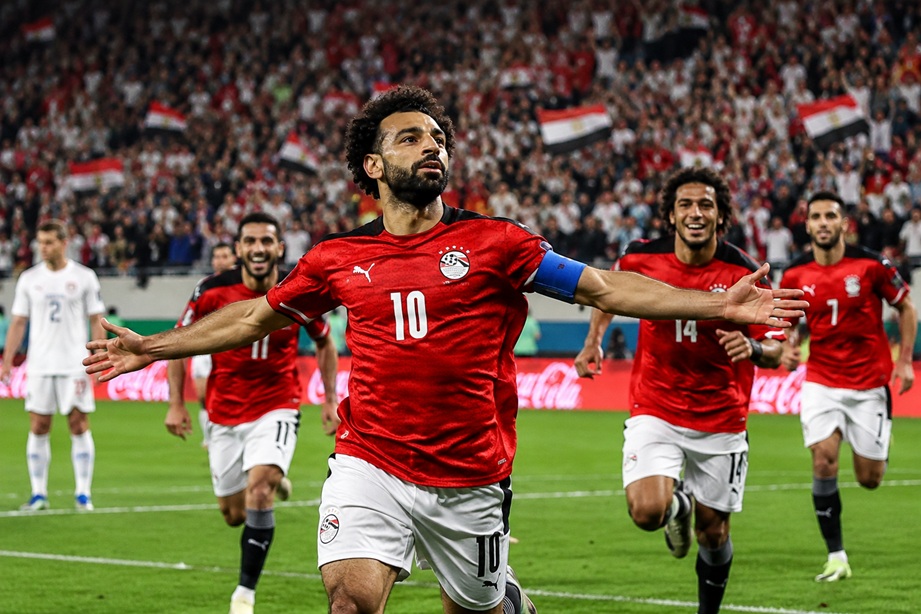
A Night of Significance for Egyptian Football
The importance of this win is immense.
Egypt had made prior appearances at the FIFA World Cup in 1934, 1990, and 2018 before qualifying for the expanded tournament in 2026.
Even with a roster of talented players and achievements in African football, securing a World Cup victory had always been out of reach.
That changed with the final whistle against New Zealand.
This milestone signified:
- Egypt’s inaugural World Cup win
- A significant point in the nation’s football narrative
- A critical result in the pursuit of knockout stage qualification
- An additional notable episode in Mohamed Salah’s international journey
Fans in the stadium erupted in joy, while millions watching from Egypt experienced a moment many believed would never come.
How the Game Unfolded
The match kicked off with New Zealand exhibiting confidence and structure.
The representatives from Oceania recognized the occasion’s significance and initiated the game with vigor.
New Zealand Takes the Lead
New Zealand’s approach relied on physicality and set pieces, which proved effective in the first half.
Defender Finn Surman found an opening in the penalty area and powerfully directed a header past the Egyptian goalkeeper, granting his team a crucial lead.
The goal took Egyptian supporters by surprise.
At halftime, doubts began to circulate regarding whether Egypt would again fall short on such a grand stage.
The team had performed adequately but lacked the sharpness required to penetrate New Zealand’s defensive setup.
Egypt Responds with Determination
Everything shifted after the break.
Egypt emerged from the locker room with a renewed sense of urgency and intensity.
Their passing became swifter, their pressing more forceful, and their attacking efforts more threatening.
The pressure eventually led to an equalizer as Mostafa Zico connected with a cross and directed the ball into the net with a header.
This goal electrified the atmosphere and completely altered the momentum in favor of Egypt.
Suddenly, confidence surged within the Egyptian squad.
Mohamed Salah Shines on the Grand Stage
When Egypt required a spark, their captain rose to the occasion.
Salah has consistently been viewed as one of the top football players globally.
His accomplishments at the club level have garnered international acclaim, but this World Cup provided a chance to enhance his legacy with the national squad.
After assisting in the equalizer, Salah showcased a moment of brilliance.
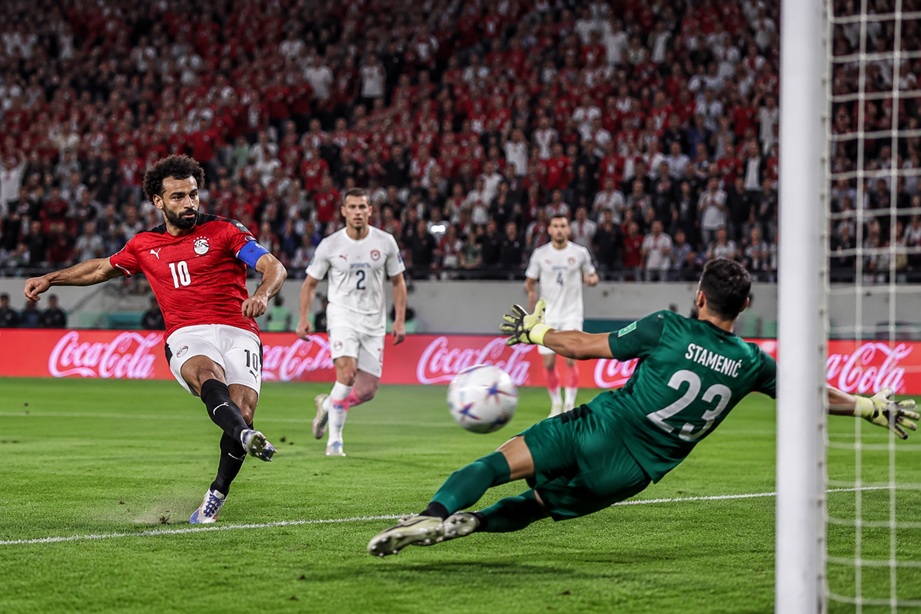
He received the ball within the penalty area after a smart interplay with Mostafa Zico, finishing calmly to give Egypt the lead.
This goal highlighted his poise, strategic thinking, and ability to excel under significant stress.
The celebration represented more than merely gaining the lead.
It embodied years of anticipation, aspiration, and persistence finally culminating in success.
Subsequently, Salah contributed with an assist, sending a threatening ball that enabled Mahmoud Trezeguet to score Egypt’s third goal, effectively securing the win.
A New Chapter in Egypt’s World Cup History
For many years, supporters of Egyptian football have rejoiced over victories in the African Cup of Nations and notable qualifying efforts.
Yet, the World Cup remained an area of unrealized potential.
The country made its debut in the tournament in 1934, becoming the first African and Arab nation to participate in the FIFA World Cup.
However, achieving success on the international level has been challenging.
Numerous generations of players have sought to attain that sought-after first win.
Many were close to achieving it.
Some managed commendable draws.
A few experienced narrow losses.
This latest team has finally broken the barrier.
This achievement is expected to motivate future generations of Egyptian footballers who aspire to represent their nation on the global sports biggest platform.
Tactical Adjustments That Altered the Match
One of the most remarkable elements of Egypt’s performance was their adaptability after the halftime break.
Enhanced Pressing
In the first half, New Zealand had periods of ease with the ball.
Egypt responded by ramping up their pressing intensity.
The forwards began to close down defenders more swiftly, while the midfielders advanced further up the pitch.
This disrupted New Zealand’s flow and induced errors.
Improved Usage of Flank Areas
Egypt also enhanced their offensive width.
The full-backs frequently surged forward, creating more crossing chances and stretching New Zealand’s defensive formation.
The equalizer was partly the result of Egypt effectively utilizing these wider areas.
Midfield Dominance
Emam Ashour and the midfield group played a vital role in controlling the game’s pace.
Their ability to win second balls and regain possession ensured Egypt exerted pressure throughout the second half.
The tactical changes illustrated both maturity and confidence from the players and coaching team.
New Zealand’s Lost Chance
While Egypt naturally garners the attention, New Zealand will reflect on a disappointing match.
The All Whites successfully executed their first-half strategy and entered the break with a well-deserved lead.
Their organization, defensive discipline, and threat from set pieces posed significant challenges.
However, they found it difficult to respond once Egypt leveled the score.
Several factors led to their downfall:
- Loss of momentum after conceding
- Challenges in controlling possession in the midfield
- Defensive fatigue in the closing moments
- Few attacking chances after halftime
This outcome leaves New Zealand facing a challenging road in Group G.
Significance of the Victory for Group G
The result significantly shifted the standings within Group G.
Egypt approached the game following a tie with Belgium, while New Zealand had drawn against Iran.
This win propelled Egypt to the forefront of the group and bolstered their chances of moving onto the knockout phase.
The competition in the group is still fierce, yet Egypt has now taken charge of its fate as it heads into the concluding matches.
Fans who once aspired for respect are now envisioning a noteworthy journey in the tournament.
Football has a remarkable ability to swiftly transform expectations.
The Emotional Response Throughout Egypt
Significant victories in sports often go beyond just the game itself.
This triumph sparked emotional celebrations across Egypt, as fans rejoiced in their homes, cafés, and public venues.
For countless supporters, this win symbolized years of perseverance.
Since their qualification for the event, hopes had been elevated.
Egypt’s initial draw with Belgium showed their competitive spirit, but the win against New Zealand served as concrete evidence that the squad could hold its own and achieve success on the global platform.
Social media buzzed with posts honoring the players, coaches, and fans who had waited years to see this monumental achievement.
Mohamed Salah’s Expanding International Reputation
Few athletes bear the sort of expectations that Salah faces whenever he plays for Egypt.
His accomplishments at the club level are well known, but success on the international stage often shapes a player’s legacy in their country’s sports history.
This particular performance will be remembered for a number of reasons:
- A crucial goal
- A key assist
- Leadership during challenging moments
- Motivation during a significant win
After the match, Salah referred to the outcome as a considerable success and highlighted the significance of the forthcoming challenge for the team.
His impact reached beyond mere numbers.
He set the stage for the turnaround and instilled confidence in his teammates that they could achieve history.
Noteworthy Contributors Aside from Salah
While Salah rightfully garnered considerable attention, many of his teammates also played crucial roles.
Mostafa Zico
His goal to equalize turned the tide of the game and ignited the energy that Egypt urgently needed.
His cooperation with Salah was essential as well.
Mahmoud Trezeguet
Trezeguet’s goal came at a pivotal moment, effectively dashing New Zealand’s chances of recovering.
His positioning in the penalty area was exemplary.
Emam Ashour
Ashour’s presence in the midfield enabled Egypt to maintain dominance in possession during the second half.
His contributions often went unnoticed but were critical.
Future Prospects for Egypt
With spirits high, Egypt now shifts its focus to the next challenge.
The team realizes that a single historic win does not assure advancement, but it lays a solid groundwork.
Aspects that will boost the coaching staff’s confidence include:
- Mental toughness after conceding first
- Smart tactical shifts
- Effective attacking collaborations
- Leadership from veteran players
If Egypt can mirror the quality they exhibited during the latter half against New Zealand, they will prove to be a formidable challenge for any remaining opponent in the tournament.
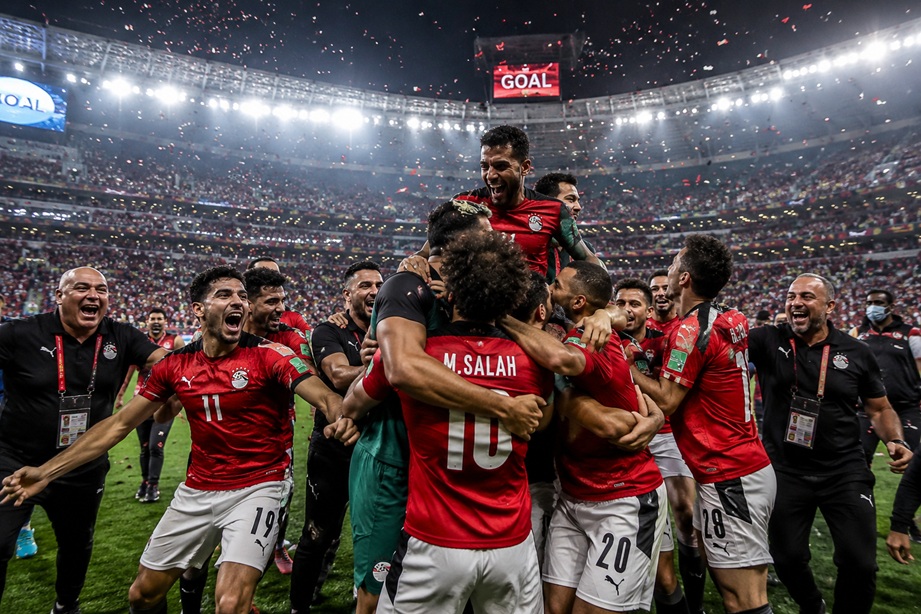
Conclusion
The tale of Egypt’s inaugural triumph in the FIFA World Cup is one that future generations will examine and rejoice over.
For the entirety of ninety minutes, the athletes held the aspirations of countless individuals.
Following a challenging initial half, they demonstrated bravery and skill.
Goals from Mostafa Zico, Mohamed Salah, and Mahmoud Trezeguet finalized an extraordinary comeback and established a place in the annals of Egyptian sports.
This was not merely a victory in the group stages.
It marked the conclusion of a prolonged period of anticipation.
It served as evidence that perseverance can ultimately yield success.
Most significantly, it was an evening when Egyptian football finally accomplished what it had pursued for many generations—a World Cup victory that will eternally be recognized as one of the most remarkable moments in the history of the nation’s sports.