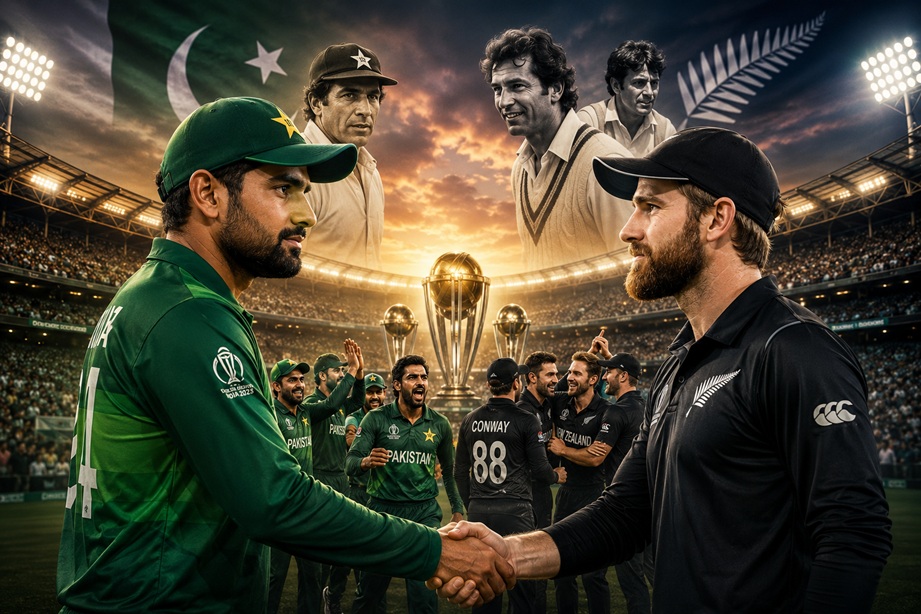

Cricket has fostered numerous notable rivalries, yet few have seen such significant transformation as the contest between Pakistan and New Zealand. What originated as a lopsided Test series in the 1950s has evolved into one of the most fiercely contested rivalries in international cricket, spanning Tests, ODIs, and T20Is.
The timeline of the NZ vs PAK rivalry illustrates shifting generations, legendary players, unforgettable World Cup encounters, and significant changes in supremacy. Pakistan dominated much of the early years with its top-notch pace bowling and iconic batsmen, while New Zealand steadily grew into one of the sport’s most methodical and reliable teams.
From Hanif Mohammad and Imran Khan to Kane Williamson and Babar Azam, almost every generation of cricket has contributed noteworthy moments to this rivalry. Even in contemporary times, matches between these two countries are consistently engaging due to the contrasting playing styles—Pakistan’s tendency for unpredictability juxtaposed with New Zealand’s strategic accuracy.
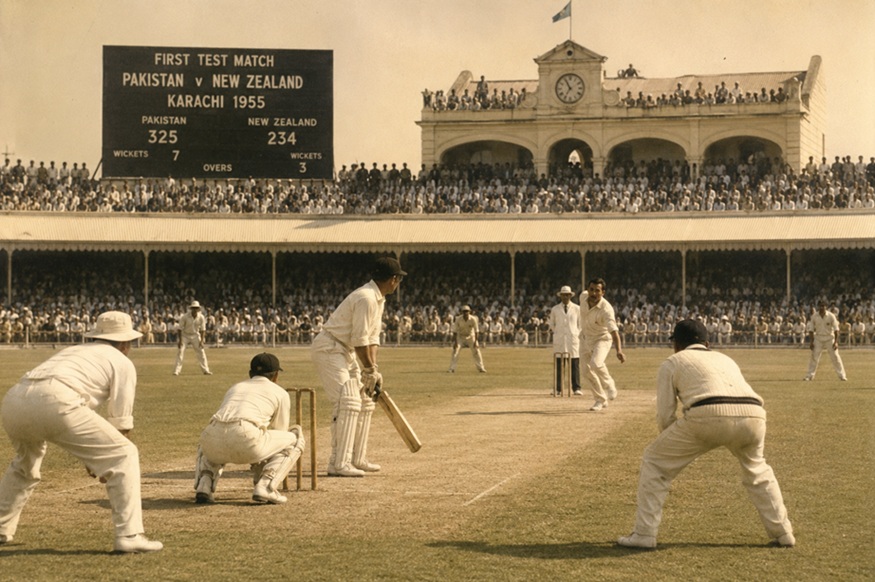
The Beginning of the Rivalry (1955–1969)
The rivalry officially commenced in October 1955 when New Zealand traveled to Pakistan for their inaugural Test series.
Pakistan quickly asserted its dominance by clinching the first Test in Karachi by an innings, showcasing their skills both with bat and ball. This victory also marked Pakistan’s emergence as a potent force in the international cricket arena.
During the late 1950s and 1960s:
- Pakistan excelled in home matches.
- New Zealand continued to improve their performance abroad.
- Games tended to be low-scoring due to uncovered pitches and favorable bowling conditions.
The initial decade set the groundwork for a competitive yet respectful rivalry that would endure through generations.
1970s: The Rivalry Begins to Balance
The 1970s marked a significant enhancement in New Zealand’s performance.
Rather than being simple opponents, the Black Caps began to pose a serious challenge to Pakistan in both home and away matches. Improved fast bowlers and more technically adept batsmen contributed to key victories during tours abroad.
Rise of Competitive Test Cricket
In this time frame:
- New Zealand celebrated significant Test victories.
- Pakistan remained formidable opponents at home.
- Drawn series became more frequent.
Both teams became increasingly adept at navigating foreign conditions, rendering each bilateral series more unpredictable than its predecessors.
1980s: The Golden Era of Superstars
The 1980s propelled the NZ vs PAK rivalry to new heights as both teams showcased some of the finest cricketers in the sport’s history. Pakistan entered the decade fortified by a powerful team centered around elite fast bowling, while New Zealand leaned on discipline, grit, and consistency throughout all facets of play.
Pakistan’s bowling unit emerged as one of the most intimidating in cricket history, with Imran Khan taking a leading role. His dynamic captaincy and capability to sway matches with both bat and ball often made a crucial difference. Accompanying him were talented fast bowlers and reliable batters who rendered Pakistan a challenging opponent under any circumstances.
Conversely, New Zealand drew motivation from Richard Hadlee. His exceptional bowling displays persistently tested Pakistan’s formidable batting lineup, leading to intriguing battles between bat and ball. Each Test series during this decade carried heightened significance, as individual excellence frequently played a decisive role in determining the results.
Memorable Battles of the Decade
Numerous themes characterized the competition throughout the 1980s:
- Fast bowlers played a crucial role in numerous games.
- The advantage of playing at home was crucial for both sides.
- Outstanding individual performances often eclipsed team statistics.
- Test cricket emerged as the focal point of the rivalry.
While Pakistan typically found more success, New Zealand demonstrated their capability to match up against the elite teams whenever the conditions favored their strengths. Their talent for challenging Pakistan in closely contested encounters earned them considerable respect within the cricket community.
The ODI Revolution During the 1990s
The swift evolution of One Day International cricket significantly altered the dynamics of competition between these two teams. Matches with limited overs became increasingly common, and fixtures featuring Pakistan and New Zealand started to appear regularly in key ICC events.
Pakistan entered the new decade brimming with confidence following their victory in the 1992 Cricket World Cup. In contrast, New Zealand had already displayed innovative strategies during that tournament, influencing the way ODI cricket was approached.
The rivalry became more unpredictable, as both teams employed different playing philosophies. Pakistan usually leaned on their natural flair and aggressive style, while New Zealand concentrated on meticulous preparation, disciplined bowling, and efficient fielding.
ICC Events Intensify the Contest
As ICC tournaments grew in size, encounters between the two countries gained added importance.
Fans were treated to:
- High-stakes World Cup matches.
- Last-minute finishes in triangular competitions.
- Emerging batting talents from both teams.
- Engaging bilateral ODI series across various continents.
By the end of the 1990s, neither team could assume victory would come easily. Each match required precise execution and adaptability.
The 2000s: A Truly Global Rivalry
The dawn of the new millennium marked a new phase in the rivalry between New Zealand and Pakistan, influenced by shifting venues, evolving formats, and a more balanced level of competition.
Pakistan faced distinct difficulties as international cricket moved away from their home grounds for several years. Neutral venues, especially in the United Arab Emirates, became commonplace for hosting bilateral series.
Remarkably, Pakistan adapted exceedingly well to these circumstances and continued to deliver impressive performances. New Zealand, on the other hand, remained one of the most structured touring teams, ensuring every series was competitive, regardless of the venue.
Rise of New Match Winners
A new generation arose to perpetuate the rivalry.
Pakistan cultivated electrifying talents capable of altering the outcome of matches within a few overs, whereas New Zealand bolstered its reputation as one of the most disciplined teams in cricket.
Numerous matches during this era were determined in the last session of a Test or the final overs of an ODI, showcasing just how evenly matched these two sides had become.
T20 Cricket Creates a New Dimension
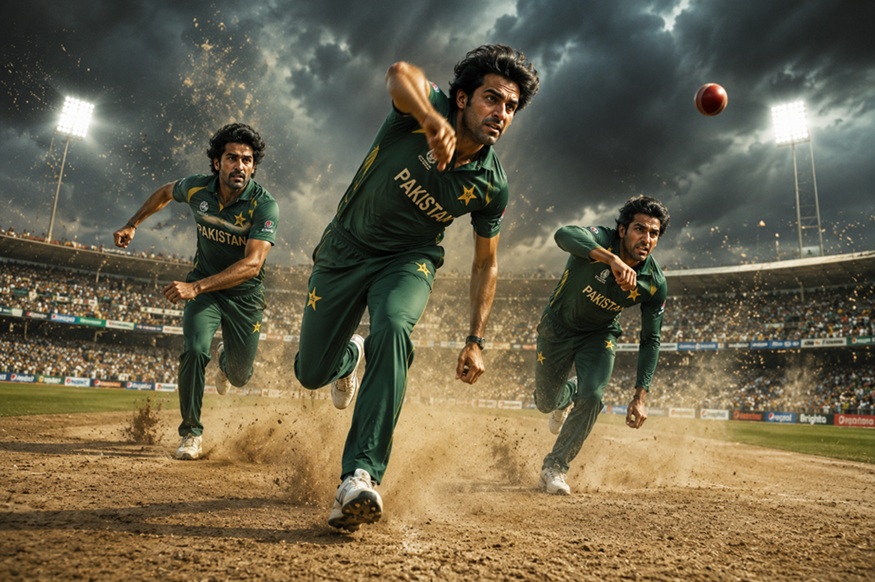
The introduction of Twenty20 cricket radically transformed international rivalries, and the face-off between Pakistan and New Zealand was no exception.
Shorter matches highlighted explosive batting, innovative bowling techniques, and athletic fielding skills. Both countries adapted swiftly to the new format, though they attained success with distinct strategies.
Pakistan leaned significantly on inherently talented stroke-makers and unpredictable fast bowlers who could change the game in just a few deliveries.
New Zealand prioritized careful strategy, adjustable batting line-ups, and data-driven tactics that often frustrated their adversaries.
Growth of the T20 Rivalry
Several factors contributed to making T20 matchups particularly thrilling:
- Frequent clashes in the ICC T20 World Cup.
- Intense powerplay batting.
- Enhanced bowling in the final overs.
- Outstanding standards in catching and fielding skills.
- Influence of tactical captaincy growing steadily.
These competitions drew international spectators due to the suspenseful outcomes that often lingered until the last over.
The 2010s: Kane Williamson vs Pakistan’s New Generation
The 2010s marked a notably balanced era in their rivalry. New Zealand solidified its position as one of the premier teams across all formats, while Pakistan continuously nurtured thrilling young talents capable of besting any rival.
Kane Williamson emerged as the emblem of New Zealand cricket, offering steady leadership and incredible reliability. Pakistan countered this with a skilled lineup that featured Babar Azam, Shaheen Shah Afridi, Mohammad Rizwan, and a number of rising fast bowlers.
Their differing leadership styles and strategic methods brought new excitement to each bilateral series and ICC tournaments.
Remarkable ICC Matches
The decade was filled with many memorable incidents:
- Intense World Cup group-stage battles.
- High-scoring ODI matchups.
- Fierce Test series.
- Thrilling T20 internationals.
- Upcoming young talents making significant contributions right away.
As the decade concluded, analysts largely viewed Pakistan and New Zealand as two of the most closely matched international teams, with neither nation holding extended control over matches.
The 2020s: A New Era of Contemporary Supremacy
The 2020s have injected new enthusiasm into the rivalry between New Zealand and Pakistan. Cricket made a return with a full international schedule, which included bilateral series, ICC events, and intense matches that challenged both nations in all formats.
As the new decade began, New Zealand had one of the most stable teams in the world. Their reliability, strategic insight, and depth enabled strong performances across various formats. Meanwhile, Pakistan kept producing thrilling fast bowlers and highly skilled batsmen who could shift the game’s outcome in just one session.
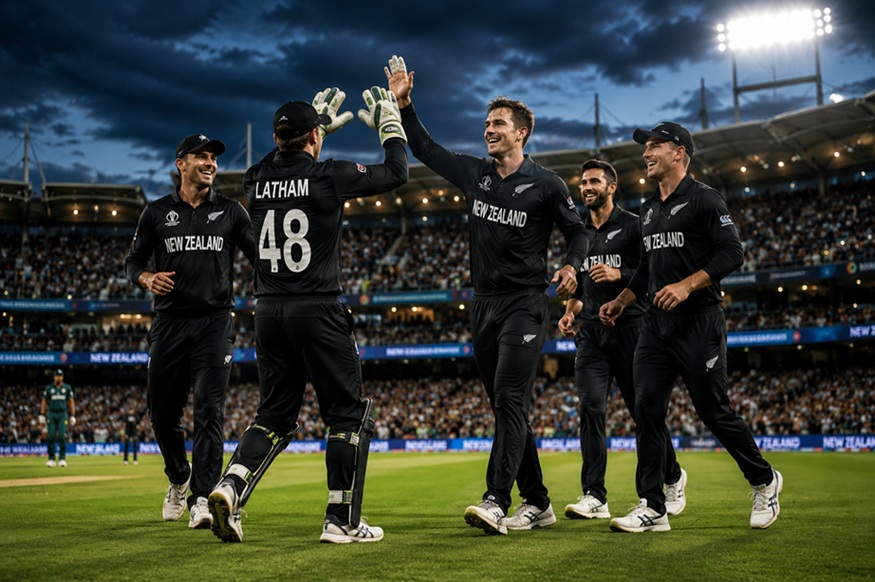
Throughout the decade, there were several standout matches. Pakistan achieved a stunning chase of over 400 runs to defeat New Zealand in the 2023 ODI World Cup, while New Zealand responded with commanding victories in the opening match of the 2025 Champions Trophy and later secured a 3-0 win in the ODI series held in New Zealand. The rivalry remained intensely competitive, with momentum frequently changing hands.
Recent Highlights
Among the most significant moments of the contemporary era are:
- Pakistan’s extraordinary chase in the 2023 ODI World Cup.
- New Zealand triumphing in the first match of the 2025 ICC Champions Trophy.
- New Zealand sweeping the 2025 ODI series 3–0.
- Exciting T20I series showcasing emerging talents from both countries.
- Ongoing contests in ICC tournaments that maintained the rivalry’s position as one of cricket’s most thrilling.
Legendary Players Who Shaped the Rivalry
Every notable rivalry is distinguished by remarkable athletes, and this competition has seen numerous legends who consistently excelled under pressure.
Icons of Pakistan
The achievements of Pakistan over the years have been influenced by players who motivated generations:
- Hanif Mohammad
- Javed Miandad
- Imran Khan
- Wasim Akram
- Waqar Younis
- Inzamam-ul-Haq
- Younis Khan
- Misbah-ul-Haq
- Babar Azam
- Shaheen Shah Afridi
These individuals made significant impacts, whether through match-saving innings or extraordinary bowling performances that shifted series results.
Legends of New Zealand
New Zealand’s impressive ascent has also been driven by outstanding players such as:
- Richard Hadlee
- Martin Crowe
- Stephen Fleming
- Brendon McCullum
- Ross Taylor
- Trent Boult
- Tim Southee
- Kane Williamson
- Devon Conway
- Mitchell Santner
These athletes contributed to establishing New Zealand as one of the most esteemed and reliable teams in international cricket.
Why This Rivalry Stays Significant
The NZ vs PAK rivalry is distinctive due to its foundation in differing cricketing philosophies.
Pakistan is typically recognized for their innate talent, dynamic fast bowling, and sudden bursts of brilliance. Conversely, New Zealand is celebrated for their discipline, cohesive teamwork, thorough preparation, and reliability.
This divergence results in encounters that are seldom predictable. A match can shift dramatically in just a few overs, keeping cricket enthusiasts engaged globally.
Unlike rivalries fueled by political issues, the contest between Pakistan and New Zealand is primarily characterized by mutual respect. Athletes from both nations commonly commend each other’s professionalism, which makes the rivalry competitive on the field while maintaining a sportsmanlike spirit off it.
How the Rivalry Has Changed Since 1955
Reflecting on over seventy years, various clear trends can be observed.
In its formative years, Pakistan asserted its superiority through formidable batting and aggressive fast bowling. Throughout the 1970s and 1980s, New Zealand gradually diminished the gap by delivering consistent and disciplined performances, spearheaded by exceptional bowlers.
The 1990s showcased memorable ODI confrontations, whereas the 2000s broadened the rivalry to neutral grounds and ICC events. The rise of T20 cricket introduced an additional thrilling aspect, characterized by high-scoring matches and gripping conclusions.
Currently, the rivalry stands at a more equitable point than it has ever been. Although Pakistan retains a historical edge in the total head-to-head statistics, New Zealand has persistently contested that lead through remarkable displays in recent times.
Conclusion
From their inaugural Test match in Karachi in 1955 to the fiercely battled contests of 2026, the timeline of the NZ vs PAK rivalry narrates the tale of cricket’s evolution itself. Various generations have contributed different champions, unforgettable encounters, and shifting dynamics, ensuring that the rivalry remains vibrant for over seventy years.
Whether it was Imran Khan motivating Pakistan, Richard Hadlee guiding New Zealand’s efforts, Kane Williamson exhibiting composed leadership, or Babar Azam showcasing his graceful batting, each era has contributed another remarkable chapter.
As international cricket continues to advance with emerging tournaments and new talents, this rivalry is sure to deliver many more unforgettable experiences. Fans can anticipate that future matches will retain the same competitiveness, unpredictability, and excitement as the extraordinary history that commenced more than seventy years ago. The timeline of the NZ vs PAK rivalry signifies more than just a record of victories and defeats—it honors two esteemed cricketing nations whose clashes have enhanced the sport and fascinated countless fans worldwide.