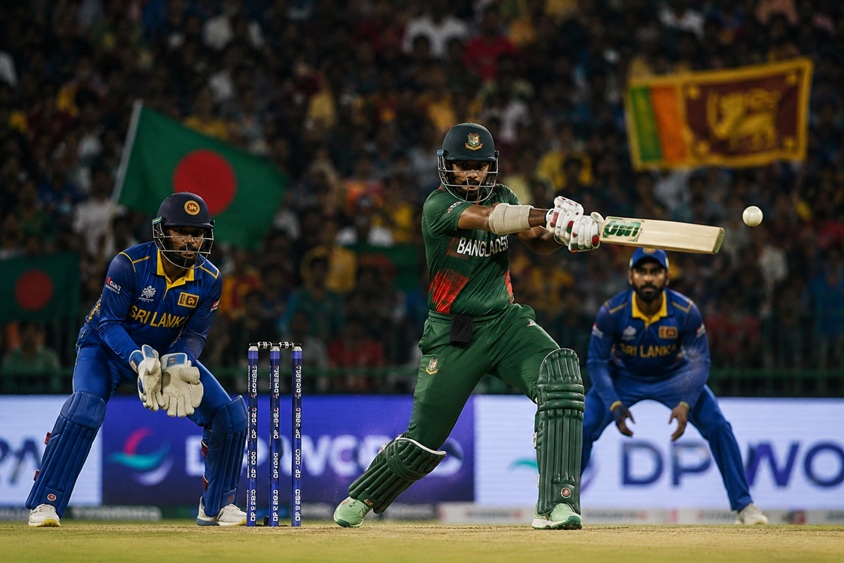


On September 3 at the Namibia Cricket Ground in Windhoek, Zimbabwe kept their chances of advancing to the final of the Namibia T20I Tri-Series 2026 alive with a steady five-wicket win over Namibia. The match showcased two distinct batting narratives: while Gerhard Erasmus delivered an outstanding undefeated performance for the home side, Innocent Kaia stepped up with a pivotal innings during Zimbabwe’s run chase.
For those interested in the Namibia Zimbabwe 5th Match Scorecard, the key statistics reveal much. Namibia scored 156 runs for the loss of six wickets in 20 overs after being invited to bat first. In reply, Zimbabwe achieved 157 runs for five wickets in just 18.1 overs, finishing the chase with 11 balls to spare.
This outcome was especially significant for Zimbabwe as they needed a solid showing to remain in the tournament. Their previous performances had included defeats against South Africa, and a close encounter with Namibia that had ended with just a five-run margin. This time, Zimbabwe handled the pressure much more effectively.

Namibia vs Zimbabwe 5th Match Outcome
Zimbabwe triumphed in the fifth match by five wickets, successfully chasing down Namibia’s target of 157 runs within 18.1 overs. This win marked Zimbabwe’s second victory in the tri-series and kept their hopes of qualifying for the finals alive.
Match Overview
- Match: Namibia vs Zimbabwe, 5th Match
- Series: Namibia T20I Tri-Series 2026
- Location: Namibia Cricket Ground, Windhoek
- Date: September 3, 2026
- Namibia: 156/6 in 20 overs
- Zimbabwe: 157/5 in 18.1 overs
- Outcome: Zimbabwe won by five wickets
- Top batsman for Namibia: Gerhard Erasmus – 88 off 48
- Top batsman for Zimbabwe: Innocent Kaia – 72
- Toss: Zimbabwe won the toss and opted to field
The victory also highlighted a notable contrast in performances from individual players. While Erasmus delivered what could be considered the standout innings for Namibia, the top order of Zimbabwe ensured that his efforts didn’t lead to a win for the hosts.
Namibia’s First Innings: 156/6
Namibia faced an early setback in their innings. The home team lost three wickets for just 25 runs, placing Zimbabwe firmly in a dominant position during the initial stages. Louren Steenkamp scored 14 runs off 12 balls, Jan Frylinck added eight runs from 14, and wicketkeeper Zane Green managed only a single run.
This challenging start threatened to result in a subpar total. However, captain Gerhard Erasmus stepped up and revitalized the innings.
Erasmus Sparks the Innings
The collaboration between Erasmus and Alexander Volschenk became the pivotal moment for Namibia’s innings. Together, they constructed a partnership of 83 runs for the fourth wicket, stabilizing the innings after an early collapse. Volschenk made a valuable contribution of 29 runs off 31 balls before getting dismissed in the 16th over.
Erasmus then took the initiative almost entirely by himself. He consistently found the boundary and sustained Namibia’s momentum during the closing overs.
His skill in staying not out was especially crucial as wickets kept tumbling around him. Ruben Trumpelmann contributed two runs, JJ Smit added three runs, and Jan Nicol Loftie-Eaton ended his innings not out on five from four balls. Ultimately, Namibia finished with a score of 156 for six.
Namibia Batting Scorecard
The scorecard from the fifth match between Namibia and Zimbabwe emphasizes how reliant Namibia was on their captain.
| Namibia Batter | R | B | 4s | 6s | SR |
|---|---|---|---|---|---|
| Louren Steenkamp | 14 | 12 | 2 | 0 | 116.67 |
| Jan Frylinck | 8 | 14 | 1 | 0 | 57.14 |
| Gerhard Erasmus | 88 | 48 | 8 | 3 | 183.33 |
| Zane Green | 1 | 4 | 0 | 0 | 25.00 |
| Alexander Volschenk | 29 | 31 | 2 | 1 | 93.55 |
| Ruben Trumpelmann | 2 | 3 | 0 | 0 | 66.67 |
| JJ Smit | 3 | 4 | 0 | 0 | 75.00 |
| Jan Nicol Loftie-Eaton | 5 | 4 | 0 | 0 | 125.00 |
| Extras | 6 | ||||
| Total | 156/6 | 20 ov |
Erasmus was clearly the linchpin of the innings. Had he not scored his unbeaten 88, Namibia’s final total would have been much lower.

Zimbabwe Bowling Performance
Despite Erasmus’ aggressive batting, Zimbabwe’s bowlers managed to keep the chasing score within reach.
Brad Evans and Kundai Matigimu were the top wicket-takers, each claiming two wickets. Evans completed his spell with figures of 2 for 29 from four overs, while Matigimu ended with 2 for 31. Sikandar Raza and Blessing Muzarabani each took one wicket.
Zimbabwe Bowling Figures
| Bowler | O | M | R | W | Economy |
|---|---|---|---|---|---|
| Wessly Madhevere | 1 | 0 | 6 | 0 | 6.00 |
| Blessing Muzarabani | 4 | 0 | 34 | 1 | 8.50 |
| Sikandar Raza | 4 | 0 | 27 | 1 | 6.75 |
| Brad Evans | 4 | 0 | 29 | 2 | 7.25 |
| Kundai Matigimu | 4 | 0 | 31 | 2 | 7.75 |
| Wellington Masakadza | 2 | 0 | 18 | 0 | 9.00 |
| Ryan Burl | 1 | 0 | 10 | 0 | 10.00 |
The bowling team’s primary achievement was limiting the middle-order batting of Namibia from capitalizing on Erasmus’ innings. While the captain showcased a formidable strike rate, Zimbabwe contained the batting lineup effectively, ensuring the target remained attainable.
Zimbabwe Chase: 157/5 in 18.1 Overs
Zimbabwe’s response got off to a rough start as Ben Curran was out for five runs. Nonetheless, the team did not let this early wicket affect their run chase.
Brian Bennett entered the field to support Innocent Kaia, and together they quickly shifted the dynamics of the innings. Their partnership for the second wicket generated 61 runs in just 4.4 overs, creating a solid foundation for Zimbabwe.
Bennett eventually left the game after scoring 22 runs off 17 balls, but by that time, Zimbabwe had already taken command of the required run rate.
Innocent Kaia Takes Control
Kaia’s innings of 72 runs was characterized by powerful boundary hitting and a superb pace throughout. He hit eight fours and three sixes, giving Zimbabwe the solid performance necessary to remain ahead of the target.
The primary contrast between the two squads was how effectively their top-order batsmen capitalized on their chances. Namibia suffered losses in wickets while attempting to settle in, while Zimbabwe’s middle order successfully transformed a solid start into a winning effort.
Sikandar Raza also had a crucial role, adding 29 runs to the total. His seasoned play allowed Zimbabwe to maintain their grip after Kaia left the field, ensuring that the chase remained straightforward.
Zimbabwe ultimately achieved victory, finishing at 157/5 in 18.1 overs.
Key Moments That Decided the Match
The scorecard for the Namibia-Zimbabwe fifth match may seem simple, yet several key events influenced the outcome.
Initially, Namibia Faced a Rapid Downturn
Initially, Namibia faced a rapid downturn. Losing three wickets for just 25 runs necessitated that Erasmus focus on rebuilding rather than launching an immediate offensive.
Erasmus and Volschenk Partnership
The second key event was the partnership between Erasmus and Volschenk. Their combined score of 83 runs brought Namibia back into the game and helped them set a respectable score.
Zimbabwe’s Response
The third and most pivotal moment was Zimbabwe’s response. During the powerplay, Kaia and Bennett targeted the opposition, exploiting Namibia’s desperate need for wickets.
Raza’s Contribution
Lastly, Raza’s contribution of 29 runs ensured that the visitors maintained their momentum even after Kaia’s exit. Zimbabwe’s chase continued ahead of the necessary run rate and concluded with plenty of balls remaining.

Why Erasmus’ 88 Was Not Enough
An unbeaten score of 88 in a T20 international typically positions a team strongly, but cricket often hinges on the support surrounding a key player.
Erasmus accounted for over half of Namibia’s runs. This statistic showcases his talent alongside Namibia’s vulnerability. Although the captain produced a competitive total, the loss of early wickets resulted in a lack of backing from other players.
The final score of 156/6 for Namibia was competitive but not formidable. Consequently, Zimbabwe’s batsmen pursued the target with sufficient confidence to avoid a stressful finish in the last over.
This served as a reminder that an outstanding individual performance cannot always make up for a sluggish start or a weak top order.
Zimbabwe Keep Final Hopes Alive
The win was significant beyond just the five-wicket difference. Zimbabwe approached the game with their hopes for qualification under pressure after a loss to South Africa. With this victory, they improved to two wins from four matches and remained in contention for the tri-series final.
As for Namibia, they needed a favorable outcome against South Africa in their upcoming match to assess their standing in the tournament. Their campaign included a win over South Africa and a narrow five-run loss to Zimbabwe, adding to the competitive nature of the final stages.
Thus, the fifth match held importance for both the overall tournament standings and the individual performances showcased.
Conclusion
The most recent scorecard from the 5th Match between Namibia and Zimbabwe illustrates a contest where an impressive innings was ultimately eclipsed by a more powerful team effort in the chase. Gerhard Erasmus’ not out score of 88 marked the highlight for Namibia, whereas Innocent Kaia’s 72 laid the essential groundwork for Zimbabwe to pursue a target of 157 runs.
Namibia staged a remarkable comeback after finding themselves at a precarious 25/3, yet their total of 156/6 turned out to be insufficient. The Zimbabwean batsmen kept up the necessary pace and concluded with a score of 157/5 in just 18.1 overs, achieving a five-wicket victory.
This outcome served as a significant boost for Zimbabwe’s campaign. In contrast, for Namibia, it highlighted the importance of securing more consistent performances from their top-order players before their next vital match. Erasmus showcased that Namibia has the batting talent to rival opponents, but Zimbabwe illustrated how a well-managed chase can yield success when the top batsmen perform at the critical moments.