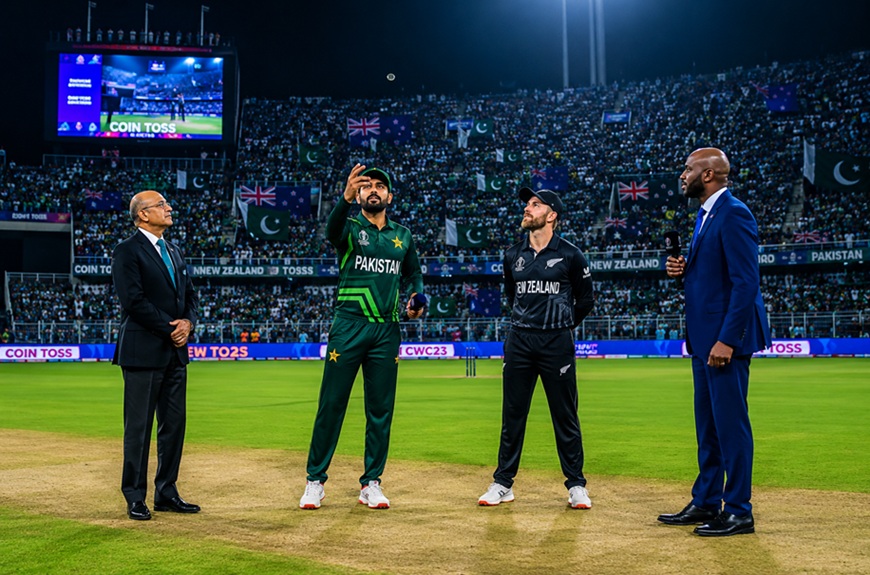

Cricket has seen many memorable rivalries, but few have developed as steadily as the confrontations between New Zealand and Pakistan. While the Australia versus England or India versus Pakistan matchups tend to garner significant attention, the encounters between the Black Caps and the Men in Green have quietly resulted in some of the sport’s most notable games. Their competition spans across Test matches, One Day Internationals, T20 Internationals, ICC events, and bilateral series, providing exciting finishes and remarkable individual achievements.
The timeline of New Zealand versus Pakistan illustrates over seventy years of competitive cricket. From Pakistan’s initial supremacy in the 1950s to New Zealand’s emergence as one of the most disciplined teams globally in recent times, each decade has contributed to an enthralling narrative. Iconic players, dramatic World Cup battles, and noteworthy comebacks have established this rivalry as one of the most respected in international cricket.
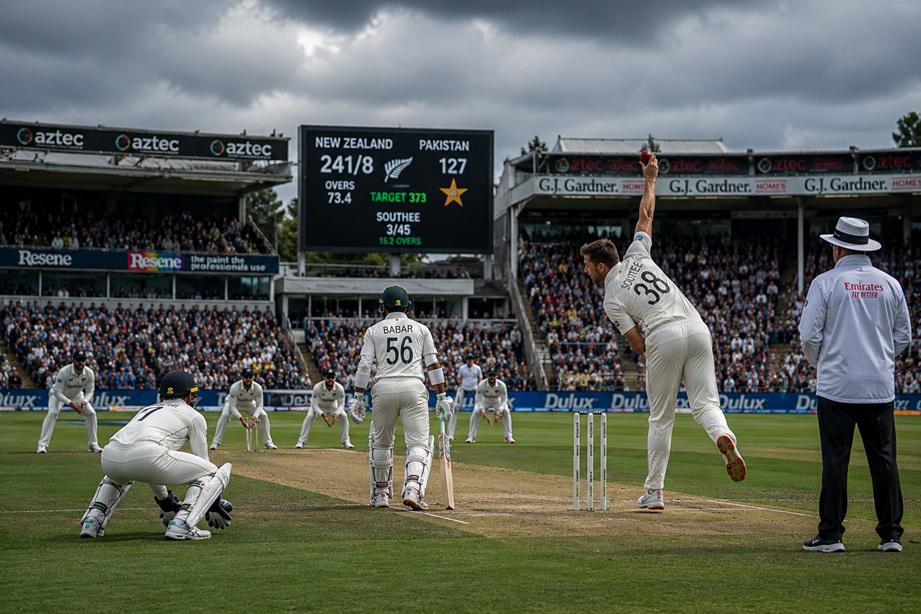
The Start of a Lasting Cricket Rivalry
This saga began shortly after Pakistan was recognized as a Test-playing country. New Zealand’s tour of Pakistan in the early years of international cricket fostered a competitive relationship grounded in mutual respect rather than animosity. Different from many intense rivalries, the matches between these nations have always been characterized by sportsmanship while remaining fiercely contested.
Pakistan quickly made a name for itself with a formidable pace attack and technically skilled batters, while New Zealand focused on patience, discipline, and consistency. These differing styles of play became defining traits of their encounters.
In the initial two decades, most matches were held in the longest format, allowing both teams to cultivate a strong competitive bond that gradually extended into limited-overs formats.
Early Timeline: 1955–1979
The initial official Test series between the two teams occurred in the mid-1950s, signaling the start of an enduring international rivalry. Pakistan adapted swiftly to the realms of international cricket and frequently found success on home soil, where spin bowling and reverse swing posed significant challenges for visiting teams.
Some pivotal moments from this period included:
- Pakistan achieving several significant Test victories at home.
- New Zealand slowly becoming more competitive during away tours.
- Both sides forming skilled bowling line-ups capable of altering outcomes in a single session.
- Increasing enthusiasm for bilateral series during the 1960s and 1970s.
The emergence of limited-overs cricket in the 1970s added a new layer to the rivalry. Quicker scoring, strategic captaincy, and aggressive field setups changed how each team approached their international matches.
The Growth of Limited-Overs Cricket
One Day Internationals transformed the landscape of international competition permanently. Pakistan adopted an assertive style of batting and versatile all-rounders, while New Zealand became recognized for its creative strategies and disciplined bowling performances.
The timeline of New Zealand versus Pakistan entered a new era with the increasing frequency of ODI series. Each matchup provided chances for new talents to shine on the international stage.
Several elements reinforced the rivalry during this time:
- The expansion of ICC tournaments.
- Regularly scheduled bilateral ODI series.
- Enhanced television broadcasts that reached global audiences.
- Intensifying competition for higher ICC rankings.
By the end of the 1970s, fans from both nations eagerly looked forward to each match, understanding that their differing styles frequently led to unexpected outcomes.
The 1980s: A Time of Iconic Athletes
During the 1980s, both sides showcased some of the finest players in cricket history. Pakistan created one of the most formidable bowling line-ups in the sport, whereas New Zealand built its achievements on steadfast fast bowling, reliable batting, and outstanding collaboration among players.
This period featured many hard-fought Test and ODI matches, with many contests decided in the last sessions or final overs. Games often exhibited drastic changes in momentum, solidifying the status of this rivalry as one where outcomes were never certain.
Pakistan’s knack for producing standout individual contributions often provided them with an advantage, while New Zealand persistently posed challenges to stronger rivals through strategic preparations and determination.
Additionally, the rivalry received heightened global recognition as both teams became frequent contenders in ICC tournaments, where victories held even more importance.
The 1990s: World Cup Excitement and a New Chapter
The 1990s altered the rivalry, turning it into a spectacle that consistently drew worldwide interest. As the decade began, both nations possessed impressive rosters and genuine aspirations of clinching the ICC trophies. The appeal of limited-overs cricket soared, with every encounter between these teams gaining significant relevance.
A key moment in the New Zealand vs Pakistan Timeline occurred during the 1992 ICC Cricket World Cup. Co-hosted by Australia and New Zealand, this event marked the debut of colorful uniforms, white cricket balls, and day-night games, giving an updated look to international cricket.
Under the leadership of innovative captain Martin Crowe, New Zealand excelled in the league phase, securing victory after victory through daring strategies. In contrast, Imran Khan’s Pakistan orchestrated a remarkable comeback in World Cup history. Their notable semi-final success against New Zealand in Auckland stands out as one of the tournament’s most significant highlights. Pakistan eventually triumphed over England in the final, securing their inaugural Cricket World Cup title.
This unforgettable match illustrated the swift changes in fortune that could transpire when these two sides faced off on the grandest platform.
Memorable ICC Tournament Confrontations
ICC events have continuously provided some of the most memorable moments in this rivalry’s history. Unlike regular series, elimination matches amplify the stakes, making every run and wicket substantially more crucial.
1992 Cricket World Cup Semi-final
Pakistan entered this contest as the underdogs, having faced a variable tournament, while New Zealand appeared near invincible. In pursuit of a daunting target, Pakistan executed an impressive comeback, led by a stellar partnership between Inzamam-ul-Haq and Javed Miandad before ultimately claiming a historic win.
This outcome remains one of Pakistan’s most significant accomplishments in ODI cricket.
1999 Cricket World Cup
Once more, both countries ranked among the top teams in the tournament. Pakistan advanced to another World Cup final, while New Zealand affirmed its position as a reliable tournament contender capable of taking on any rival.
ICC Champions Trophy and Other Global Competitions
In subsequent years, New Zealand and Pakistan often met in ICC Champions Trophy fixtures, ICC Knockout events, and multi-national tournaments. Many of these encounters were decided by slim margins, demonstrating how evenly the teams matched up.
Ongoing Test Cricket Rivalry
Despite the immense popularity of T20 cricket, Test matches between these two countries remain particularly significant. Their matchups have frequently highlighted qualities like patience, tactical strategy, and exceptional bowling.
Typically, Pakistan found success on home turf where spin and reverse swing played pivotal roles. Conversely, New Zealand proved to be exceptionally challenging to defeat on their quick, bouncy pitches.
Several unforgettable Test series showcased:
- Incredible double centuries from elite batsmen.
- Pace bowlers delivering devastating spells with the new ball.
- Spin bowlers thriving on subcontinental surfaces.
- Hard-fought stalemates following five days of intense competition.
In contrast to many rivalries focused on batting, matches between New Zealand and Pakistan have regularly featured bowling displays that define entire series.
The Emergence of Twenty20 Cricket
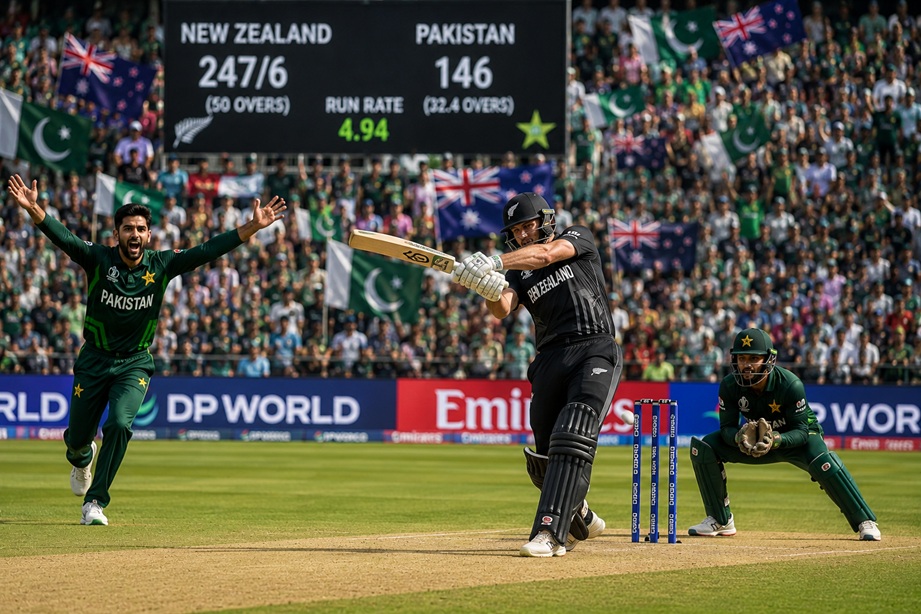
The introduction of international T20 cricket created yet another thrilling chapter. This shortest format rewarded aggressive batting, inventive bowler variations, and dynamic fielding.
Pakistan swiftly became one of the leading T20 countries, claiming the ICC World Twenty20 title in 2009. Their bowling lineup, especially in the concluding overs, gained a reputation as one of the most formidable in international cricket.
New Zealand showed remarkable adaptability by creating aggressive opening batsmen, flexible all-round players, and disciplined fast bowlers who could thrive in various conditions.
Games between these two teams became renowned for:
- Dynamic powerplay batting.
- Narrow finishes decided in the last over.
- Exceptional catches and athletic performances in the field.
- Strategic captaincy and creative bowling alterations.
These matchups consistently entertained fans, no matter the location or the tournament involved.
Legendary Players Who Defined the Rivalry
Every enduring cricket rivalry is characterized by its most celebrated players, and this one has showcased numerous iconic figures from various eras.
Pakistan Legends
The achievements of Pakistan have been influenced by extraordinary cricketers who regularly produced match-winning displays against New Zealand.
Among these key figures are:
- Imran Khan, whose leadership turned Pakistan into champions.
- Wasim Akram, esteemed as one of the greatest fast bowlers in cricket.
- Waqar Younis, renowned for his effective reverse swing.
- Inzamam-ul-Haq, whose steady batting influenced many crucial games.
- Saeed Anwar, recognized for graceful batting at the top of the order.
- Younis Khan and Misbah-ul-Haq, who provided stability in more recent times.
- Babar Azam, whose reliability has established him as one of Pakistan’s top batsmen across all formats.
New Zealand Icons
New Zealand has also developed remarkable players who have enhanced the rivalry through their talent and tenacity.
Some of the key figures include:
- Richard Hadlee, regarded as one of the finest fast bowlers in cricket history.
- Martin Crowe, whose innovative captaincy transformed ODI strategies.
- Stephen Fleming, respected for his composed leadership and tactical insight.
- Daniel Vettori, whose left-arm spin proved challenging for Pakistan for many years.
- Brendon McCullum, who reshaped the approach to aggressive batting.
- Kane Williamson, recognized for his elegant batting and steady captaincy.
- Trent Boult and Tim Southee, whose fast bowling partnership has produced numerous breakthroughs.
Their individual contests have frequently influenced the results of tightly contested series.
Head-to-Head Across Formats
As international cricket grew, New Zealand and Pakistan began to meet more frequently across Test matches, ODIs, and T20Is. While Pakistan experienced extended phases of dominance in the early years, New Zealand gradually reduced the gap through enhanced consistency and stronger performances on home soil.
The dynamics of power have shifted multiple times throughout the years. Pakistan has often thrived on slower surfaces where spin and reverse swing play vital roles, while New Zealand has traditionally excelled by maintaining high standards in seam bowling and fielding on livelier pitches.
This competitive equilibrium is a key factor in why the rivalry continues to draw cricket enthusiasts worldwide. Neither team can be written off as a certain victor, regardless of recent performance or the playing ground.
The Contemporary Era: 2015 to Present
The past ten years have introduced a new level of competition to this long-standing rivalry. Both teams have routinely ranked as top contenders in global cricket, providing thrilling matches across all formats. Modern coaching techniques, sophisticated data analysis, and enhanced fitness levels have improved the standard of play, attracting attention from fans worldwide for every series.
A significant chapter in the New Zealand vs Pakistan saga unfolded during the ICC Cricket World Cup 2019. Throughout the tournament, both teams remained in the race for a semi-final spot, and their encounter in the group stage was of great importance. New Zealand displayed composure under pressure, achieving a crucial victory that bolstered its chance to advance to the knockout rounds.
A further noteworthy occasion emerged in the ICC Men’s T20 World Cup 2021, where Pakistan delivered an exceptional all-around performance, triumphing over New Zealand in the Super 12 phase. Effective bowling and steady batting showcased Pakistan’s capability to excel in high-stress ICC matches.
In more recent times, various bilateral series held in Pakistan, New Zealand, and neutral sites have highlighted the increasing depth within both teams. New talents have emerged alongside veteran players, ensuring that every match remains thrilling and uncertain until the last delivery.
Notable Bilateral Series
Apart from ICC competitions, bilateral matchups have significantly influenced this rivalry’s development. Home ground advantage has often shaped outcomes, yet both sides have shown the capacity to perform well away from their own venues.
Several series are particularly memorable for their intensity:
- Pakistan’s impressive home Test victories in the early years.
- Tightly contested ODI series throughout the 1990s and early 2000s.
- High-scoring T20I matches characterized by thrilling finishes in the last over.
- Intense Test games in New Zealand, where swing bowling played a crucial role.
- Evenly matched white-ball series that commonly reached a final game decider.
These encounters have deepened the competitive relationship between the two countries and provided fans with many unforgettable experiences.
Records That Characterize the Rivalry
Across more than seventy years of international cricket, both teams have achieved remarkable milestones in every format.
Some of the key records that define this rivalry include:
- Since the mid-1950s, Pakistan and New Zealand have met in numerous Test matches.
- Their ODI rivalry began in the 1970s and has culminated in over one hundred matches.
- T20 Internationals have grown increasingly competitive since the format debuted in 2005.
- Both nations have celebrated significant victories in ICC World Cups and other prestigious tournaments.
- A number of contests have been determined by narrow margins, underscoring the evenly matched nature of their rivalry.
As statistics continue to change with each series, the overall narrative reflects how consistently these teams have been competitive across different eras.
Why This Rivalry Remains Engaging for Fans
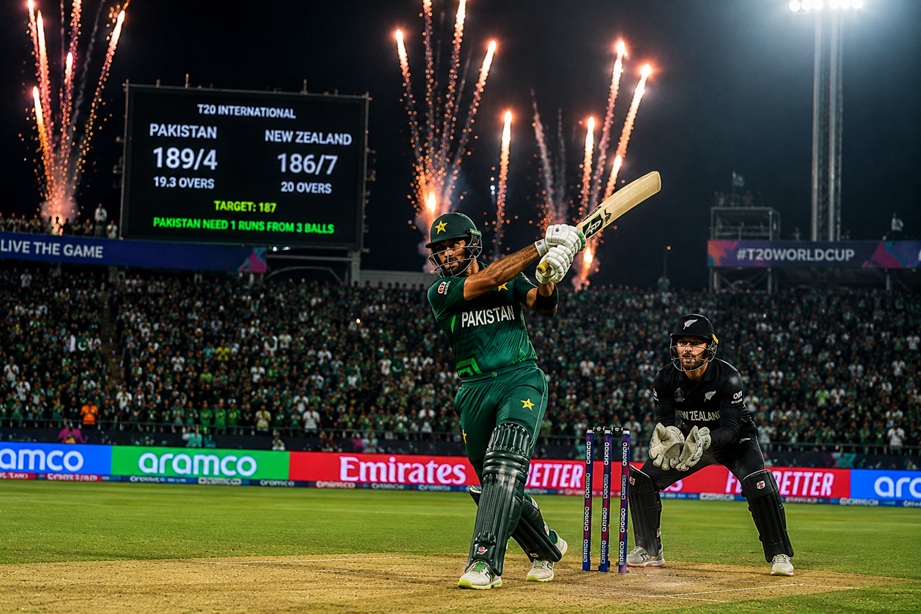
The New Zealand vs Pakistan rivalry extends beyond just wins and losses. It embodies two cricketing traditions that approach the sport in unique ways, yet maintain a profound respect for one another.
Pakistan is frequently praised for producing inherently talented batsmen, fast bowlers who excel at reverse swing, and athletes capable of altering the outcome of a game within a single session. On the other hand, New Zealand has gained respect for its disciplined style of play, exceptional collaboration, and a composed, methodical method when faced with pressure.
This difference in styles leads to captivating matches as momentum can change swiftly. A strong batting performance can be disrupted by a spectacular bowling showcase or a remarkable fielding effort. Viewers enjoy the fact that every game brings real unpredictability, irrespective of standings or prior outcomes.
Another factor contributing to the rivalry’s popularity is the emergence of new stars in every sports generation. As iconic figures step away from the game, up-and-coming players perpetuate the competitive spirit, guaranteeing its legacy remains vibrant for future cricket fans.
The Future of the Rivalry
As we look to the future, this rivalry is set to continue being one of the most thrilling spectacles in international cricket. The Future Tours Programme guarantees that there will be continuous bilateral series and regular encounters in ICC tournaments.
With franchise cricket providing players with invaluable global experience, upcoming matchups are anticipated to showcase even greater levels of talent, athleticism, and strategic insight.
Several elements will influence the next phase:
- The rise of young, talented athletes from both countries.
- A stronger focus on analytics-based tactics.
- The ongoing significance of ICC tournaments.
- The growing allure of T20 cricket along with the traditional value of Test matches.
- A broader international audience engaging with each series through digital channels.
As cricket evolves, this rivalry is expected to generate countless more unforgettable moments that will enhance its already extensive history.
Conclusion
The timeline of New Zealand vs Pakistan chronicles one of cricket’s most enduring and esteemed international rivalries. From their initial Test encounters in the 1950s to exhilarating battles in contemporary ICC tournaments, both teams have consistently showcased perseverance, skill, and sportsmanship.
Generations of famed players have created lasting impressions, while unforgettable World Cup games and closely fought bilateral series have bolstered the competitive connection between these two nations. Whether in Test matches, One Day Internationals, or T20 formats, each meeting has added another significant chapter to this extraordinary cricket narrative.
As new athletes make their mark and global cricket continues to advance, fans can look forward to an even more detailed New Zealand vs Pakistan timeline. With every upcoming match, yet another chapter will be entered into a rivalry steeped in excellence, resolve, and a lasting love for the sport.